








What is the e200X?
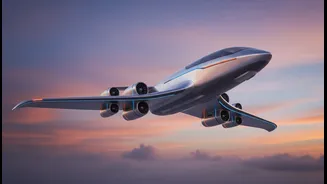
The e200X is an electric vertical take-off and landing (eVTOL) aircraft developed by The ePlane Company, a deep-tech aerospace startup incubated at IIT Madras. Unlike a traditional plane, an eVTOL can take off and land vertically like a helicopter and then
fly forward like a conventional aircraft. The recently unveiled full-scale prototype, designated PT-01, is a 2.2-tonne aircraft built with a lightweight carbon-fibre frame. It’s designed to be compact, with an 8 by 11-metre footprint, allowing it to operate from existing helipads or even rooftops without requiring new, dedicated infrastructure. The e200X is designed to carry a pilot plus a payload of 200 kg, which can accommodate two passengers or cargo.
A New Vision for Short-Range Travel
The e200X is not designed to replace long-haul jets. Instead, its focus is squarely on short-distance mobility. With a planned operational range of about 110 km on a single charge, it's positioned as a solution for urban and regional travel. The initial applications will be focused on roles where speed is critical, such as air ambulance services, followed by airport shuttles. The company's founder notes that an aircraft requiring a city to rebuild its infrastructure is a 'failure of engineering', which is why the e200X is designed to fit within the spaces we already have. The first commercial operations, starting with medical services, are anticipated around 2028, after ground testing begins next year and certified flight tests start in mid-2027.
The Electric Advantage
The switch from jet fuel to electricity promises several key benefits. Electric aircraft are significantly quieter than their traditional counterparts, reducing noise pollution in populated areas. They also produce zero direct emissions, offering a cleaner alternative for air travel. This aligns with India's broader push towards sustainability, which has already seen 73 airports transition to 100% green energy usage. Mechanically, electric motors are simpler than complex turbine engines, which could lead to lower operating and maintenance costs in the long run. This economic advantage is crucial for making short-haul flights viable, potentially opening up new routes that are currently not served by larger airlines.
Hurdles on the Horizon
While the unveiling of the e200X is a major milestone, the path from a demonstrator to commercial service is filled with challenges. Battery technology is a primary constraint; unlike conventional planes that get lighter as they burn fuel, an electric aircraft's battery weight remains constant throughout the flight. This currently limits their range and payload capacity. Furthermore, India's aviation infrastructure will need significant upgrades. This includes installing high-powered charging stations at airports and helipads, a complex and costly undertaking. Finally, getting the aircraft certified by regulators like the Directorate General of Civil Aviation (DGCA) is a rigorous and lengthy process. The ePlane Company received Design Organisation Approval in 2023, a critical first step, but the journey to full type certification for a new class of aircraft is just beginning.