
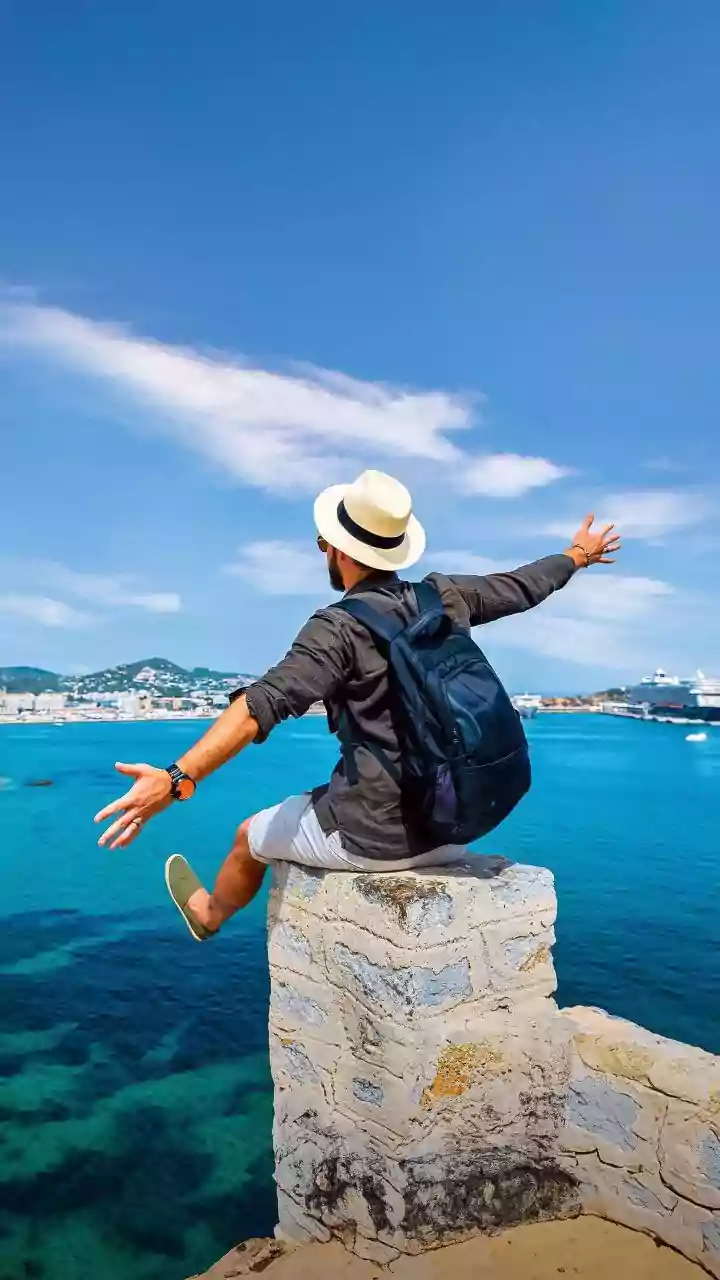
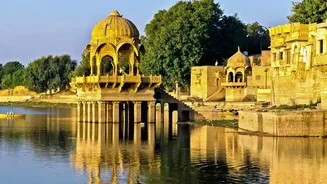
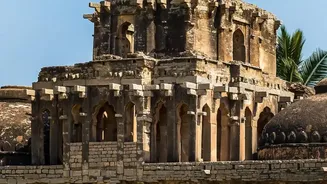
From Revenge Travel to Mindful Journeys
Remember the post-pandemic travel frenzy? Dubbed 'revenge travel', it was a mad dash to make up for lost time, with travellers flocking to popular destinations. But as the dust settles, a more considered approach is emerging. The burnout from ticking
off a long list of sights has led many to question the very purpose of a holiday. Instead of returning more exhausted than when they left, travellers are now seeking rest, rejuvenation, and real experiences. The focus has shifted from seeing as much as possible to feeling something real. This marks a significant turn from traditional sightseeing towards more immersive and experience-driven journeys.
What is Slow Travel, Really?
Slow travel isn't about moving at a snail's pace. It's a mindset. It means choosing to connect with one place rather than skimming the surface of many. This could mean renting a homestay for a week instead of hopping between hotels, learning a local craft like pottery, taking a cooking class, or simply spending an afternoon at a local café watching the world go by. The goal is to participate in the life of a destination, not just observe it from a tour bus window. It encourages a more relaxed and mindful approach, allowing you to absorb the essence of a place at your own pace and discover hidden gems off the beaten path.
The Driving Forces Behind the Shift
Several factors are fuelling this trend. For one, digital fatigue in our hyper-connected world has people craving authentic, unfiltered experiences. There's a growing desire for genuine connection, both with other cultures and with oneself. The rise of remote work has also played a crucial role, giving birth to 'workations' and 'staycations'. People can now work from a mountain cabin or a beachside villa for extended periods, blurring the lines between work and leisure. Younger travellers, in particular, are driving this change, seeking out personalised, culturally rich, and sustainable travel options. This demographic, aged 18-35, is increasingly prioritising unique experiences over material possessions.
The Economic and Personal Benefits
While it might seem like a luxury, slow travel can be surprisingly economical. By staying in one place longer, travellers can often negotiate better rates on accommodation and reduce transportation costs. More importantly, this mode of travel ensures that tourist spending benefits the local community more directly, supporting small businesses and artisans over large corporate chains. Beyond the financial aspect, the personal rewards are immense. Slow travel is a form of self-care. It allows for personal growth, reduces stress, and fosters a deeper understanding and empathy for different cultures. You return not just with photographs, but with stories, skills, and a renewed perspective.