





Our Crowded Skies
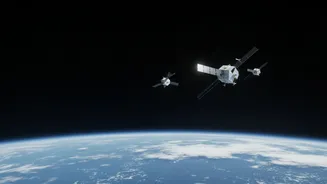
Imagine the skies above Earth as a vast, invisible network of roads. For decades, it was a sparsely travelled expanse. Today, it’s a bustling metropolis with tens of thousands of objects, from active satellites to defunct hardware and tiny fragments of debris.
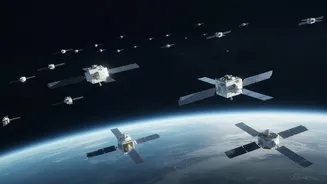
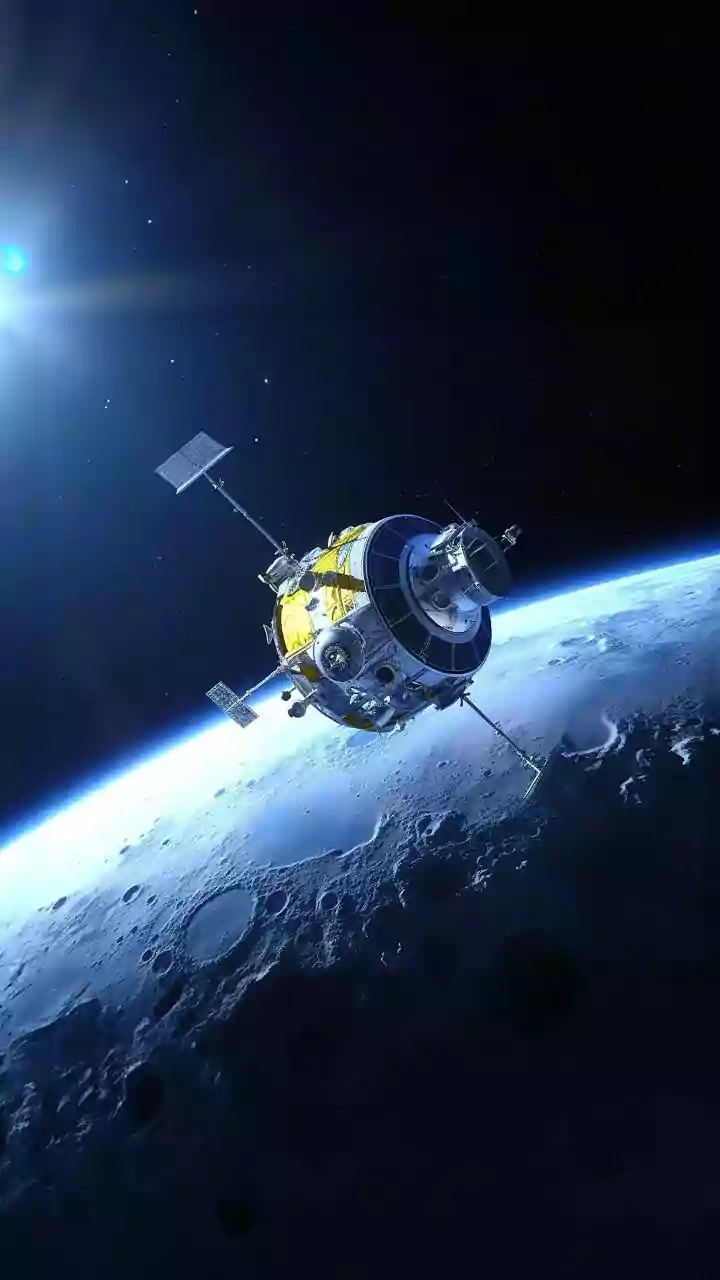
This orbital congestion was a central theme at the recent SMOPS-2026 conference hosted by ISRO in Bengaluru. The core problem is that every new satellite launched, whether for communications, navigation, or scientific research, adds to the traffic. With the rise of mega-constellations—vast networks of small satellites—the number of objects in low-Earth orbit (LEO) is growing exponentially. This creates a significant and escalating risk of collisions, which could damage or destroy vital satellites worth crores.
What is Space Traffic Management?
Space Traffic Management (STM) is essentially the space-age equivalent of air traffic control. It is the process of tracking objects in orbit, predicting their paths to anticipate potential collisions, and coordinating manoeuvres to avoid them. This falls under the broader umbrella of Space Situational Awareness (SSA), which is the comprehensive knowledge of our space environment. Think of it as having a complete, real-time map of everything orbiting Earth, from active satellites to spent rocket stages and debris the size of a paint fleck. A collision involving even a small piece of debris can be catastrophic, as these objects travel at speeds of around 27,000 kmph. An effective STM system is crucial to ensure the safety and sustainability of all space operations.
India's High Stakes in Orbit
For India, this isn't a distant problem. ISRO currently operates over 50 satellites that are critical to the nation's infrastructure, powering everything from communication and television broadcasting to weather forecasting, financial services, and military surveillance. The safety of these assets is a matter of national importance. Any damage to them could have a cascading impact on the ground. Furthermore, with ambitious future projects like the Gaganyaan human spaceflight mission and new satellite constellations planned, India's stake in a safe orbital environment is only increasing. Protecting these valuable assets from the growing threat of collision is a key priority.
ISRO's Proactive Shield: IS4OM and NETRA
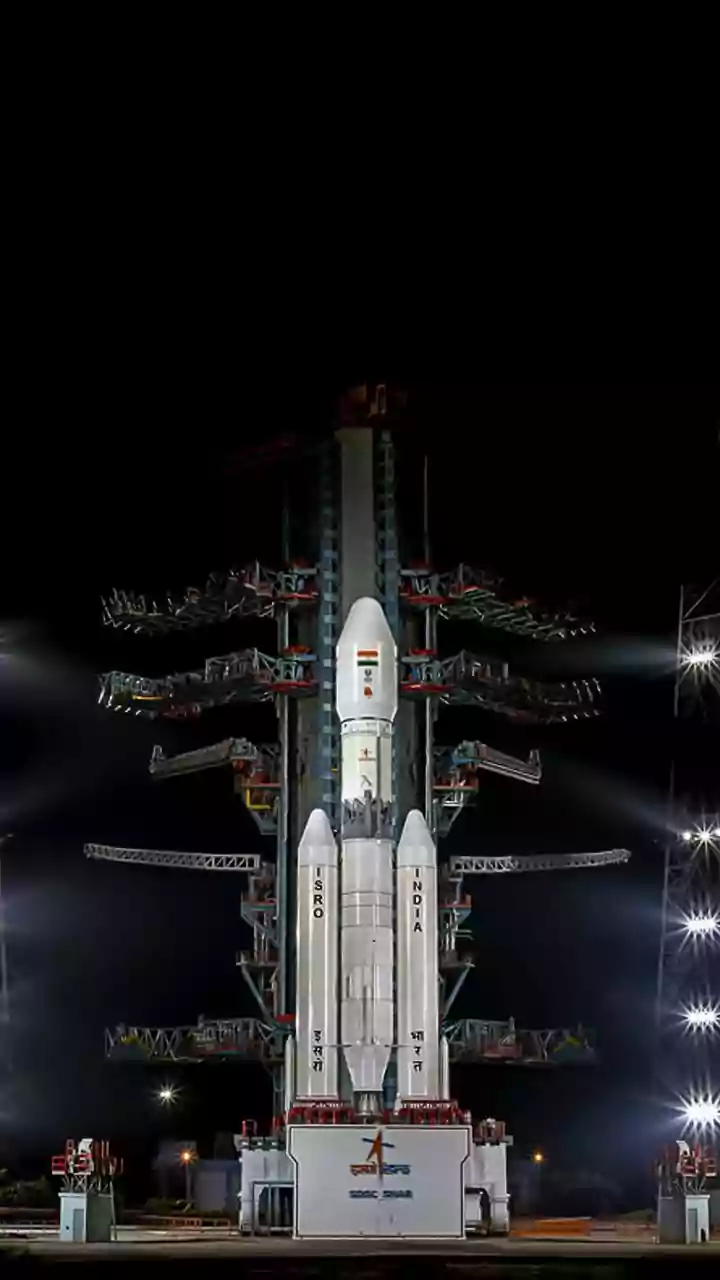
ISRO isn't just waiting for a crisis. The space agency has been proactively developing its own capabilities. In 2022, it established the ISRO System for Safe & Sustainable Space Operations Management (IS4OM) in Bengaluru. This dedicated facility is the nerve centre for monitoring space traffic and protecting India's assets. A key component of IS4OM is Project NETRA (Network for Space Object Tracking and Analysis), an initiative to build a network of radars and optical telescopes to independently track objects in orbit. For years, India, like many nations, relied on data from the United States. NETRA gives ISRO a sovereign capability to monitor its satellites, predict collision threats, and plan avoidance manoeuvres, significantly boosting our self-reliance in space.
The Path to a Global Solution
While national capabilities like NETRA are essential, space traffic is a global problem that requires a global solution. There are currently no internationally binding laws for space traffic management, only guidelines. ISRO is an active participant in international bodies like the UN Committee on the Peaceful Uses of Outer Space (UN-COPOUS) and the Inter-Agency Space Debris Coordination Committee (IADC), helping to shape recommendations for the sustainable use of space. ISRO has also announced a 'Debris Free Space Mission' initiative, aiming for all Indian space activities to be debris-free by 2030. This positions India not just as a major space-faring nation, but as a responsible leader advocating for the long-term health of the orbital environment for all.