




The Video Sparking a National Debate
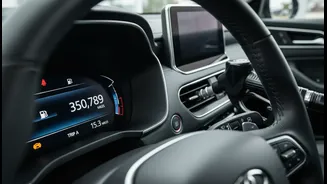
Recently, a video by popular YouTuber Sourav Joshi went viral, showing the fuel efficiency of his luxury SUV dropping dramatically from a claimed 17 km/l to as low as 5 km/l. He blamed the newly mandated E20 fuel—a blend of 20% ethanol and 80% petrol.
While the manufacturer, Mercedes-Benz, clarified that its modern vehicles are fully E20-compatible, the video resonated with thousands of vehicle owners who have been sharing similar stories online and at service centers. This incident is more than just a social media trend; it’s a symptom of a growing trust deficit between drivers, fuel providers, and policymakers as India undergoes a massive fuel transition.
What is E20 Fuel and Why is it Mandatory?
E20 petrol is a fuel blend containing 20% ethanol, an alcohol-based biofuel typically produced from sugarcane or maize. The Indian government has aggressively promoted its adoption to achieve several key objectives: reducing the country's heavy reliance on imported crude oil, lowering carbon emissions, and providing economic support to farmers. As of 2026, the rollout is well underway, with E20 becoming the standard offering at pumps across the nation, effectively phasing out the previous E10 (10% ethanol) blend for many consumers. The government has lauded the program for its environmental benefits and for saving valuable foreign exchange.
The Mileage Question: Fact vs. Feeling
The most pressing question for drivers is: does E20 reduce mileage? The short answer is yes, slightly. Ethanol has a lower energy density than petrol, meaning it generates less power per litre. The government and automotive experts acknowledge that this can result in a fuel economy drop of roughly 3-5% in compatible vehicles. For a car that gives 20 km/l, this would mean a reduction of about 0.6 km/l. However, many drivers, particularly those with older, non-E20-compliant cars (generally manufactured before 2023), report much steeper drops of 10% or more, alongside issues like rough idling and component wear. This discrepancy between official figures and public experience is at the heart of the current wave of consumer anxiety.
Why Trust is the Real Issue
The core of the problem isn't the scientifically-backed, minor drop in mileage. It’s the feeling among drivers that they are being left in the dark. While the government promotes the benefits of E20, many consumers feel the rollout has been abrupt, with insufficient information about its impact on the vast number of older vehicles still on the road. Reports from mechanic workshops and surveys reflect rising complaints about unusual wear and tear and engine troubles, which drivers link to the new fuel. This information gap, filled by viral videos and social media anecdotes, has created a narrative of uncertainty and mistrust.
What Fuel Testing Can You Do Now?
Under current rules, any consumer can request basic quality checks at a petrol pump. These include the filter paper test, where a drop of petrol should evaporate without leaving a stain, and a density check using a hydrometer. You also have the right to ask for a quantity check using a certified 5-litre jar. However, none of these tests can tell a driver the most crucial piece of information in this debate: the exact percentage of ethanol in the fuel they are buying. This is a significant gap, as it leaves consumers unable to verify if the fuel meets the E20 specification or if variations in blending are affecting their vehicle's performance.
The Case for Transparent E20 Testing
The viral mileage video underscores a critical need for transparent, on-the-spot E20 testing. If drivers could easily verify the ethanol blend percentage at the pump, it would demystify the process and build confidence. This could be achieved through digital sensors integrated into fuel dispensers or QR codes linking to batch quality reports. Such transparency would empower consumers to differentiate between the expected, minor mileage dip and a genuine problem with their vehicle or the fuel quality. It would also hold fuel companies accountable and ensure consistency in blending across the country. For the ambitious E20 programme to be a true success, it needs not just government mandates but also the informed consent and trust of the Indian driver.