






Understanding the Enemy
Pantry pests, like Indian meal moths, weevils, and various beetles, are surprisingly common invaders in kitchens across India. They are often brought into our homes unknowingly inside packaged goods like flour, rice, spices, and cereals. These pests aren’t
just a nuisance; they contaminate food with their droppings, webbing, and discarded skins, rendering it unusable and creating a significant hygiene issue. Their goal is simple: find a food source and a safe place to breed. The most effective prevention strategy is to deny them these basic needs.
Your First Line of Defence: Airtight Containers
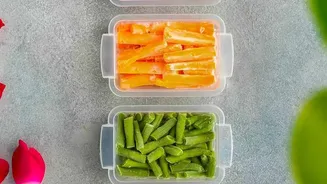
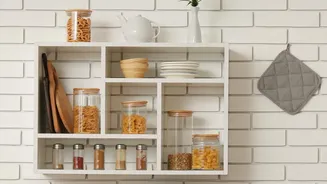
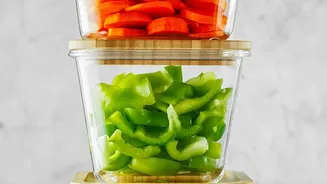
The single most effective step you can take is to decant dry goods out of their original paper or thin plastic packaging. Pests can easily chew through cardboard boxes and flimsy bags. Investing in high-quality, airtight containers made of hard plastic or glass creates an impenetrable barrier. This not only blocks physical entry but also seals in the aromas of the food, making your pantry less attractive to foraging insects. When choosing containers, look for those with strong, locking lids and a silicone or rubber seal to ensure they are truly airtight.
The Power of a Clean, Dry Pantry
Pests thrive on forgotten crumbs and spills. A disciplined cleaning routine is a powerful deterrent. Wipe up any spills of flour, sugar, or other ingredients immediately. Once a week, take a few minutes to quickly wipe down shelves to remove any dust or stray particles. A deeper clean should be done every few months, which involves taking everything out, vacuuming the corners and crevices of your cupboards, and wiping all surfaces. A clean pantry eliminates the secondary food sources that can sustain a pest population even after you've secured your main ingredients.
The Truth About Viral 'Hacks'
You may have seen videos suggesting that placing a few bay leaves in your flour canister will solve all your pest problems. It's true that the strong scent of bay leaves, which comes from natural oils like eucalyptol, can act as a mild repellent for some insects, including moths and weevils. Some people find this method helps inside a sealed container. However, relying on this alone is a mistake. A bay leaf is a deterrent, not a barrier. It might make an area less appealing, but it won’t stop a determined pest from getting into an unsealed bag. These hacks fail to address the root of the problem: access. Without airtight containers and a clean environment, these fragrant tricks offer a false sense of security.
Smart Pantry Management
Good habits complete your defence strategy. First, inspect all groceries before putting them away. Check for any tears or holes in packaging that might indicate an existing infestation. Many infestations begin at the warehouse or store, so a quick check can prevent a problem from entering your home. Second, practice the 'First In, First Out' (FIFO) method. When you buy a new bag of rice, place it behind the one you are currently using. This rotation ensures that items don't sit untouched for months, becoming a potential breeding ground. For items you use infrequently, consider buying smaller quantities to ensure they are always fresh.
What to Do If You Find Pests
If you do discover an infestation, don't panic. The first step is to identify and discard all contaminated food in a sealed bag outside your home. Remove everything from the affected cupboard and vacuum it thoroughly, paying special attention to corners and shelf supports. Then, wash the shelves with soap and water. Once you have cleaned the area and restocked with fresh items—all in airtight containers—you will have effectively broken the pests' life cycle.