


A Lake Born from Catastrophe
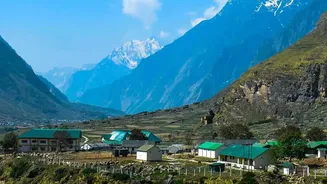
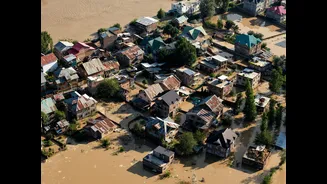
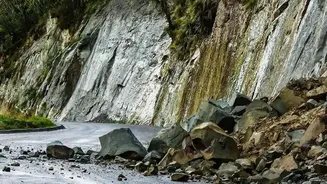
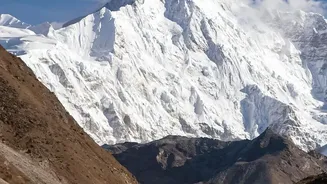
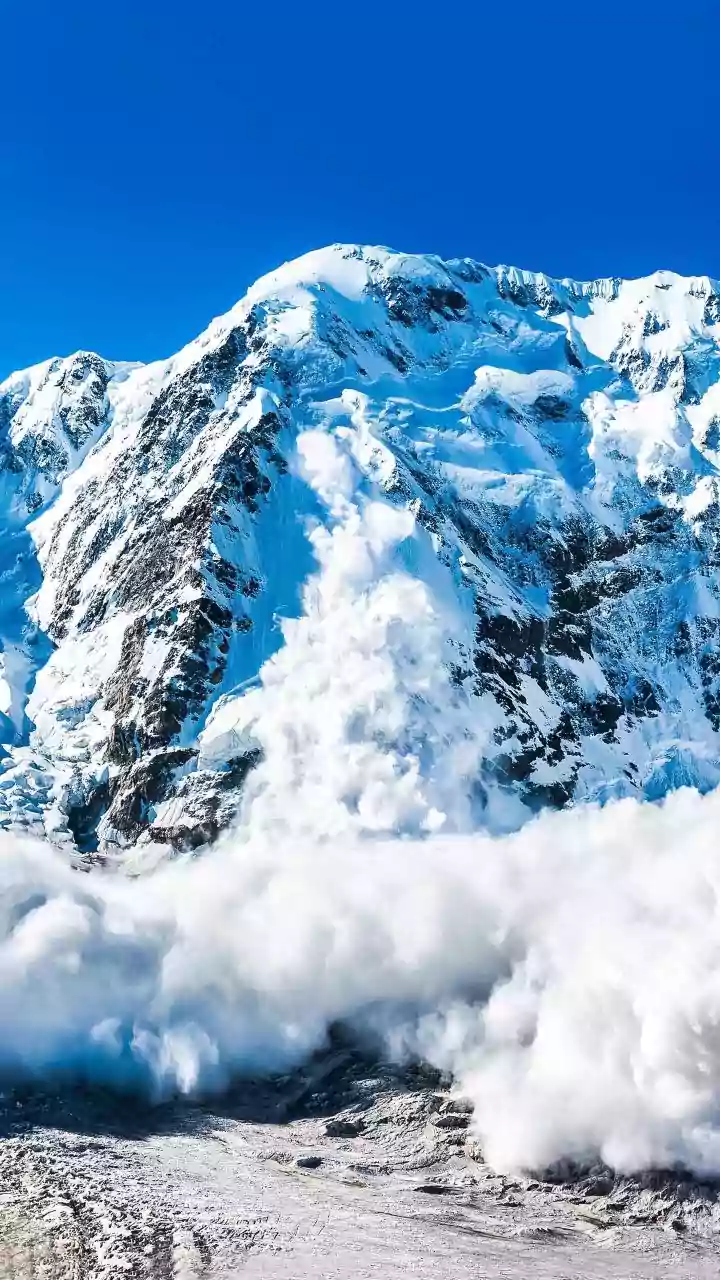
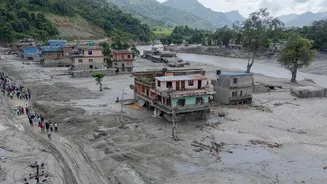
On August 26, 2026, a colossal section of a glacier, along with underlying bedrock, collapsed in the high Himalayas of Nepal. This event, so powerful it registered as a magnitude 5.2 seismic event, triggered a catastrophic debris flood along the Bhote
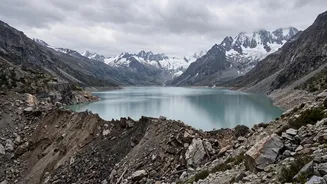
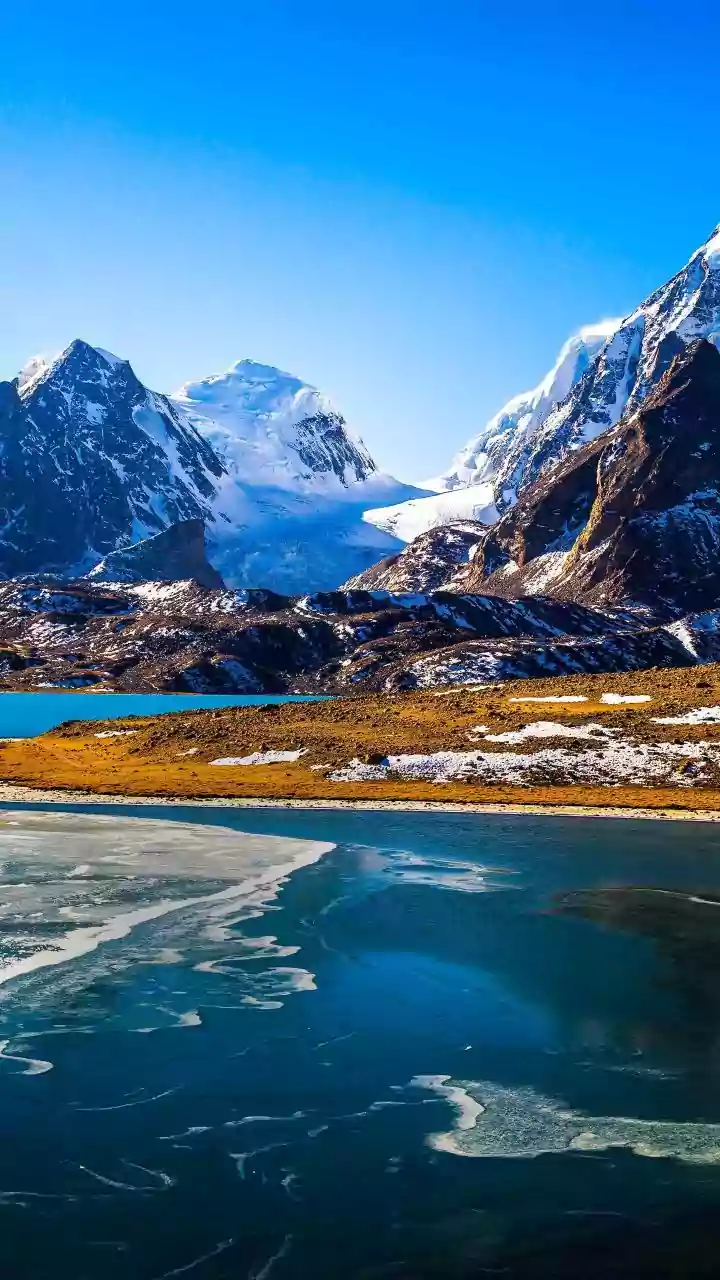
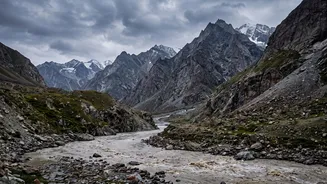
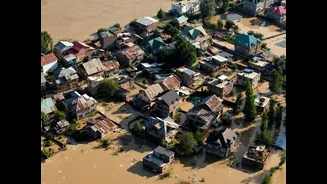
Koshi-Trishuli river system. The torrent of ice, rock, and mud swept through villages and towns, causing immense destruction. In the aftermath, satellite imagery confirmed the formation of at least two new lakes. The largest was created when debris from the avalanche dammed the Lhende Khola river, a tributary of the Bhote Koshi. This natural dam, made of loose rock and mud, caused water to back up, creating a new and highly unstable body of water.
An Unstable Beauty
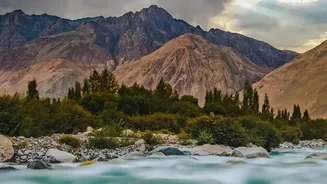
While a new mountain lake might sound picturesque, its reality is fraught with peril. These landslide-dammed lakes are inherently unstable. Unlike engineered dams, they lack spillways and solid foundations. Authorities in both Nepal and China immediately raised alarms about the risk of the natural dam breaching, which could trigger a second, equally devastating flood downstream. This threat became so acute that rescue operations had to be temporarily halted as the lake began to overflow. This type of event, known as a Glacial Lake Outburst Flood (GLOF), can release enormous volumes of water almost instantly, posing a grave danger to any communities in its path. The very existence of this new lake has become a source of constant anxiety for a region already grappling with immense loss.
A Himalayan Warning Sign
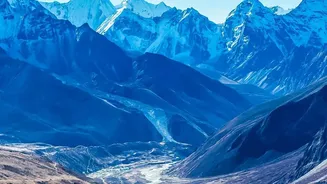
Scientists are clear that while it's complex to link any single event directly to climate change, the conditions that led to this disaster are its textbook symptoms. The Himalayas are warming faster than many other parts of the world. This rapid warming melts glaciers, which not only contributes to the formation and expansion of glacial lakes but also destabilises the surrounding mountain slopes. As permafrost thaws, the frozen 'glue' holding rock and ice together weakens, making massive collapses like the one on August 26 more likely. Experts note that the frequency of GLOF events in the Hindu Kush Himalaya region has already increased fivefold since 1950. This new lake is not an isolated incident but a clear and present sign of a rapidly changing and increasingly hazardous mountain environment.
Ripples Across the Border
What happens in the high Himalayas of Nepal does not stay in Nepal. The Trishuli River, where the flood occurred, is a major tributary of the Gandak River (known as the Narayani in Nepal), which flows down into Bihar and Uttar Pradesh. The consequences of such upstream disasters have direct downstream implications for India, affecting water flow, sediment deposition, and flood risk. Bodies from the recent disaster were recovered as far downstream as Uttar Pradesh, a tragic illustration of the river system's connectivity. The disaster has already impacted hundreds of Indian nationals who were in the area. This event underscores the vulnerability of the entire region to cascading climate-related hazards. It highlights an urgent need for robust cross-border early warning systems and collaborative water management between India, Nepal, and China, as the stability of the Himalayan water towers is a shared security concern for billions of people.