

From Mad Rush to Mindful Meandering
For decades, the blueprint for an Indian holiday was straightforward: pack as much as possible into a limited time. Whether it was a ten-day European tour covering five countries or a domestic trip rushing through hill stations, the goal was often to see
everything, ticking off landmarks from a pre-planned list. This style of travel, sometimes called 'checklist tourism', prioritized quantity, leaving travellers with a camera full of photos but often feeling more exhausted than rejuvenated. Slow travel is the direct antithesis to this hurried approach. It’s not about seeing the world in a blur, but about experiencing one place deeply. The philosophy encourages travellers to immerse themselves in the local culture, rhythm, and environment, fostering a genuine connection to the destination. It’s about choosing a week-long stay in a village instead of visiting seven cities in seven days, valuing the journey as much as the destination itself.
What’s Fuelling the Slowdown?
Several factors are driving this significant shift in travel philosophy. The post-pandemic world has led many to re-evaluate their priorities, with a greater emphasis on mental well-being, personal growth, and restorative breaks. A 2026 travel outlook report found that relaxation was the main reason for travelling for 67% of Indian respondents. Furthermore, the rise of remote work and 'workations' has untethered millions of Indian professionals from their office desks. This newfound flexibility allows for longer stays, blending work with leisure and enabling deeper immersion in a location. There is also a growing weariness of 'Instagrammable' tourism, where destinations become overcrowded and experiences feel staged. Many travellers now actively seek out quieter, lesser-known places to disconnect from the noise of daily life and social media pressures, a trend dubbed “hushpitality”. Sustainability is another key driver; slow travel often has a lower environmental impact and contributes more directly to local economies.
More Than Just a Long Vacation
Slow travel is about a state of mind, not just the duration of a trip. The core idea is to move from passive observation to active participation. This could mean learning a local craft like block printing in Gujarat, participating in a cooking class in a Keralan homestay, or helping with the apple harvest in Himachal Pradesh. Instead of staying in anonymous hotels, slow travellers might opt for homestays or heritage properties that offer authentic cultural exchanges. The goal is to collect memories and stories, not just souvenirs. This approach allows for spontaneity and discovery, leaving room for unplanned walks, unexpected conversations with locals, and the simple joy of watching the world go by without a rigid itinerary. Travellers return not with a list of sights seen, but with a renewed sense of connection to themselves and the place they visited.
The New Indian Itinerary
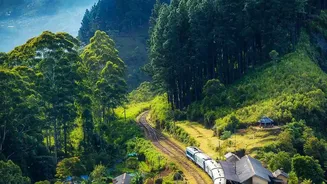
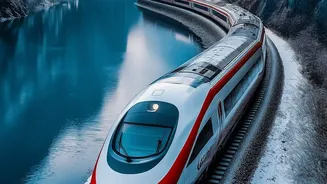
Across India, this trend is reshaping tourism. Destinations are no longer just points on a map but hubs for immersive experiences. Goa, once known primarily for its high-energy nightlife, is now also seen as a capital of slow living, attracting those looking for long-term stays in quiet villas. The serene backwaters of Kerala, the Himalayan villages of Uttarakhand and Himachal Pradesh, and the culturally rich landscapes of the Northeast are becoming popular choices for those looking to unwind and connect with nature. Even wildlife tourism is adapting, as travellers learn that a safari isn't about rushing to spot a tiger, but about patiently observing the forest and appreciating the entire ecosystem. This shift also means valuing different modes of transport; a train journey, for instance, becomes part of the cultural immersion rather than just a means to get from A to B.