




Meet the Star of the Show: Yeast
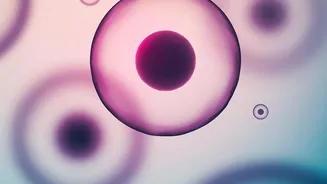
At the heart of almost every loaf of bread is yeast, a single-celled fungus known to scientists as Saccharomyces cerevisiae. This microscopic organism is the engine behind the entire rising process. When you buy yeast at the store, whether it’s fresh,
active dry, or instant, you are getting billions of dormant, living cells. All they need to 'wake up' and get to work is moisture, warmth, and food. For a baker, this means mixing the yeast with water and flour, which contains the sugars yeast loves to eat.
The Process of Fermentation
Once activated by warm water and surrounded by the starches and sugars in flour, the yeast begins to feed. This process is called fermentation. The yeast cells metabolise the simple sugars, breaking them down to create energy for themselves. As they do this, they produce two main byproducts: ethyl alcohol and carbon dioxide gas. While the alcohol contributes to the wonderful aroma and complex flavour of baked bread, it's the carbon dioxide that does the heavy lifting when it comes to leavening. The longer and slower the fermentation, the more flavour develops, which is why artisanal breads often have a richer taste.
How Carbon Dioxide Makes Dough Rise
As the yeast produces carbon dioxide, tiny gas bubbles begin to form within the dough. But producing gas isn't enough; it needs to be trapped. This is where gluten comes in. Gluten is a protein network that forms when the proteins in wheat flour—glutenin and gliadin—are mixed with water. Kneading the dough helps to organise and strengthen this network, creating a stretchy, elastic structure. Think of it like a vast web of tiny balloons. The carbon dioxide produced by the yeast gets trapped inside these 'balloons', causing them to inflate and, as a result, the entire dough mass expands and rises.
The Importance of a Strong Gluten Network
Without a well-developed gluten network, the carbon dioxide gas would simply escape, and the dough would remain flat and dense. The gluten needs to be both elastic (able to spring back) and extensible (able to stretch without breaking). This balance allows the dough to hold its shape while accommodating the millions of gas bubbles that are expanding within it. As the dough rests and proofs, the gluten network continues to develop and trap more gas, leading to a light, airy internal structure, known as the crumb.
The Final Act: Oven Spring
The rising process doesn't stop when the dough goes into the oven. The initial blast of heat causes a final, rapid burst of rising known as 'oven spring'. This happens for two reasons: first, the yeast works faster in the increased warmth, producing one last surge of carbon dioxide before the high temperature eventually kills it. Second, the heat causes the trapped gas bubbles to expand significantly. At the same time, the alcohol produced during fermentation evaporates, also contributing to the rise. As the bread bakes, the gluten structure sets and the starches solidify around the air pockets, locking in the airy texture and giving the finished loaf its shape and volume.