





The 'Miracle Tree' in Indian Tradition
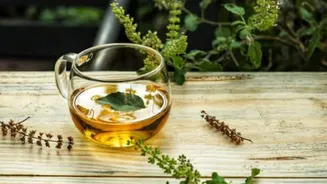
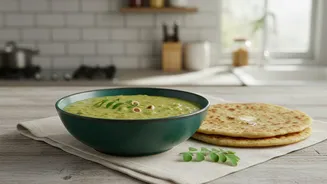
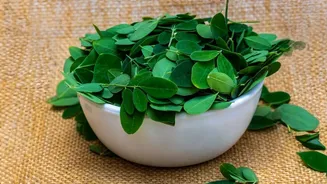
For generations, Moringa oleifera, known locally as 'shevga' or 'sahjan', has been a fixture in Indian households. Its long pods are a staple in dishes like sambar, its leaves are used in stir-fries, and its flowers are considered a delicacy. In Ayurveda,
various parts of the plant have been used for centuries to address a range of health concerns. Traditional wisdom values Moringa for its high nutritional content, recognising it as a source of vitality. The leaves, in particular, are known to be rich in vitamins and minerals, providing a natural and accessible dietary supplement for communities across the country. This long-standing relationship is built on observable, food-based benefits — a nutritious plant that supports overall well-being as part of a balanced diet.
The Modern Superfood Boom
In recent years, the global wellness industry has seized upon Moringa, rebranding it from a humble backyard tree to a premium 'superfood'. The focus, however, has shifted dramatically from the commonly consumed leaves and pods to the seeds. Marketed in expensive powders, oils, and capsules, Moringa seeds are now promoted with powerful claims, chief among them being the ability to dramatically 'boost' the immune system. These products often come with a high price tag and promises that go far beyond traditional use, suggesting that a few seeds or a scoop of powder can provide a silver bullet for immunity, protecting you from seasonal colds and other illnesses. This has created a new perception of Moringa, one that is less about nutrition and more about a quick, potent fix.
Immunity Claims Under the Microscope
So, do these bold claims about Moringa seeds and immunity hold up to scientific scrutiny? The short answer is: it's complicated. Moringa is indeed packed with nutrients that are essential for a healthy immune system. It contains high levels of Vitamin C, Vitamin A, and antioxidants, all of which play a role in supporting our body's natural defences. However, most of this nutritional power is concentrated in the leaves. While the seeds also contain beneficial compounds, scientific evidence directly linking the consumption of Moringa seeds to a 'boosted' immune response in humans is currently very limited. Lab studies may show anti-inflammatory or antioxidant effects from certain chemicals within the seeds, but this is a far cry from proving they can prevent you from getting sick. A healthy immune system is a complex network, and the idea that one single food can 'boost' it is a marketing simplification.
What Science Does Confirm
While the specific immunity claims are overblown, this doesn't mean Moringa is without merit. Science does confirm that the plant, especially the leaves, is a nutritional powerhouse. The significant antioxidant and anti-inflammatory properties are well-documented in laboratory settings. Research is exploring Moringa's potential in helping to regulate blood sugar and cholesterol levels, which could have significant health implications. The seeds themselves are rich in oils and fatty acids and have shown promise in lab studies for things like wound healing and liver protection. The key takeaway is that Moringa's benefits are tied to its rich profile of vitamins, minerals, and bioactive compounds that support overall health, rather than providing a specific, targeted immunity shield.
Enjoy the Leaves, but Be Wary of the Seeds
When incorporating Moringa, it's wise to stick closer to tradition. The leaves are nutrient-dense and generally considered safe when consumed as food. However, caution is advised with the seeds. Consuming them in large quantities can lead to digestive upset, bloating, and other uncomfortable side effects. Furthermore, other parts of the plant, like the root and its extracts, can contain substances that may be harmful, especially for pregnant women. As with any food, moderation is key. Eating a varied and balanced diet is the most reliable way to support your immune system. Moringa leaves can be a fantastic addition to that diet, but relying on concentrated seed powders for immunity is not supported by strong evidence and may carry unnecessary risks.