




A Major Vote of Confidence
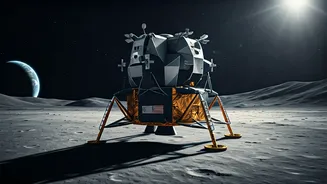
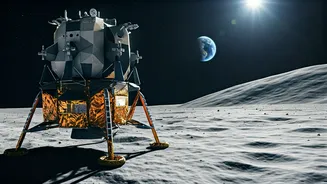
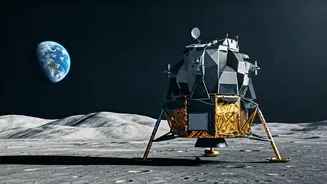
On June 30, 2026, Intuitive Machines announced it had been awarded its sixth task order under NASA's Commercial Lunar Payload Services (CLPS) initiative. The firm-fixed-price contract tasks the company with delivering a production-line-qualified Nova-C
lander to the Moon. The deal is structured with a base value of $68.6 million for the mission itself, plus a potential performance incentive of $79.7 million. This incentive is tied to the successful demonstration of the company's ability to mass-produce these landers, a key goal for both NASA and the company as they look to build a sustainable presence on the Moon.
The Mission: Science and Scalability
This isn't just a delivery run; it's a mission designed to prove out a new model of lunar logistics. The lander will carry a suite of scientific and operational payloads to the lunar surface. These include advanced stereo cameras to study how the lander's engine plume interacts with the lunar soil, a laser retroreflector array to enable high-precision positioning, and a radiation monitor to gather data on the harsh lunar environment. The broader goal is to support NASA's Artemis program by establishing more operational sites on the Moon, effectively creating a proving ground for future human and robotic missions.
Meet the Nova-C Lander
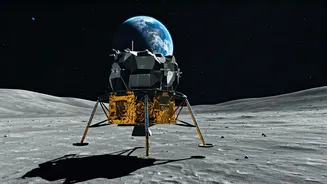
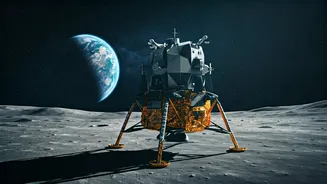
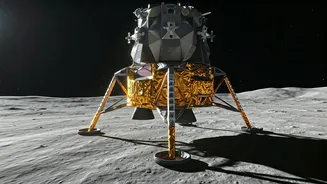
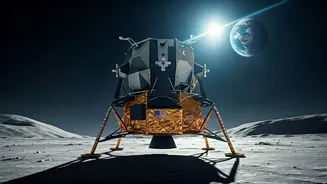
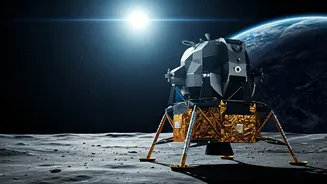
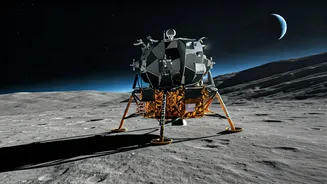
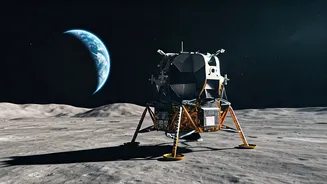
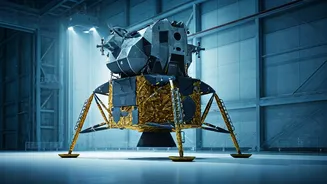
The vehicle at the heart of this contract is the Nova-C lander. Following its historic IM-1 mission in February 2024, which marked the first-ever commercial soft landing on the Moon, Intuitive Machines has proven the capability of its design. The company is now focused on scaling up production. CEO Steve Altemus noted that the company is shifting from bespoke, custom-engineered spacecraft to the commercial mass production of lunar hardware. Using what the company calls "industry 4.0-powered manufacturing," the goal is to build, test, and fly multiple landers in parallel, a significant departure from the traditional, slower pace of space exploration hardware development.
NASA's Commercial Partnership Strategy
This contract is a prime example of NASA's CLPS initiative in action. Established in 2018, the program's goal is to foster a commercial marketplace for lunar delivery services. Instead of building and owning the hardware itself, NASA acts as a customer, buying payload delivery services from a pool of American companies. This competitive model is designed to drive down costs, accelerate the pace of lunar science, and spur innovation within the commercial space sector. To date, NASA has a pool of eligible companies and has awarded multiple delivery contracts to vendors like Intuitive Machines, Astrobotic, and Firefly Aerospace, who are all playing a role in the new lunar economy.
What This Means for the Future
This award solidifies Intuitive Machines' position as a key partner in NASA's long-term lunar ambitions. With a delivery date set for no later than 2028, this mission will contribute directly to the infrastructure and knowledge needed for the Artemis program, which aims to establish a sustainable human presence on the Moon. The contract's emphasis on creating a production line for landers is perhaps its most significant aspect. It signals a move away from one-off exploratory missions toward a more routine and sustainable cadence of lunar transport, a crucial step in creating a true lunar economy and preparing for eventual human missions to Mars.