






The Wild Returns to Europe
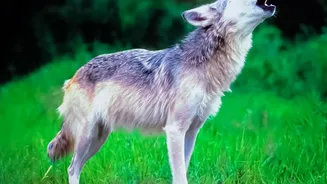
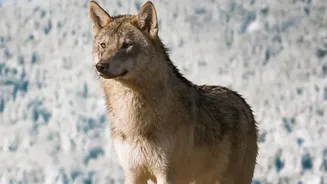
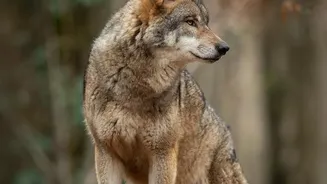
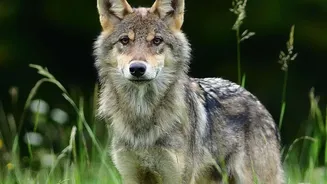
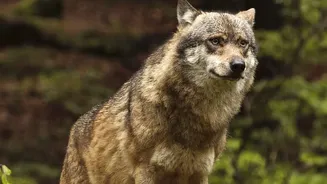
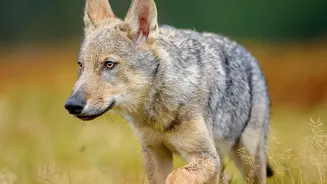
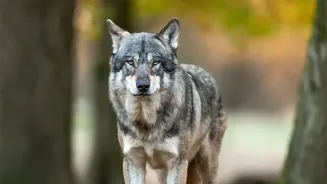
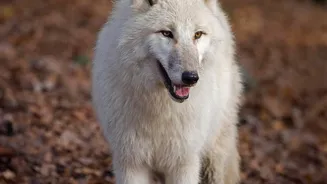
After being hunted to near-extinction over centuries, the wolf is making a stunning comeback across the European continent. Thanks to strong legal protections, habitat restoration, and an increase in prey like deer and wild boar, wolf populations have
been steadily growing and reclaiming their ancestral lands. Recent estimates suggest there are now over 20,000 wolves across Europe, a significant increase over the last decade. They have been spotted in countries where they were absent for generations, from Germany and France to Belgium and Luxembourg. This astonishing recovery is not just a conservation success story; it's reshaping landscapes and, surprisingly, creating a new frontier for tourism.
From Fairytale Villain to Travel Icon
The wolf, long cast as the villain in folklore and a threat to livestock, is now becoming a coveted sight for travellers seeking authentic and wild experiences. This shift has given rise to 'wolf tourism', a specialised form of ecotourism focused on understanding and witnessing these elusive animals in their natural habitat. Operators in Italy, Spain, Romania, and Finland are now leading small groups on expeditions into wolf country. But this isn't a guaranteed safari. The experience is more about the thrill of the chase: learning to identify tracks in the mud or snow, finding scat, listening for howls at dusk, and understanding the complex ecology that the wolf supports as a keystone species. Actually seeing a wolf is a rare and profound prize, not a promise.
A Journey into Wolf Country
Several regions have become hotspots for this emerging trend. In Italy's Abruzzo National Park, one of the first strongholds for the surviving Apennine wolf, visitors can join multi-day tracking tours. Here, guides lead hikes into ancient beech forests and mountain valleys, teaching guests how wolves shape the entire ecosystem. In the Riaño Mountains of northern Spain, trips focus on spotting the Iberian wolf in a rugged, remote landscape, often combining the search with opportunities to see other rare carnivores like the European wildcat. Further east, Romania's Carpathian Mountains offer a truly wild setting, where extensive forests support healthy populations of wolves, bears, and lynx. These tours emphasize patience, silence, and respect for the animals, offering a slow, immersive way to connect with nature.
A Complicated Comeback
The return of the wolf is not celebrated by everyone. For farmers and rural communities, the predator's comeback means a renewed threat to livestock, creating significant economic and social tension. This conflict is a central part of the story, and has led some governments to reconsider the wolf's 'strictly protected' status. Proponents of wolf tourism argue that it can offer a powerful solution by creating an alternative, sustainable economy based on the wolf's presence. When local communities benefit from travellers who come to see wolves, the animal can transform from a liability into a valuable asset. However, this requires a responsible approach that minimises human impact and ensures the animals remain truly wild, avoiding habituation which can lead to further conflict.
More Than Just an Animal Sighting
Ultimately, the rise of wolf tourism speaks to a deeper shift in our relationship with the natural world. In an increasingly urbanised society, there is a growing desire for experiences that feel real, untamed, and meaningful. Tracking a wolf, even without a successful sighting, is an act of reconnection. It forces a person to slow down, to observe their surroundings with intense focus, and to appreciate the intricate web of life that a top predator sustains. It is a chance to witness one of Europe's most dramatic conservation stories in real time and to grapple with the complex reality of what it means for humans and wildlife to coexist in a modern landscape.