



The Numbers Behind the New Wanderlust
Digital travel platform Agoda has unveiled its '2027 Asia Travel Pulse' report, and the findings are clear: Indian travellers are redefining what it means to take a vacation. The standout statistic reveals that 55% of Indian travellers are likely to visit
a lesser-known, or 'offbeat', destination in the coming year. This figure places India at the top of the list, significantly outpacing the Asian average of just 36%. The survey, which polled over 3,300 travellers across 11 Asian markets, paints a picture of an Indian tourist who is increasingly intentional, adventurous, and seeking more than just a pretty picture. This isn't just about avoiding crowded hotspots; it’s a fundamental change in travel philosophy, prioritising unique experiences over predictable itineraries.
What 'Offbeat' Really Means
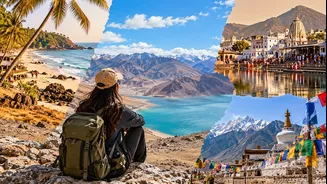
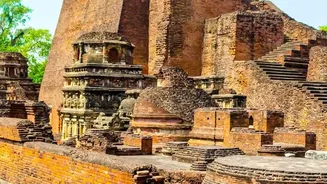
The term 'offbeat' has moved beyond just remote locations. Today, it signifies a search for authenticity and connection. Instead of the usual suspects like Goa or Manali, travellers are turning their attention to places like the tranquil Ziro Valley in Arunachal Pradesh, the ancient ruins of Hampi in Karnataka, or the serene backwaters of the Malabar Coast in North Kerala. It also includes a pivot towards different kinds of journeys. The same Agoda report found that 42% of Indians cite outdoor adventure as a key travel motivation, among the highest in Asia. Furthermore, 14% are driven by spiritual journeys, a figure three-and-a-half times the regional average, leading to a surge in interest for destinations like Pushkar and Leh.
The 'Why' Behind the Shift
Several factors are fuelling this exodus from the mainstream. The post-pandemic era created a deep-seated desire for open spaces and less crowded environments, accelerating a trend that was already simmering. Social media also plays a dual role; while it can create over-tourism, it has also become a powerful discovery tool, with travel creators showcasing the beauty of unexplored places and inspiring others to seek them out. There's also a growing sense of 'experiential tourism', where the goal is no longer to just see a place, but to immerse oneself in its culture, food, and way of life. As Gaurav Malik of Agoda notes, Indian travellers are becoming more 'intentional about how they explore the world'. This conscious approach is coupled with a desire for sustainability, with surveys showing a high percentage of Indians wanting to travel more responsibly.
From Weekend Trips to Deeper Dives
This new mindset is also changing the duration of travel. While short trips remain popular, the Agoda survey highlights another area where India stands out: the preference for longer holidays. About 26% of Indian travellers reported that their trips in the upcoming year would likely last between 8 and 12 days. This is a notable increase and points to a desire to move beyond a rushed, superficial visit. Longer stays allow for deeper immersion, a slower pace, and the flexibility to truly discover a region's character, from its local markets to its hidden trails. This shift suggests that for a growing number of people, travel is becoming less about a quick escape and more about a meaningful and restorative experience.
The Future of Indian Travel
This embrace of the unconventional is reshaping India's domestic tourism landscape. It encourages a more even distribution of tourism revenue, moving beyond established hubs to support local economies in more remote areas. For the travel industry, the message is clear: the one-size-fitsall package tour is losing its appeal. The future lies in catering to this adventurous spirit, whether through curated trekking packages, spiritual retreats, or cultural immersion tours. As road connectivity improves and digital tools make planning easier, the map of Indian travel is being redrawn, one hidden gem at a time. The Indian traveller of tomorrow is not just a tourist, but an explorer in their own backyard.