


The Eyes Dictate the Appetite
Before a single bite is taken, our brains have already formed a complex judgment about what is on our plate. This first impression, driven entirely by visual cues, sets expectations for everything from flavour and quality to, most surprisingly, healthiness.
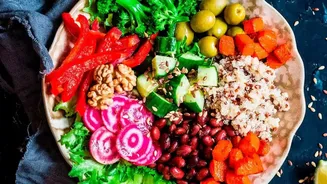
The aesthetics of food presentation—the balance, colour, and even the style of the plate—are not just for high-end restaurants. These elements play a crucial and often subconscious role in our everyday dietary choices and perceptions. Studies have consistently shown that the same ingredients can be perceived very differently depending on how they are presented. An artfully arranged salad can seem more nutritious than the exact same ingredients tossed in a bowl, and a neatly organised plate can make a meal feel more wholesome and intentional.
What the Science Says
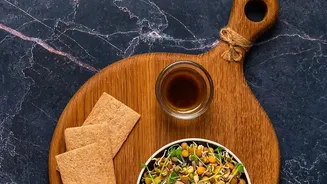
A growing body of research explores this fascinating link between presentation and perception. A study published in the journal 'Foods' in 2022 found that participants perceived food served on more beautiful plates as both tastier and healthier. Further research highlights the difference between 'classical' plating (neat, orderly arrangements) and 'expressive' plating (more abstract or artistic). One study found that classical, orderly aesthetics increased the perceived healthiness of a dish because it triggered a sense of naturalness. A recent 2026 study from Japan took this a step further, examining just the placement of sauce. Researchers discovered that a dish with sauce served separately in a small bowl was perceived as significantly healthier than the same dish with the sauce drizzled over it. This suggests that even subtle cues that give the diner a sense of control or highlight the individual ingredients can create a powerful health halo.
The Psychology of the Plate
So, what is happening in our brains? Several psychological principles are at play. The first is the 'halo effect', a cognitive bias where a positive impression of one attribute (in this case, beauty or orderliness) leads us to believe the item has other positive attributes (like being healthy or made with better ingredients). If a dish looks like a chef invested significant time and care into its creation, our brain assumes that same care extends to its nutritional value. Another factor is our deep-seated association between order and concepts like control, discipline, and purity. A neat, balanced presentation can subconsciously signal that the food is 'clean' or unprocessed, while a messy or chaotic arrangement might be associated with indulgence and excess. This happens even when we consciously know the ingredients are identical.
More Than Just Arrangement
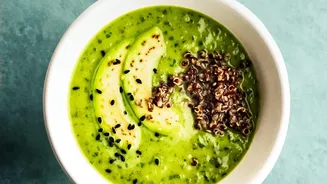
It is not just the arrangement of food but the 'canvas' itself—the plate—that matters. Research has shown that the colour, shape, and even the size of our dinnerware can influence our perceptions. White, round plates, for instance, have been found to enhance the perceived sweetness of desserts. In contrast, some studies suggest that eating from red or blue bowls can make snacks taste saltier. The Delboeuf illusion, a visual perception trick, shows that a serving of food looks smaller on a large plate and larger on a small plate. This can affect our estimation of portion size and calories. A meal served on an aesthetically pleasing plate with a beautiful pattern is often perceived as being of higher quality and, by extension, healthier. These factors combine to create a multisensory experience where our eyes can easily mislead our nutritional judgment.
Becoming a Mindful Eater
Understanding these psychological influences is not about stripping the joy from a beautifully presented meal. Instead, it is a tool for greater mindfulness. This knowledge is crucial in an age of social media, where photogenic meals dominate our feeds. Food marketers and restaurants are well aware that pretty food sells, and a 'healthy' appearance can be a powerful marketing tool. For the everyday consumer, it is a reminder to look beyond the surface. When you plate your own food, you can use these tricks to your advantage, making a simple, healthy meal more appealing. By arranging your vegetables with care or choosing a plate that makes the colours pop, you might increase your own enjoyment and satisfaction. The key is to recognise that our perception of healthiness is easily swayed. Appreciating the artistry of food is wonderful, but it pays to be a savvy and informed diner, both at home and when eating out.