






What Exactly is E20 Petrol?
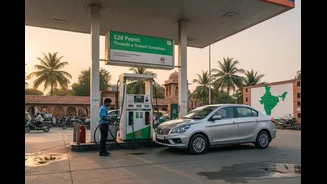
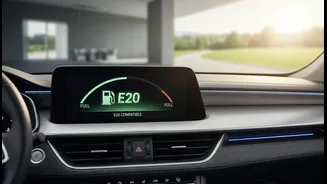
E20 petrol is a blend of 80% petrol and 20% ethanol. India has widely adopted this fuel as part of a national initiative to reduce dependency on imported crude oil, lower carbon emissions, and support the agricultural sector. For many drivers, E20 is now
the default fuel at the pump. Modern vehicles manufactured since April 2023 are generally designed to be compatible with E20, but it's the unique chemical properties of this blend that require a bit of consumer awareness.
The Key Ingredient: Ethanol's Affinity for Water
The main character in this story is ethanol. Unlike petrol, ethanol is 'hygroscopic,' which means it has a natural tendency to attract and absorb water molecules from its surroundings. In small amounts, this isn't a problem. In fact, ethanol can hold a certain percentage of water in suspension, mixed evenly within the fuel, and it will burn harmlessly through the engine. E10 fuel, for example, can hold about 0.5% water by volume before it becomes unstable. This property means a few drops of moisture from condensation won't cause immediate trouble.
The Tipping Point: When Too Much Water Gets In
The problem begins when an excessive amount of water enters the fuel tank. This can happen in several ways: during heavy monsoon rains, from condensation building up in a near-empty tank, through a poorly sealed fuel cap, or from contaminated storage tanks at a fuel station. When the water content exceeds the saturation point—the maximum amount the ethanol can hold—the fuel's chemistry changes dramatically. This is the trigger for phase separation.
Understanding Phase Separation
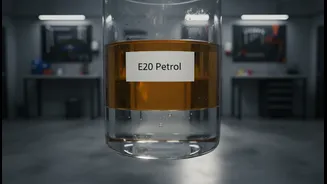
Phase separation is the process where the ethanol gives up its bond with the petrol and instead bonds with the excess water. Because the resulting ethanol-water mixture is denser than petrol, it sinks and settles at the bottom of the fuel tank. This leaves you with two distinct and problematic layers: a corrosive, water-logged ethanol sludge at the bottom and a layer of petrol with a significantly lower octane rating on top, as the ethanol that boosted its octane is now gone.
Why Phase Separation Is Damaging to Your Engine
A vehicle's fuel pump is designed to draw fuel from the bottom of the tank. If phase separation has occurred, the pump will suck up the destructive ethanol-water mixture first. This sludge does not combust properly and can cause immediate engine sputtering, stalling, or a complete failure to start. Furthermore, this mixture is corrosive and can damage sensitive fuel system components like fuel lines, injectors, and the fuel pump itself over time. The remaining low-octane petrol at the top will also lead to poor performance and reduced fuel efficiency.
How to Prevent Water Contamination
Prevention is straightforward and relies on good maintenance habits. First, try to keep your fuel tank at least half-full, especially during humid or rainy seasons. A fuller tank leaves less air space for condensation to form. Second, ensure your fuel cap seals properly to prevent any rainwater from seeping in. Third, fill up at reputable, high-traffic petrol stations where the fuel is turned over frequently, reducing the chances of it being old or contaminated. If you suspect water has entered your tank, it's crucial to have it inspected and flushed by a professional rather than hoping an additive will fix a major contamination.