







The Search for Authenticity
Many modern travellers are now actively seeking to escape the well-trodden tourist trail. The goal is no longer just to see a place, but to connect with it. This has sparked a growing interest in destinations that offer a more genuine glimpse into Malaysian
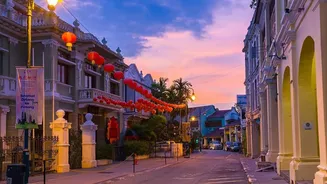
life. Instead of bustling city centres, people are venturing into smaller towns like Ipoh, once a tin-mining hub and now a celebrated centre for colonial architecture and incredible food. The allure lies in its slower pace and less commercialised feel. This trend also extends to rural homestay programmes, particularly in traditional villages known as 'kampungs'. These experiences allow visitors to immerse themselves in local culture, from sharing meals with a host family to participating in daily activities, creating travel memories that feel more personal and profound.
A Rising Tide of Sustainable Travel
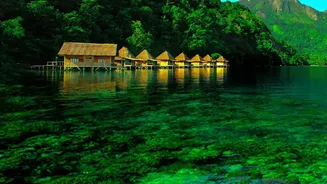
The global shift towards environmental consciousness has reshaped tourism in Malaysia. An increasing number of visitors are making eco-friendly choices, prioritising destinations that focus on conservation and support local communities. This has drawn attention to Malaysia's incredible natural assets, which are now seen not just as backdrops for photos but as ecosystems to be preserved. The ancient rainforest of Taman Negara, one of the oldest in the world, offers jungle treks and wildlife spotting guided by locals. On the East Coast, islands like the Perhentians and Redang are becoming hubs for responsible diving and snorkelling, with new eco-resorts offering a way to enjoy paradise while minimising environmental impact. Travellers are choosing to support operators who protect wildlife and champion green practices, making their vacation a force for good.
The Call of the Wild
Beyond relaxation, there is a growing appetite for adventure. Travellers are looking to challenge themselves and experience the wilder side of Malaysia. This has put Malaysian Borneo, comprising the states of Sabah and Sarawak, firmly on the map. Here, the scale of nature is breathtaking. Adventurers are drawn to the challenge of climbing Mount Kinabalu, Southeast Asia's highest peak, for its unparalleled sunrise views. The region is also home to world-class diving sites like Sipadan, where vibrant marine life thrives. In Sarawak, exploring the vast cave systems of Gunung Mulu National Park or visiting orangutan rehabilitation centres provides a powerful connection to the natural world that is both thrilling and educational. These experiences offer more than just an adrenaline rush; they are a deep dive into some of the planet's most precious biodiversity.
Embracing a Slower Pace
In a fast-paced world, the idea of a slow, restorative vacation has become the ultimate luxury. This has boosted the popularity of destinations that offer tranquillity over hustle. The Cameron Highlands, with its cool climate and rolling green tea plantations, has long been a favourite escape from the city heat. Today, travellers are visiting not just for a day trip but to truly unwind, spending days hiking through mossy forests, visiting strawberry farms, and simply enjoying the peaceful atmosphere. Similarly, historical towns like Malacca are being explored more deeply. Instead of a quick tour of Jonker Street, visitors are staying longer to absorb the rich Peranakan culture, take cooking classes, and explore the quieter backstreets at a leisurely pace. This slower rhythm of travel allows for a more meaningful and refreshing journey.