



A Storied Combination
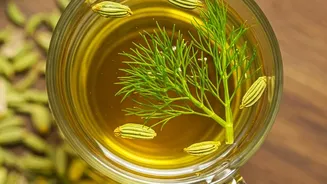
Saffron, or 'kesar', with its vibrant crimson threads and hay-like aroma, has long been one of the world's most prized spices. Fennel seeds, or 'saunf', offer a sweet, almost licorice-like counterpoint. In Indian cuisine, these two are not strangers;
they are pillars of flavour, often found together in dishes that aim for aromatic complexity and elegance. From celebratory sweets to rich, savoury rice dishes, their combined presence signals something special. The pairing is a classic for a reason, balancing the earthy, floral notes of saffron with the bright, sweet perfume of fennel. This combination is particularly prominent in desserts and drinks, where their fragrances can truly bloom.
The Perfect Canvas
For these two powerful aromatics to shine, they need a neutral, accommodating base. This is where milk and rice come in. Milk, with its gentle sweetness and fat content, is an ideal carrier for the fat-soluble compounds in spices. It mellows any potential bitterness from the saffron and rounds out the flavours, creating a creamy, luxurious mouthfeel. Rice, particularly aromatic varieties like basmati, provides a soft, starchy backdrop that absorbs the infused flavours without competing. It acts as a blank slate, allowing the saffron to impart its glorious golden hue and the fennel to release its sweet oils, ensuring every spoonful is fragrant and balanced.
A Match Made in Tradition
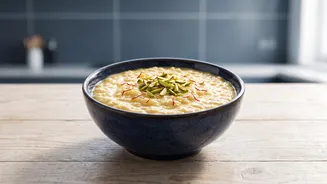
The most beloved example of this combination is in Indian puddings like Phirni or Kheer. Phirni, made from coarsely ground rice, is slow-cooked in milk infused with saffron and often cardamom, with fennel sometimes added for another layer of aroma. The ground rice gives it a distinct, slightly grainy texture that is both rustic and refined. The dessert is traditionally chilled in earthenware bowls, which helps to thicken it and adds a subtle earthy note. This slow cooking process allows the flavours to meld completely, creating a dessert that is creamy, fragrant, and deeply comforting. The gentle sweetness from sugar allows the spices to be the stars of the show.
The Science of Synergy
The magic of this pairing can also be explained by chemistry. Saffron's distinct aroma comes primarily from safranal, a volatile compound that gives it a woody, spicy character. Its flavour also has bitter notes from a compound called picrocrocin. Fennel's primary aromatic compound is anethole, which is responsible for its characteristic sweet, anise-like scent. When combined, these compounds don't clash; they complement. The sweetness of fennel balances the subtle bitterness of saffron, while their aromatic profiles merge to create a fragrance more complex than either could achieve alone. The creamy base of milk and the absorbent nature of rice ensure these volatile compounds are captured and delivered harmoniously to the palate.
Modern Kitchen Inspiration
Beyond traditional desserts, this flavour profile is wonderfully versatile. You can create a simple yet elegant saffron and fennel-infused milk to drink before bed, a practice known for its calming properties. Use this infused milk as a base for a morning latte or to make a simple, creamy rice pudding. For a savoury twist, add a pinch of saffron and a teaspoon of toasted fennel seeds to your next pot of basmati rice to serve alongside a mild curry. You can even experiment with baked goods; a simple loaf cake or butter cookie can be transformed by the addition of these two aromatic spices, providing a subtle, sophisticated flavour that is both unique and familiar.