






The Science Behind the Soak
At the heart of the soaking debate is a bit of food science. Lentils like moong dal contain natural compounds called anti-nutrients, including phytic acid and tannins. These substances can interfere with your body's ability to absorb essential minerals
like iron, zinc, and calcium. Soaking helps to break down and reduce these anti-nutrients. The process activates an enzyme called phytase, which neutralizes phytic acid, making the dal's nutrients more available to your body. Furthermore, soaking helps break down complex sugars called oligosaccharides, which are notorious for causing bloating and gas, making the dal much easier to digest. Think of it as waking up the dal's full nutritional potential before it even hits the stove.
How Long Should You Soak Moong Dal?
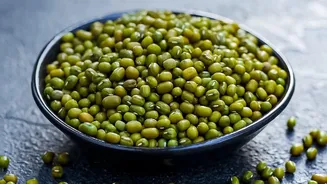
Not all moong dal is created equal, and the soaking time depends on the type you are using. For the common split and hulled yellow moong dal, a short soak of 15 to 30 minutes is often sufficient. It’s a quick-cooking dal by nature, but this brief soak helps soften it and aids digestion. For whole green moong dal (sabut moong), a longer soaking time is beneficial. Aim for at least four to six hours. This extended period helps soften the fibrous skin, reduces the compounds that can cause bloating, and ensures it cooks evenly. Some sources even suggest an overnight soak of 8 hours for whole moong, especially if you plan to sprout it. If you're short on time, even 30-60 minutes in lukewarm water can make a difference for whole moong.
Beyond Digestion: The Cooking Advantages
The benefits of soaking extend well beyond nutrition and digestion. A well-soaked dal cooks significantly faster, saving both time and fuel—a practical advantage in any busy household. Soaking allows the lentils to absorb water, which not only softens them but also leads to a more uniform and creamy texture in the final dish. Without soaking, dals, especially whole varieties, can sometimes cook unevenly, leaving you with a mix of mushy and firm bites. Soaked lentils also tend to absorb the flavours of spices and aromatics more readily, resulting in a more flavourful and well-integrated dal tadka or curry. The simple act of soaking ensures your final dish is not just healthier but also tastes better.
Common Mistakes to Avoid
While soaking is simple, a few common errors can undermine its benefits. One is not rinsing the dal properly before soaking. It's important to wash the lentils three to four times until the water runs clear to remove dust, polish, and other impurities. Another debate revolves around the soaking water. Many traditional practices and sources recommend discarding the soaking water, as it may contain the leached-out anti-nutrients and gas-causing compounds. However, some nutritionists argue that water-soluble B vitamins also leach into the water, suggesting it should be used for cooking. A good middle ground is to rinse thoroughly before a clean soak, and then decide based on your digestive sensitivity. Finally, avoid over-soaking, especially for split dals, as they can become too mushy and lose their texture.