

More Than One Country, More Than One Cuisine
The term “Mediterranean diet” is a broad umbrella covering the traditional eating patterns of at least 21 countries that border the Mediterranean Sea. From Spain and Italy in Europe to Morocco and Tunisia in North Africa, and Greece, Turkey, and Lebanon
in the Eastern Mediterranean, each nation brings its own history, culture, and agriculture to the table. Thinking of it as one diet is like saying “European food” is a single entity. The paella of Spain, the vegetable tagines of Morocco, and the herb-rich meze of Lebanon are all part of this vast culinary landscape. What they share is not a rigid list of recipes, but a common philosophy.
The Unifying Principles
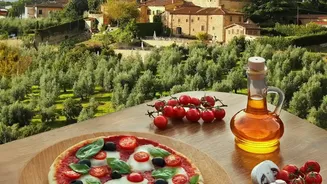
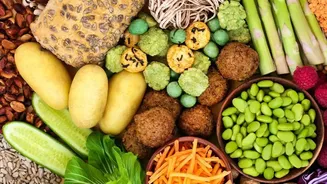
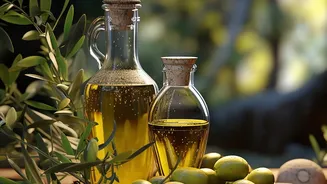
Despite the regional differences, a set of core principles unites these varied food cultures. The foundation is built on an abundance of plant-based foods: seasonal fruits, vegetables, whole grains, legumes, and nuts are central. The primary source of fat is extra virgin olive oil, used generously in place of butter or other fats. Protein comes mainly from fish and poultry, eaten a few times a week, while dairy products like cheese and yogurt are consumed in moderation. Red meat and sugary, processed foods are enjoyed sparingly, more as a treat than a daily staple. This pattern, first noted for its health benefits in places like Crete and southern Italy in the 1960s, consistently prioritizes fresh, whole foods.
A Culinary Tour of the Mediterranean
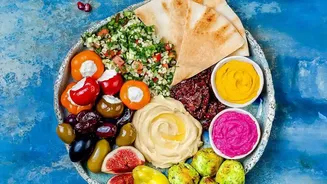
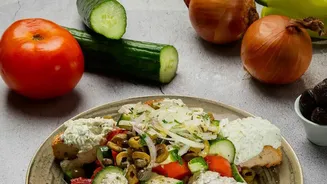
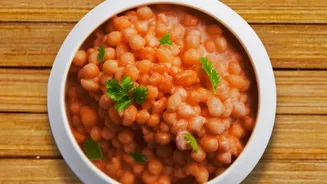
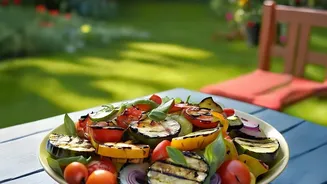
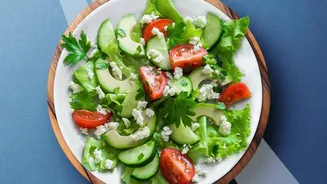
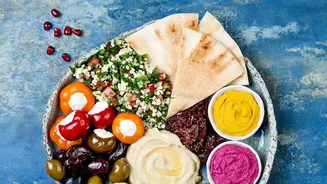
To truly appreciate the diet's diversity, consider the local specialties. In Greece, you might find a classic salad with tomatoes, cucumbers, feta, and olives, but also hearty lentil soups (fakes) and greens stewed in olive oil. Italy offers far more than pasta; its version of the diet includes bean-and-grain soups like ribollita and an emphasis on bitter greens. In Spain, small plates (tapas) might feature grilled vegetables, seafood, and legumes. Travel to Morocco, and the diet incorporates spices like cumin and cinnamon into slow-cooked tagines with vegetables and lean meats. Further east, in Lebanon or Syria, the diet is rich in dishes like hummus, tabbouleh, and grilled kebabs, demonstrating a different but equally healthy expression of the core principles.
A Lifestyle, Not Just a Diet
Perhaps the most misunderstood aspect of the Mediterranean diet is that it's not just about what is eaten, but how. In 2010, UNESCO recognized the diet as an Intangible Cultural Heritage of Humanity, not just for its food but for the entire lifestyle it represents. This includes the social aspect of eating together, which strengthens family and community bonds. The original Greek word 'diaita', from which 'diet' is derived, actually means 'way of life'. This encompasses daily physical activity, respecting seasonal rhythms, and taking time to prepare and share meals. It’s a holistic approach that values social exchange and a connection to the land.