









The Science of a Familiar Scent
The magic of clove lies in its powerful primary flavor compound, eugenol. This natural chemical is responsible for clove's intense, warm, and sweet aroma that is both peppery and slightly bitter. Eugenol makes up a significant portion of clove's essential
oil, which is why even a small amount can make a huge impact on a dish's overall scent and taste profile. When you add clove to a dessert, you're not just adding flavor; you're introducing a complex aromatic element that hits the senses before the first bite, creating a richer, more layered experience. Its character is so distinct that it can add depth and complexity to everything it touches, making it a valuable tool in any baker's pantry.
Mastering Whole vs. Ground
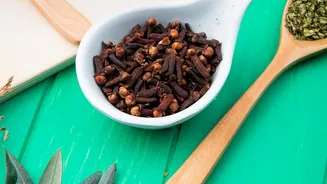
How you use cloves matters just as much as when you use them. Whole cloves and ground cloves serve different purposes in the kitchen. Whole cloves are dried, unopened flower buds perfect for slowly infusing flavor into liquids. Think of simmering them in a sugar syrup for poaching pears, studding an orange for mulled wine, or adding them to a custard base. They release their aromatic oils gradually, and a key advantage is that they can be removed before serving, giving you complete control over the flavor intensity. Ground cloves, on the other hand, are much more potent and blend directly into batters and doughs. Ideal for baked goods like spice cakes, gingerbread, and cookies, ground cloves deliver a powerful, immediate burst of flavor. A good rule of thumb is that since ground cloves are more concentrated, you should use less—about three-quarters of a teaspoon of ground cloves for every teaspoon of whole cloves.
Beyond the Usual Suspects
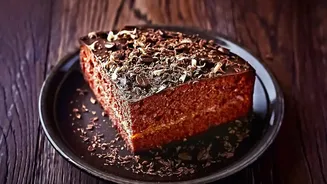
While cloves are a cornerstone of classics like pumpkin pie and gingerbread, their utility extends far beyond fall and winter baking. This spice has a surprising versatility that can elevate a wide range of desserts. A pinch of ground cloves can add a new dimension to chocolate brownies or even a simple mug of hot cocoa. They pair beautifully with fruits like apples, peaches, and pineapple, making them an excellent addition to fruit compotes, crisps, and crumbles. Even creamy desserts are not off-limits; a clove-infused milk or cream can form the base for an unexpectedly aromatic panna cotta or rice pudding. From traditional Indian sweets soaked in clove-scented syrup to modern vegan tortes, the spice finds a home in countless global desserts.
Unexpected Pairings to Try
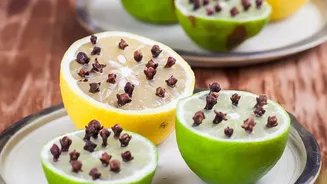
The true artistry of using cloves comes from pairing them with other flavors to create balance. Its classic partners are other warm spices like cinnamon, nutmeg, and ginger. However, thinking outside the spice box yields exciting results. The woody notes of clove are a fantastic counterpoint to the brightness of citrus, especially orange and lemon. It also stands up well to the richness of chocolate and the deep, caramelized notes of molasses and brown sugar. For a truly unique twist, try pairing cloves with stone fruits like plums or peaches in a compote, as their shared compounds can create a harmonious flavor profile. Don't be afraid to experiment; even a single clove added to a pot of coffee or tea can create a comforting and aromatic beverage.
A Light Touch Is the Secret
The most important rule when cooking with cloves is that a little goes a very long way. Its flavor is so strong and pungent that it can easily overpower a dish if you're not careful. Most recipes for family-sized desserts call for just a quarter or half-teaspoon of ground cloves. When using whole cloves for infusion, it’s wise to count how many you add so you can be sure to remove them all before serving to avoid an unpleasantly intense bite. If you do accidentally add too much, you can try to balance the flavor by adding sweetness from honey or sugar, acidity from lemon juice, or richness from cream or butter. The goal is to use cloves not as the main event, but as a supporting actor that makes all the other flavors in your dessert feel warmer, richer, and more complete.