



What Is a Ginger Compress?
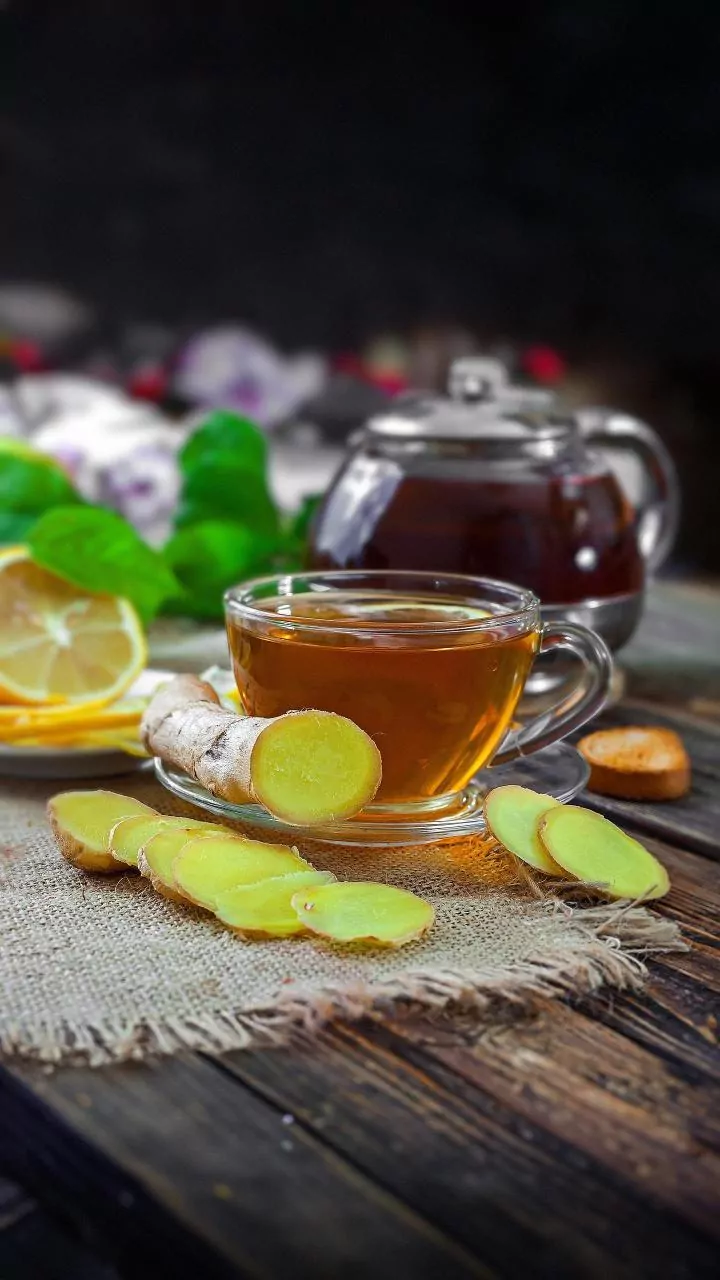
At its core, a ginger compress is a simple, warm poultice. It involves a cloth, typically made of cotton, that has been soaked in a hot infusion made from fresh ginger root. This warm, aromatic cloth is then applied to the body. This technique has been used
for centuries in traditional medicine practices to harness the warming properties of ginger. The goal is to stimulate circulation and dissolve tension where it's applied. The combination of gentle heat and ginger's natural compounds creates a deeply soothing experience that can help ease discomfort from everyday aches and strains.
The Soothing Science of Ginger
Ginger's reputation as a 'workhorse herb' is well-deserved, thanks to its potent active compounds. The main players are gingerols and shogaols, which are known for their powerful anti-inflammatory and antioxidant properties. When applied topically through a compress, these compounds can penetrate the skin. Research suggests they may work similarly to certain anti-inflammatory medications by inhibiting pathways that create pain and swelling. The warmth from the compress also causes vasodilation, or the widening of blood vessels. This increased blood flow helps deliver oxygen and nutrients to tissues while flushing away metabolic waste that can contribute to muscle stiffness, further enhancing the feeling of relief.
A Simple Guide to Making Your Own
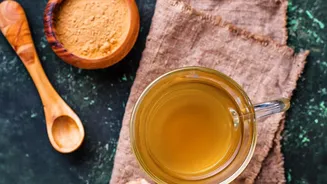
Creating a ginger compress at home is a straightforward process. You'll need about a golf-ball-sized piece of fresh ginger root, two quarts of water, a pot, a grater, and a couple of small cotton towels. 1. Prepare the Ginger: Finely grate the fresh ginger. You can wrap the grated ginger in a piece of cheesecloth or a thin cotton cloth, tying it into a small pouch. 2. Make the Infusion: Bring the water to a boil in the pot, then reduce the heat to a simmer. Add the ginger pouch to the water and let it steep for at least 10 minutes, allowing the water to become fragrant and infused. 3. Soak the Cloth: Turn off the heat. Carefully dip one of the cotton towels into the hot ginger water. 4. Wring and Apply: Using tongs or rubber gloves to protect your hands, wring out the excess water until the towel is damp but not dripping. Test the temperature on your forearm to ensure it's comfortably warm, not scalding. Place the warm towel on the target area, such as a sore back, stiff shoulder, or aching knee. Cover the wet towel with a dry one to help retain the heat.
Creating a Comfort Ritual
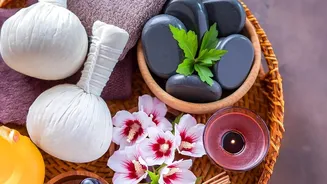
A ginger compress is most effective when it’s part of a dedicated moment of relaxation. Think of it not just as a treatment, but as a ritual. You can perform this practice for 15-20 minutes, re-soaking the cloth every 5 minutes or so as it cools. Many people find it beneficial for easing menstrual cramps, general muscle soreness, or the stiffness that comes from sitting too long. To elevate the experience, set a soothing environment before you begin. Dim the lights, play some calming music, and make sure you're in a comfortable position where you can rest undisturbed. Integrating this after a workout, before bed, or during a quiet weekend afternoon can transform a simple home remedy into a deeply restorative self-care practice. You can do this once or twice a day when pain is acute, or about once a week for general maintenance.
Important Safety Considerations
While generally safe, there are a few precautions to take. Always test the infused water on a small patch of skin, like your inner wrist, to check for both temperature and any potential skin sensitivity before applying the full compress. Avoid using a ginger compress on broken skin, open wounds, or areas with a rash. It's also advised to avoid this treatment if you have a high fever or are pregnant. Some traditional guidelines suggest not applying the compress directly over the spine. If you experience any significant irritation or an allergic reaction, you should discontinue use immediately.