



Understanding the Tentative List
Before celebrating a new UNESCO World Heritage Site, there's a crucial first step: the Tentative List. Think of it as a country's official inventory of properties it considers to have 'Outstanding Universal Value'. Inclusion on this list is a mandatory
prerequisite before a formal nomination can be submitted to the World Heritage Committee for consideration. It’s a declaration of intent, signalling that a country believes a site is worthy of global recognition and plans to prepare a detailed case for its inscription in the coming years. This process is meticulous and can often take a significant amount of time, sometimes years, to move from tentative inclusion to final inscription.
Chhattisgarh's Ancient Riverfront Metropolis
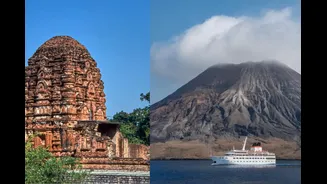
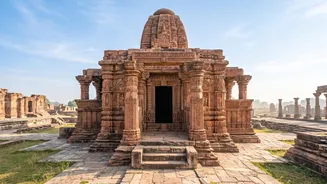
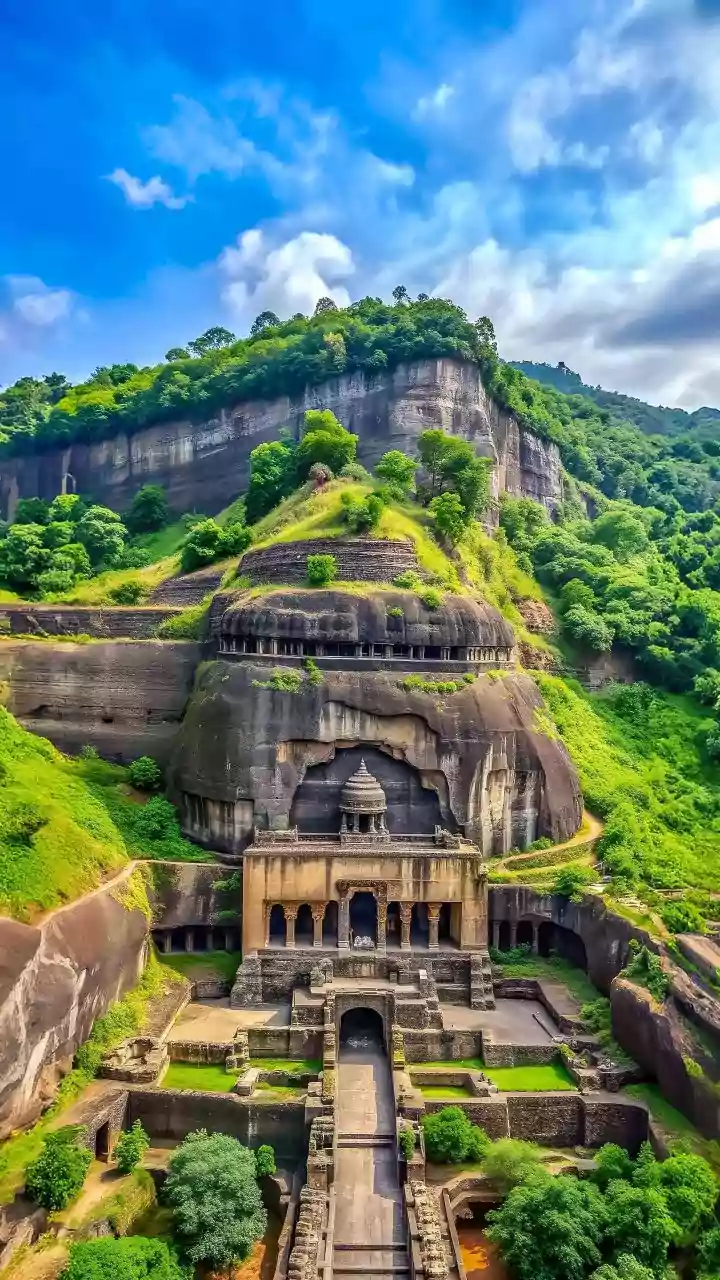
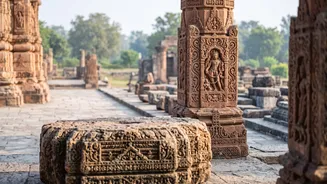
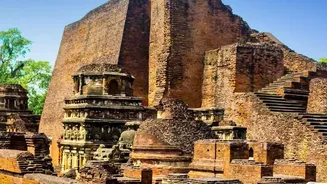
The landmark drawing attention in Chhattisgarh is the Sirpur Cultural and Archaeological Landscape. Located on the banks of the Mahanadi River, Sirpur was a sprawling and important centre from the 5th to the 12th centuries. Historically known as Shripura, it was a capital city under various dynasties and a hub of religious harmony, trade, and learning. The site's archaeological remains are vast, featuring a mix of Shaiva and Vaishnava Hindu temples alongside major Buddhist monasteries, known as viharas. One of its most famous structures is the 7th-century Lakshmana Temple, a remarkable and well-preserved brick temple dedicated to Vishnu. Sirpur's nomination highlights its significance as a multi-religious centre with unique architectural features, including the use of local fossilised stromatolite rocks in its construction.
Andaman's Geological Marvels
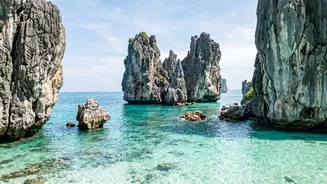
The Andaman and Nicobar Islands feature not one, but two new natural sites on the list. The first is the Karst-mud-volcano Complex of Baratang. This site is a unique combination of limestone karst caves with intricate formations and active mud volcanoes, which spew mud and natural gases instead of magma. These 'Jalkis', as they are known locally, are driven by tectonic pressure deep below the surface. The second site is the Andaman Subduction Volcanoes, which includes Barren Island and Narcondam Island. Barren Island is particularly notable as it holds India's only confirmed active volcano, a result of the Indian Plate subducting beneath the Burma microplate. Together, these sites offer a living laboratory for studying geological processes.
The Long Road to World Heritage Status
Getting onto the Tentative List is a moment of pride, but it marks the beginning, not the end, of the journey. For Sirpur and the Andaman sites to achieve full World Heritage status, the Indian government, through bodies like the Archaeological Survey of India (ASI), must prepare a comprehensive nomination dossier for each. This detailed document must rigorously prove the 'Outstanding Universal Value' of the site, comparing it with similar properties worldwide. The dossier is then submitted to UNESCO and evaluated by independent advisory bodies—ICOMOS for cultural sites like Sirpur, and IUCN for natural sites like those in the Andamans. These bodies conduct field missions and make recommendations to the World Heritage Committee, which makes the final decision at its annual meeting.