







The Sheer Scale of Ambition
A $20 billion investment is a figure that stops you in your tracks. While some reports suggest the final cost could climb even higher, this initial number represents one of the largest private economic development projects in Georgia's history. Dubbed
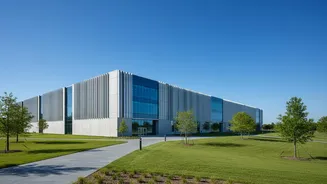
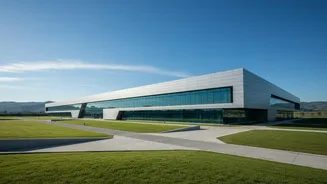
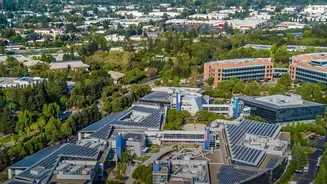
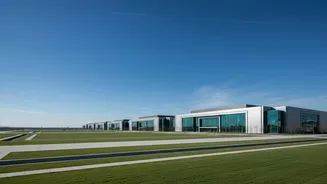
"Project Camellia," the proposed campus in Effingham County, near Savannah, would be built out in phases through 2032. This isn't merely a warehouse for servers; it's a ground-up development of a sprawling, multi-building ecosystem designed for one purpose: to power the future of artificial intelligence. The plan involves not just the buildings themselves but also the immense supporting electrical infrastructure required to run the next generation of AI models, which are becoming exponentially more complex and power-hungry.
The Insatiable Thirst for Power
The single biggest factor driving this project is the staggering energy requirement for modern AI. A single query on an advanced AI like ChatGPT consumes nearly ten times the power of a simple Google search. Scale that up to billions of daily prompts, plus the continuous energy drain of training even larger models, and you begin to see the problem. The Georgia campus has reportedly secured an agreement with Georgia Power for up to 3.2 gigawatts of electricity—an amount capable of powering over two million homes. This kind of power draw places immense strain on local energy grids. Recognizing this, the plan includes a sophisticated demand-response system where OpenAI will reduce its power consumption during peak hours to help stabilize the grid for all customers.
Why Georgia Is a Tech Hub
The decision to build in Georgia is no accident. The state has actively courted the tech industry with a combination of a favorable business climate, available land, and a robust telecommunications infrastructure. Major tech companies like Google and Meta already operate significant data centres in the state, creating a foundation for a broader tech ecosystem. For this project, Effingham County offered a significant 15-year property tax abatement. Even with this incentive, the OpenAI campus is expected to become the county's largest taxpayer, promising a dramatic reshaping of local finances.
The Promise of Jobs and Growth
For the local community, the promises are substantial. The project is projected to create thousands of construction jobs and, once fully operational, up to 1,000 permanent, high-paying jobs with six-figure salaries by 2032. Beyond direct employment, OpenAI has committed to an $80 million community benefits agreement to support local priorities such as schools, healthcare, and workforce training. There are also plans for partnerships with local colleges and technical schools to provide AI-related training and internships. This type of investment can be transformative for a rural county, potentially providing a pathway to eliminating local homestead property taxes for residents.
Balancing Progress and Pitfalls
However, large-scale data centre projects are not without controversy. The primary concerns revolve around environmental impact, particularly electricity and water usage, and the true net benefit to the community. While data centres create high-tech jobs, the number of permanent employees is often small relative to the enormous capital investment and physical footprint. Critics often point out that the massive tax breaks offered to tech giants shift the financial burden, and the strain on public resources like the power grid, onto existing residents and small businesses. OpenAI's proactive engagement, including commitments to fully fund its own infrastructure upgrades and host public feedback sessions, appears designed to address these concerns head-on, though the long-term impacts will remain a subject of intense local and national debate.