



The Two Faces of Cinnamon
The world of cinnamon is primarily split into two main categories: Ceylon and Cassia. What most of us in India and across the globe find in supermarkets is Cassia cinnamon. It's robust, spicy, and affordable, originating from countries like China and Indonesia.
If a product is simply labelled "cinnamon" without any other descriptor, it’s almost certainly Cassia. Ceylon cinnamon, on the other hand, is known as “true cinnamon.” Native to Sri Lanka and Southern India, it is a more premium, delicate, and expensive spice prized by chefs and food connoisseurs for its nuanced flavour. The two come from the bark of related, but distinct, trees, and their differences go far beyond price and origin.
A Tale of Two Barks
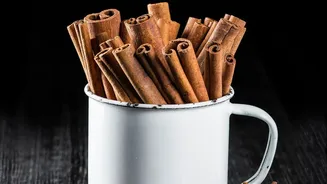
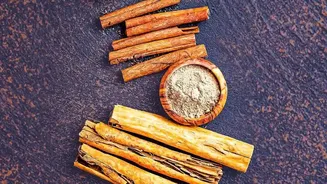
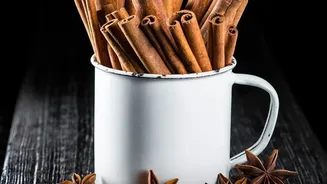
The most telling difference, as the headline suggests, is in the form of the cinnamon stick, or quill. Cassia cinnamon bark is thick, hard, and curls inward from both sides, forming a hollow, scroll-like stick. It's tough and can be difficult to break or grind at home. Ceylon cinnamon is entirely different. It’s composed of many paper-thin layers of inner bark that are painstakingly harvested by hand. These delicate layers are rolled together to form a soft, brittle quill that looks much like a cigar. This structure means Ceylon quills are fragile, light tan in colour, and can be easily crumbled or ground into a fine powder. The harvesting process itself is a traditional craft, often passed down through generations, contributing to its higher cost.
A World of Difference in Flavour
If Cassia’s flavour is a bold, spicy punch, Ceylon’s is a complex, aromatic dance. Cassia gets its strong, fiery taste from a high concentration of an essential oil compound called cinnamaldehyde. Its flavour is intense and what most people associate with the classic 'cinnamon' profile, making it suitable for dishes that require a strong spicy note. Ceylon cinnamon has a much milder, sweeter, and more delicate flavour. It has notes of citrus and florals, which allows it to complement other ingredients without overpowering them. This makes it the preferred choice for sophisticated desserts, pastries, and beverages where a more refined and subtle warmth is desired.
The Health Question: What is Coumarin?
Perhaps the most critical difference for those who consume cinnamon regularly is the content of a natural compound called coumarin. While naturally present in many plants, high doses of coumarin have been linked to potential liver issues. Cassia cinnamon contains a significant amount of coumarin, with some measurements showing it can have up to 250 times more than Ceylon. European health authorities have set a tolerable daily intake for coumarin, which can be exceeded with just a teaspoon or two of Cassia powder. In contrast, Ceylon cinnamon contains only trace amounts of coumarin, making it a much safer choice for daily consumption or for those who use cinnamon for its potential health benefits.
From Market to Your Kitchen
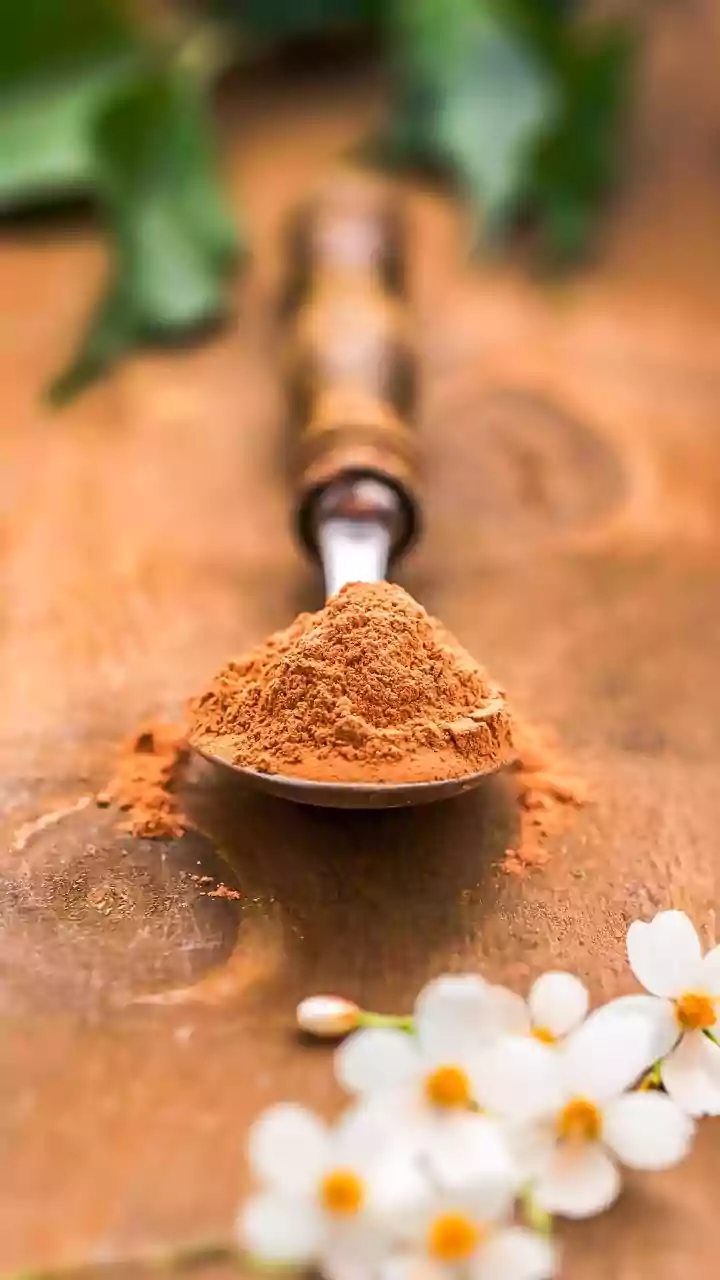
Ready to make the switch? When shopping, look for packaging that explicitly states “Ceylon cinnamon” or “true cinnamon.” In stick form, the visual difference is your best guide: look for the multi-layered, cigar-like quills that are light brown and fragile. Cassia will be darker, harder, and have a hollow, single-layer structure. For ground powder, it's harder to tell visually, but Ceylon is typically a lighter, tan colour compared to the reddish-brown of Cassia. While it commands a higher price, its superior flavour and lower coumarin content make it a worthy investment for any serious home cook or health-conscious consumer.