



The Sacred Start: Bhoger Khichuri
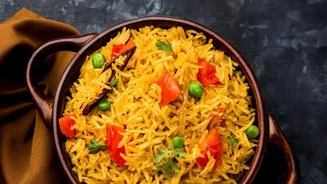
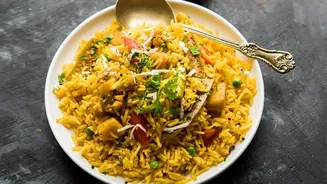
The Pujo food trail begins with a divine offering: the bhog. Served at community pandals, this sacred meal is a symbol of togetherness and devotion. The star of the show is the bhoger khichuri, a fragrant, runny preparation of Gobindobhog rice and roasted
moong dal, cooked without onion or garlic. It's typically served with labra, a delicious mishmash of seasonal vegetables tempered with panch phoron (a five-spice blend), alongside beguni (eggplant fritters), a sweet tomato chutney, and payesh (rice kheer). This simple, sattvic meal, first offered to the goddess and then distributed to thousands, embodies the community spirit of the festival.
The Streets Come Alive: A Snacking Frenzy
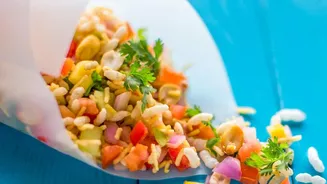
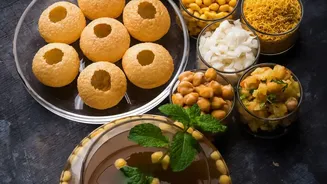
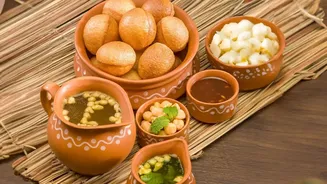
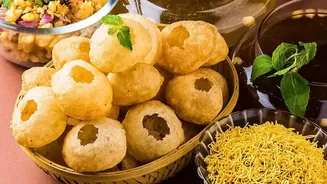
As evening descends, the focus shifts from the pandals to the streets, which morph into a sprawling, open-air food court. Pandal hopping is incomplete without frequent stops for snacks. The undisputed king is the phuchka, Kolkata's beloved version of pani puri, with its tangy, spicy water and potato filling. Following closely are Kolkata's iconic rolls—flaky parathas wrapped around fillings of egg, chicken, or mutton, seasoned with onions and sauces. Then there are the chops and cutlets, from the crumb-fried bhetki fish fry to the minced-meat kobiraji with its delicate, lacy egg coating. The air is thick with the sizzle of chowmein and the aroma of jhalmuri, a puffed rice snack that is perfect for eating on the go.
A Tale of Two Cities: North vs. South
The food trail varies as you travel across the city's geographical and cultural divide. North Kolkata, with its heritage homes and traditional pandals in areas like Shyambazar and Bagbazar, is the hub for old-school flavours. Here, you'll find legendary but unassuming shops serving heavenly kosha mangsho (slow-cooked mutton curry) with luchi or parathas. In contrast, South Kolkata, around Deshapriya Park, Maddox Square, and Ballygunge, offers a more contemporary experience, with trendy cafes and restaurants sitting alongside classic street food stalls that operate well past midnight. This part of the city is known for its energetic vibe and vast, open-air food zones that cater to the massive crowds.
The Unexpected Star: Biryani's Reign
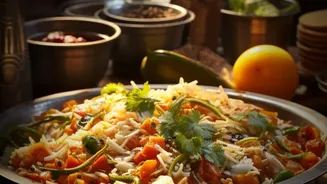
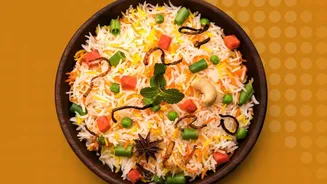
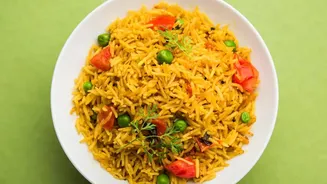
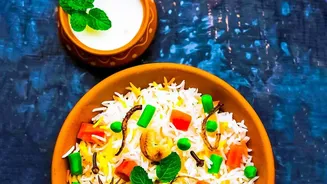
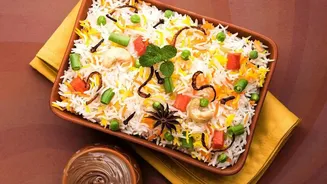
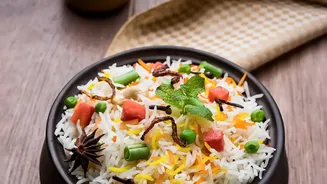
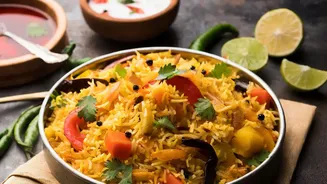
While many associate fasting with Navratri in other parts of India, Kolkata feasts. And surprisingly, one of the most sought-after dishes during Durga Puja is biryani. The city's unique style of biryani, fragrant with kewra and featuring a signature potato and tender meat, becomes a celebratory meal for families and friends. Iconic establishments in areas like Park Circus see massive queues, and many pandals even have dedicated biryani counters. It has become so integral that for many, a Pujo celebration is incomplete without at least one hearty meal of biryani, signifying abundance and festivity.
A Sweet Conclusion: The Taste of Bijoya
No Bengali festival is complete without mishti (sweets). During Pujo, sweet shops are overflowing with classics like rosogolla, sandesh, and mishti doi. The celebration culminates with Bijoya Dashami, when friends and family visit each other's homes to exchange greetings and share sweets, a tradition known as 'Bijoyar Mishtimukh'. Special sweets like narkel naru (coconut laddoos) and chandrapuli (a crescent-shaped sweet made of coconut and kheer) make an appearance, marking a sweet end to the festivities and symbolising goodwill for the year ahead.