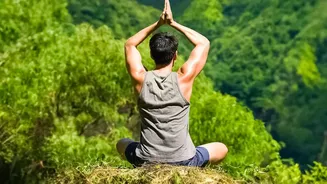







The Power of Your Breath
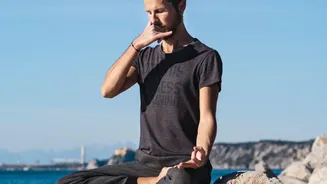
At its core, mindful breathing is about shifting from the shallow, often unnoticed chest breathing we do daily to a deeper, more intentional form called diaphragmatic or 'belly' breathing. This technique involves using your diaphragm, the large muscle
at the base of your lungs, to take full, slow breaths. This simple shift has profound effects. It activates the parasympathetic nervous system, which is your body’s 'rest and digest' mode. This process helps slow your heart rate, lower blood pressure, and reduce levels of the stress hormone cortisol, promoting a sense of calm.
Why Hiking Is the Perfect Partner for Mindful Breathing
The rhythmic nature of walking makes it an ideal activity to pair with patterned breathing. You can synchronize your breath with your steps—for instance, inhaling for three steps and exhaling for three steps—to create a steady, meditative rhythm. This practice not only keeps you calm and focused but can also improve your hiking efficiency by ensuring your muscles get a consistent supply of oxygen. The natural environment of a trail, away from daily distractions, further enhances the experience, allowing you to focus on the simple sensations of your body moving and breathing. This combination turns a simple hike into a holistic mind-body practice.
A Simple Breathing Technique for the Trail
You don't need special training to start. While hiking on a flat or gently rolling section of trail, try this simple technique. Begin by walking at your natural pace. Place a hand on your belly to feel the movement. Inhale slowly and deeply through your nose, feeling your belly expand like a balloon. Your chest should remain relatively still. Then, exhale slowly through your mouth or nose, feeling your belly fall. Try to make your exhale slightly longer than your inhale. You can count your steps to create a rhythm: inhale for three or four steps, then exhale for four or five steps. The goal isn't rigidity, but finding a comfortable, calming pattern.
Tips for a Mindful Walk
To get the most out of your mindful hike, start slow. Don't try to force the breathing pattern for your entire walk. Begin with five-minute intervals and gradually increase the duration as it feels more natural. Pay attention to your posture; a straight back helps open up your diaphragm. If you find yourself getting breathless on an uphill section, it's okay to revert to mouth breathing to get more air, but return to slow, nasal breathing when the terrain levels out. The key is to remain aware of your breath without judgment, gently bringing your focus back whenever your mind wanders.
A Wellness Tool, Not a Medical Treatment
It's important to understand that using slow breathing on a hike is a powerful mindfulness tool for managing everyday stress and enhancing well-being. Studies show that even brief sessions of controlled breathing can significantly reduce feelings of stress and anxiety. However, it is not a substitute for professional medical treatment. While it can help manage symptoms of anxiety or depression, it is not a cure. Think of it as a form of mental fitness—a healthy habit that builds resilience over time. If you are struggling with a serious physical or mental health condition, it is essential to consult with a healthcare professional.