




The Ancient Grain Making a Modern Comeback
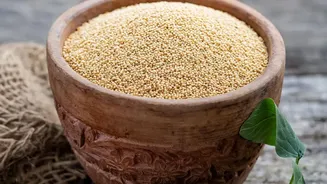
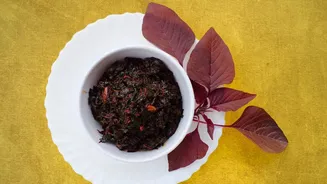
Amaranth, known in India as rajgira or ramdana, isn’t technically a grain but a “pseudocereal” cultivated for over 8,000 years. Revered by the Aztecs, it has recently regained popularity worldwide as a superfood. Unlike wheat or rice, amaranth is naturally
gluten-free and boasts a unique nutritional profile. It's often consumed during fasts in India, but its benefits are so profound that it deserves a place on the daily menu, particularly as a breakfast food to start the day with a nutrient-dense foundation. Its mild, nutty flavour makes it a versatile ingredient that can be easily incorporated into various dishes.
A Powerhouse of Bone-Building Nutrients
When it comes to bone health, we often hear about calcium. Amaranth is an excellent plant-based source of this vital mineral. But strong bones require more than just calcium. Amaranth delivers a powerful combination of minerals crucial for skeletal strength. It is exceptionally rich in magnesium, phosphorus, and manganese. One cooked cup provides nearly half of your daily magnesium needs and over 100% of your daily manganese. Magnesium is essential as it helps the body absorb and utilize calcium effectively, while phosphorus is a key building block of the bone matrix itself. This combination makes amaranth a more holistic source for bone nutrition than many single-nutrient foods.
The Key Development: Nutrient Synergy
The “key development” in understanding amaranth's power lies in the concept of nutrient synergy. It’s not just the presence of individual minerals, but how they work together. Amaranth is a complete protein, meaning it contains all nine essential amino acids, including lysine. This is significant because lysine, which is often lacking in other grains, plays a crucial role in helping your body absorb calcium and build collagen, the protein framework of your bones. This synergy—a complete protein profile combined with high levels of calcium, magnesium, and phosphorus—is what makes amaranth so effective for bone health. The growing scientific appreciation for how these compounds work in concert is the real breakthrough.
Unlocking Amaranth's Full Potential
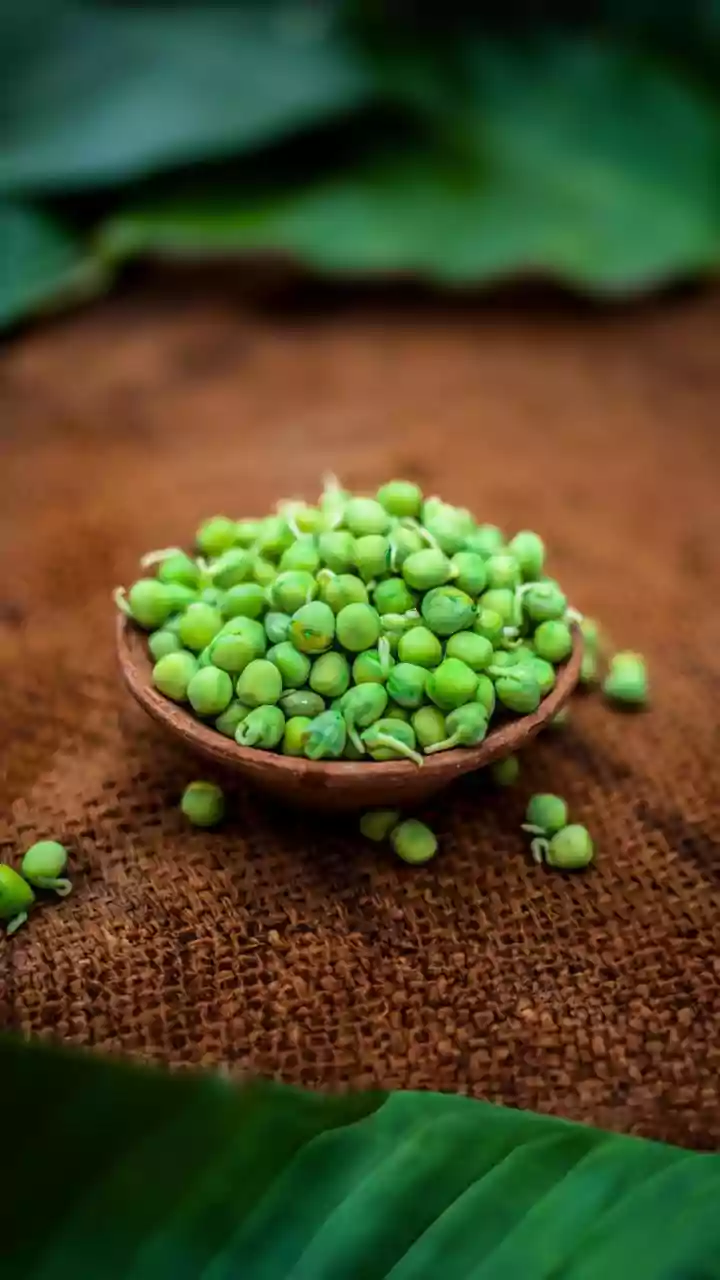
To get the most out of amaranth, a little preparation helps. Like many seeds and grains, amaranth contains compounds like phytates and oxalates that can slightly hinder the absorption of minerals. However, simple traditional methods like soaking the grains overnight before cooking, sprouting, or fermenting can significantly reduce these anti-nutrients. This process enhances the bioavailability of its impressive mineral content, meaning your body can absorb and use more of the good stuff. Even popping the grains, a common practice in India, can alter the nutritional profile and improve digestibility, making this ancient grain even more beneficial for the modern diet.
Making Amaranth a Delicious Breakfast Staple
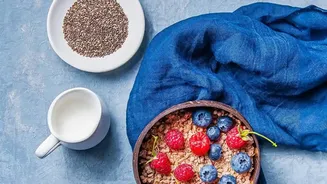
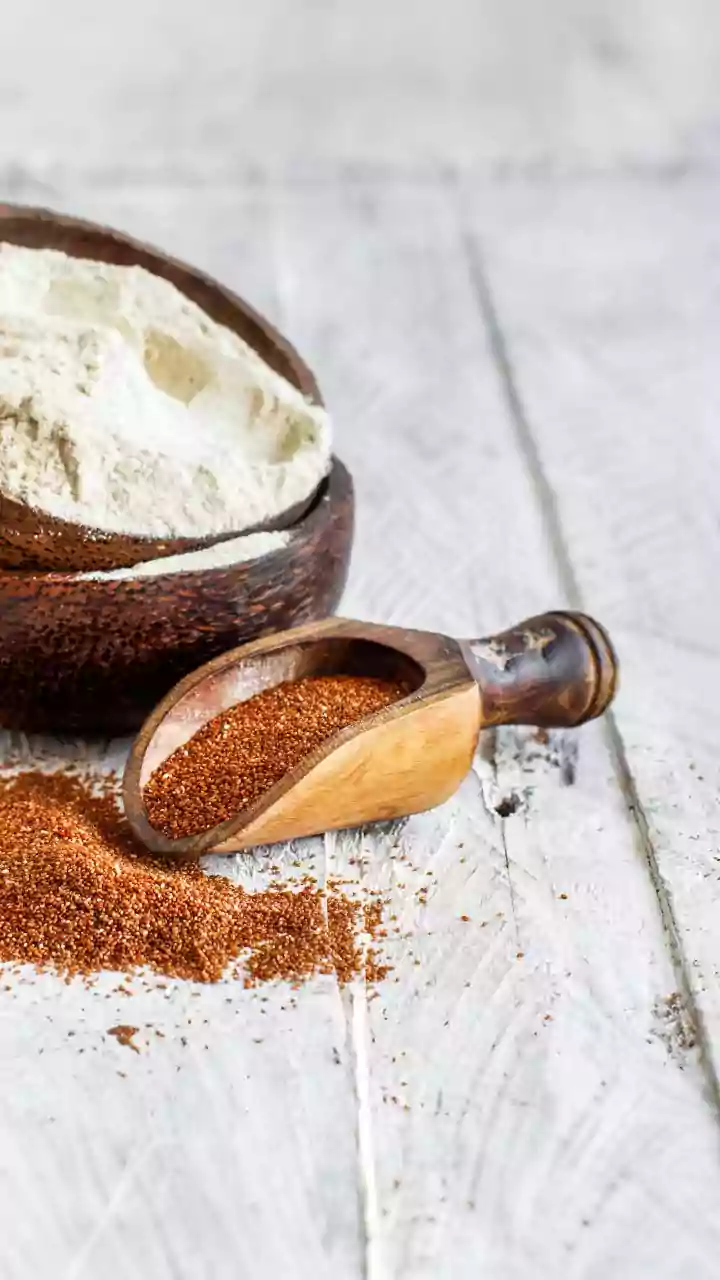
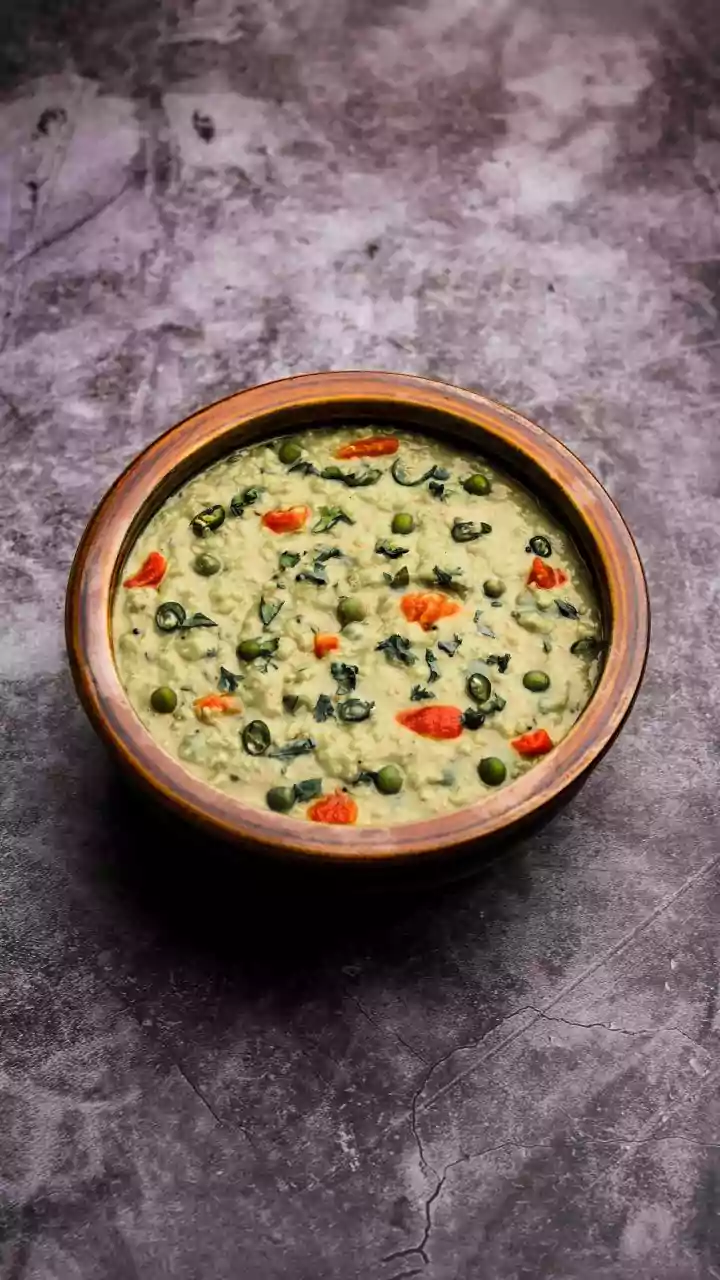
Incorporating amaranth into your breakfast routine is simple and delicious. You can cook it into a creamy porridge, similar to dalia or oatmeal, and top it with fresh fruits, nuts, and a drizzle of honey. The flour can be used to make nutritious rotis or pancakes. You can also add popped amaranth to your yogurt or smoothies for a crunchy, protein-packed boost. For a quick on-the-go option, amaranth can be used in homemade energy bars or laddoos, often made with jaggery and ghee. Its versatility ensures that you can enjoy its benefits without getting bored, making it a sustainable addition to your diet for long-term bone health.