




The Unsung Hero of the Spice Box
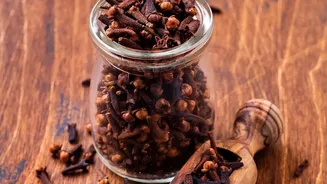
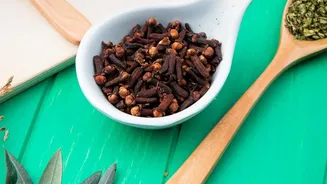
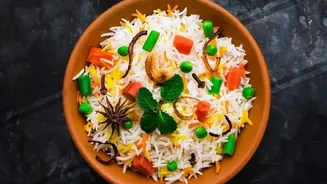
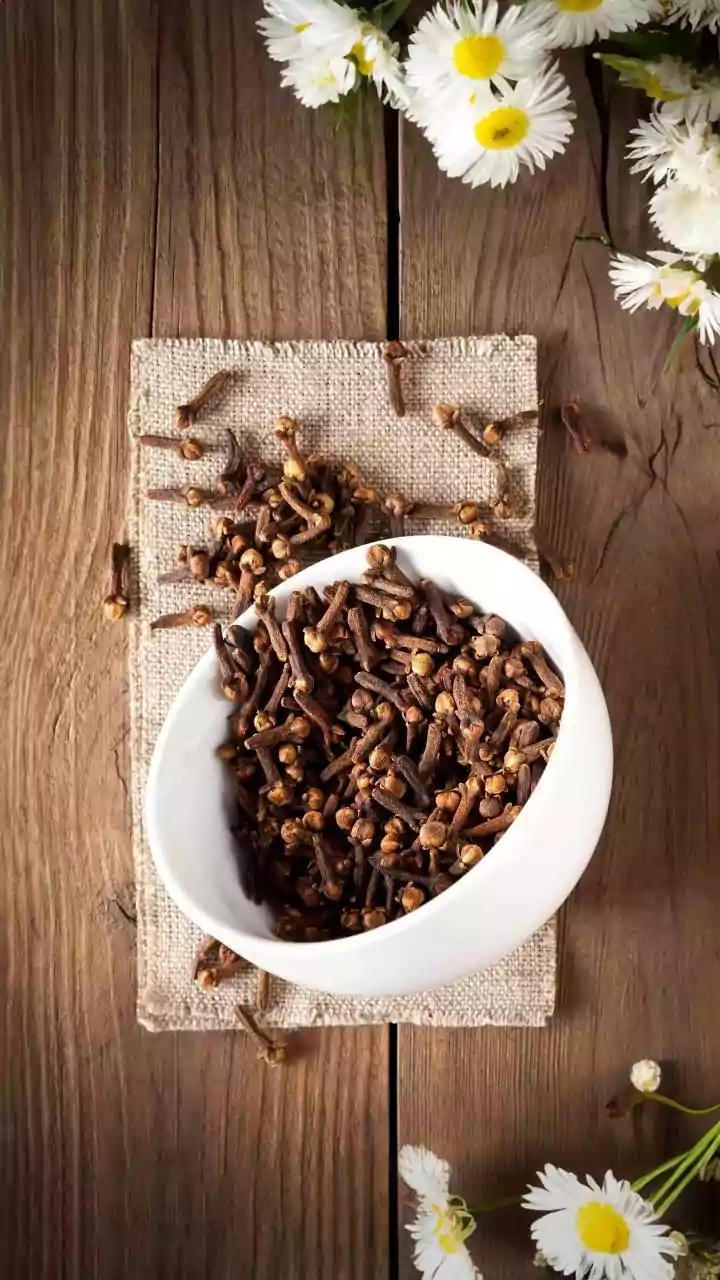
In the vibrant world of Indian spices, clove, or laung, is a powerhouse. Known for its intense aroma and potent flavour, this small, nail-shaped dried flower bud has been a cornerstone of our cuisine for centuries. It’s a key player in garam masala, a fragrant
component in biryanis and pulaos, and a warming note in masala chai. While celebrated in these iconic dishes, its ability to transform simpler, everyday preparations like a vegetable stew is often overlooked. With a flavour profile that is simultaneously sweet, warm, peppery, and slightly bitter, a clove adds a layer of complexity that is hard to replicate. Its magic lies in its ability to lend a sophisticated, warming background note that makes the entire dish feel more complete and satisfying.
The Science of Warmth: Meet Eugenol
The characteristic aroma and taste of clove come from a powerful chemical compound called eugenol. This essential oil is responsible for the warm, spicy, and slightly sweet notes that define the spice. When you add a clove to your stew, the heat gently coaxes out the eugenol, allowing it to infuse the broth. Unlike sharper spices that sit on the surface, eugenol provides a deep, resonant warmth that permeates the entire dish. It has a unique ability to cut through the richness of root vegetables and creamy sauces, adding a contrasting note that brightens and balances the overall flavour. This is why even a single clove can make a stew taste richer and more complex without making it overtly “spicy.”
The Golden Rule: Less Is More
The most common mistake when cooking with cloves is using too many. Their flavour is so potent that it can easily dominate a dish, leaving a harsh or even medicinal aftertaste. For a standard family-sized pot of vegetable stew, one or two whole cloves are all you need to add remarkable depth. The trick is to use whole cloves, not ground powder. Ground cloves release their flavour all at once and can create a dusty texture, whereas whole cloves provide a slow, gentle infusion. Add the cloves early in the cooking process, blooming them in hot oil or ghee along with other whole spices like cinnamon or bay leaves for about 10-20 seconds before adding your onions. This awakens their aromatic oils and ensures the flavour is layered beautifully throughout the stew.
Perfect Pairings and Easy Removal
Cloves have a special affinity for certain vegetables, enhancing their natural sweetness and earthiness. They pair wonderfully with root vegetables like carrots, sweet potatoes, and pumpkin. The warmth of the clove balances the sweetness of these vegetables, creating a more dynamic flavour profile. It also works well with the foundational flavours of onion and tomato. If you're concerned about someone accidentally biting into a whole clove—an intensely unpleasant experience—there's a simple solution. You can stud a small, peeled onion with your two cloves and drop the entire thing into the pot. The onion will soften and release its own flavour, while the cloves infuse the broth. Before serving, simply find and remove the onion, and the cloves come out with it.