




The Backbone of Industry
Beyond electricity, coal is a fundamental raw material for India's industrial ambitions. The steel sector, for instance, is critically dependent on a specific type called coking coal. It's an essential ingredient in the blast furnace process to produce
steel, which in turn builds everything from cars to construction beams. India is the world's second-largest steel producer, but it relies heavily on imports for its coking coal needs. As the country aims to expand its steel production capacity, the demand for this specific type of coal is projected to rise significantly. Similarly, the cement industry, another pillar of India's infrastructure push, is a major coal consumer. Coal provides the intense heat required to produce clinker, the primary component of cement. Without a steady and affordable supply of coal, the cost of building roads, bridges, and housing would escalate dramatically.
The Engine of Indian Railways
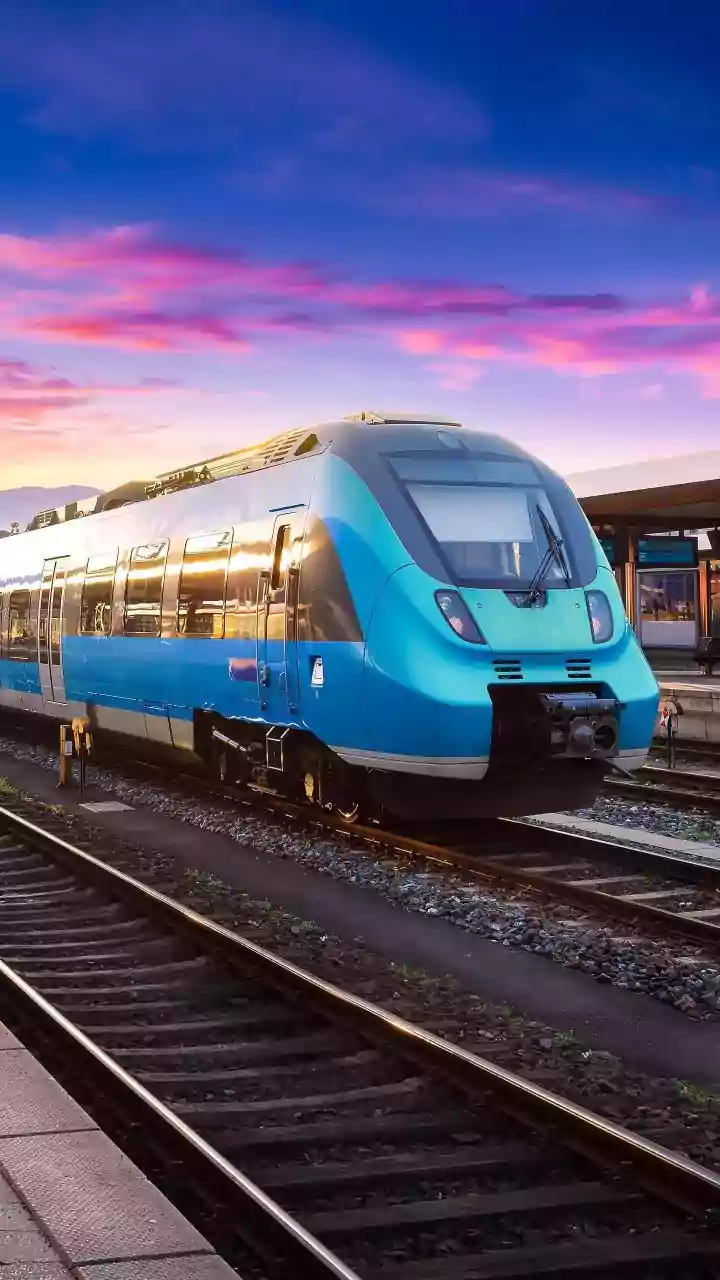
Indian Railways, one of the world's largest rail networks, has a deeply symbiotic relationship with coal. The transportation of coal is the single largest source of freight revenue for the railways, accounting for nearly half of its freight earnings. This revenue is crucial as it effectively subsidises passenger travel, helping to keep ticket prices affordable for millions of people. Any significant shift away from coal would pose a major financial challenge to the railways, which already operates on thin margins. The system is a loop: mines produce coal, which is transported by trains to power plants and factories, and the money earned from this transport helps run the passenger network. This interdependency means that coal's future is directly tied to the financial health of a critical national lifeline.
A Vast Web of Employment
The coal industry is more than just mines; it's a massive ecosystem for jobs. The sector provides direct employment to hundreds of thousands of people, from miners and engineers to technicians and administrative staff. Beyond that, it supports a vast number of indirect jobs. Think of the truck drivers who transport coal from pitheads to rail yards, the workers in small workshops that service mining equipment, and the countless small businesses that thrive in mining towns. In many coal-rich regions, the local economy is almost entirely dependent on the mine's operations. While the transition to a greener economy is a long-term goal, for these communities, coal represents immediate livelihood and stability. This makes any policy shift a complex socio-economic issue, not just an environmental one.
The Financial and Geopolitical Stakes
India's push for self-reliance in energy has major financial and geopolitical dimensions. By boosting domestic coal production, the country aims to reduce its dependency on imported fuel, which saves valuable foreign exchange. Although India still needs to import high-grade coking coal for its steel industry, increasing the output of thermal coal for power and other industries strengthens its energy security. The government's strategy also involves financial reforms, such as creating a coal exchange to establish a more transparent and market-driven trading system. This move is designed to make the domestic market more efficient as India transitions from a scenario of coal scarcity to a surplus. The continued investment in coal infrastructure, from mines to transport links, also involves significant capital from both public and private financial institutions, tying the banking sector to the fossil fuel's future.