



What is the New Scheme?
The Telangana government has officially launched the 'Telangana Auto Rickshaw Electric Conversion Scheme-2026', a significant policy aimed at cleaning up urban transport. At its heart is a Rs 200 crore fund dedicated to converting existing petrol and
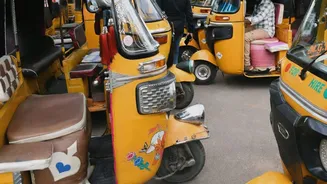
diesel auto-rickshaws into electric vehicles (EVs). The initiative specifically targets 18,766 auto-rickshaws currently operating in Hyderabad's Core Urban Region Economy (CURE) area. This move is part of the state's broader 'Telangana Rising Vision–2047' and aims to tackle two major issues at once: reducing air and noise pollution in the capital and lowering the daily operational expenses for thousands of auto drivers burdened by rising fuel prices.
Two Paths to an Electric Future
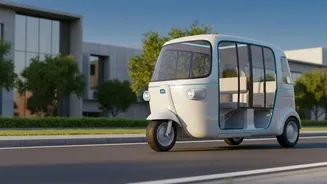
The scheme offers auto drivers two distinct choices to make the transition as flexible as possible. The first option is retrofitting. Drivers who wish to keep their current vehicle's chassis can have it converted to an electric one using an approved kit. The government will provide financial assistance of up to Rs 1.50 lakh, or the actual cost of the conversion, whichever is lower. The second option is to purchase a completely new electric auto. For this, drivers must surrender their old petrol or diesel vehicle and buy a factory-manufactured, type-approved electric three-wheeler. In this case, a fixed subsidy of Rs 1.50 lakh will be provided, which will be deducted directly from the on-road price by the empanelled dealer, simplifying the process for the beneficiary.
The Focus on 'Approved' Systems
A key detail of the policy is its insistence on using 'approved' kits and vendors. For retrofitting, only electric kits that meet the AIS-123 standard can be used, and they must be installed by government-empanelled technicians. This regulation is crucial for ensuring the safety, reliability, and performance of the converted vehicles. It prevents the use of substandard components that could pose a risk to both drivers and passengers. Furthermore, the scheme allows beneficiaries to choose between fixed battery systems, which are charged in the vehicle, and swappable battery systems. The latter allows drivers to quickly exchange a depleted battery for a fully charged one at a swapping station, minimizing downtime and keeping them on the road longer.
How the Rs 200 Crore Fund Works
The substantial Rs 200 crore budget has been pooled from multiple sources to ensure wide-reaching support. The funds will be drawn equally from the SC, ST, BC, and Minority Welfare departments, with each contributing Rs 50 crore. However, transport officials have clarified that the scheme will be available to all eligible auto-rickshaw owners within the CURE region, irrespective of their social category. To ensure transparency and effective execution, a three-tier monitoring system is being established. This includes a state-level steering committee, a scheme implementation committee, and district-level sanction committees headed by collectors, which will oversee the process from policy to ground-level implementation.
Impact on Drivers, Commuters, and the City
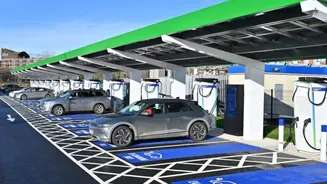
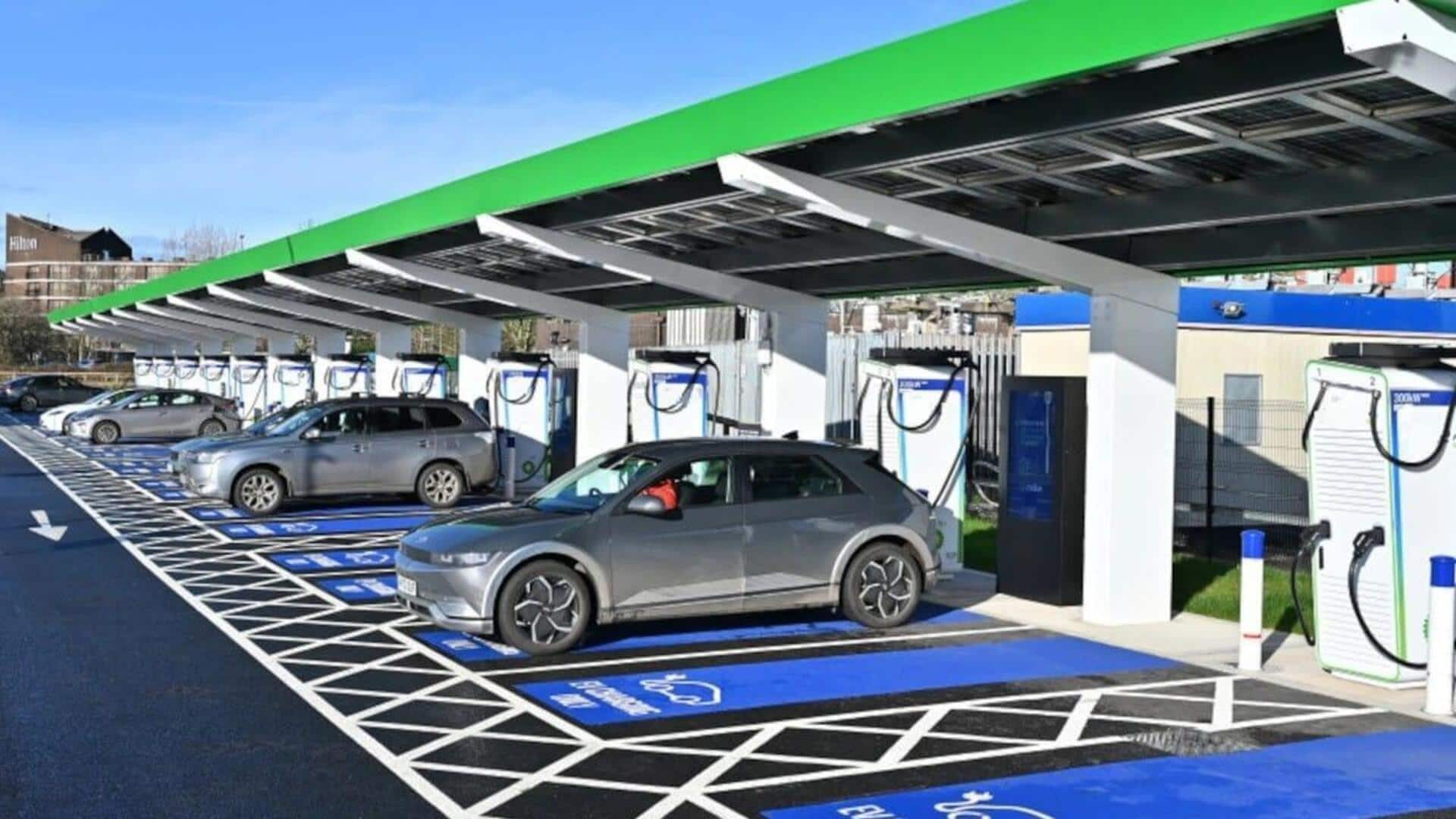
This policy stands to be a game-changer for Telangana's urban landscape. For auto drivers, the primary benefit is economic. Switching to electricity significantly reduces daily expenditure on fuel, potentially leading to higher net earnings and a more stable livelihood. For commuters and residents, the shift promises quieter streets and cleaner air, contributing to a healthier urban environment and helping Hyderabad move towards its net-zero carbon emission goals. By kickstarting the conversion of nearly 19,000 vehicles, the government also hopes to stimulate a local ecosystem for EV manufacturing, servicing, and charging infrastructure, which aligns with its long-term industrial and environmental objectives outlined in the state's EV Policy for 2020-2030.