



Understanding Your Light Source
Before you can choose the right plant, you need to become a detective of the light in your own home. The four cardinal directions—north, south, east, and west—each provide a different type and intensity of sunlight throughout the day. Direct light means
unfiltered sunbeams are hitting the plant's leaves. Indirect light is the softer, ambient brightness in a room, often filtered by a curtain or bounced off a wall. A plant that loves the intense, direct sun of a south-facing window will scorch in a west-facing one, while a low-light lover perfect for a northern exposure will fail to thrive in the east. Observing the light in your space at different times of the day is the first step to ensuring your new plant baby thrives.
North-Facing Windows: The Low-Light Champions
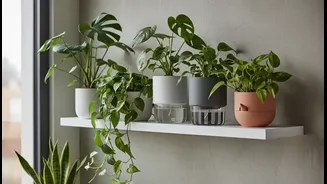
North-facing windows provide the least amount of light. They offer gentle, indirect light throughout the day with no direct sunbeams. This makes them ideal for plants that evolved on forest floors, living under the canopy of larger trees. However, "low-light" does not mean "no-light"; these spots are perfect for plants that are appreciated for their foliage rather than their flowers. Be especially careful not to overwater plants in these locations, as the soil will take much longer to dry out. Great for: Snake Plant (Sansevieria), ZZ Plant (Zamioculcas zamiifolia), Pothos, Peace Lily (Spathiphyllum), and Cast Iron Plant. These are notoriously tough plants that tolerate lower light conditions exceptionally well.
East-Facing Windows: The Gentle Morning Sun
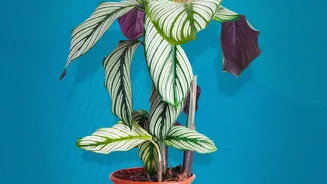
East-facing windows are often considered the sweet spot for many houseplants. They receive several hours of bright but gentle direct morning sun, which is less intense than the afternoon sun. For the rest of the day, they are bathed in bright, indirect light. This balanced environment suits a wide variety of tropical plants, including many flowering ones that need a bit of direct sun to produce blooms but would be scorched by harsher light. It's an ideal location for plants that are labelled as needing "medium" or "bright indirect" light. Great for: Philodendron, Monstera, Prayer Plant (Maranta), Dracaena, and many Ferns like the Bird's Nest Fern. Even a Tulsi (Holy Basil) plant can do well near an east-facing window.
South-Facing Windows: For the Sun Worshippers
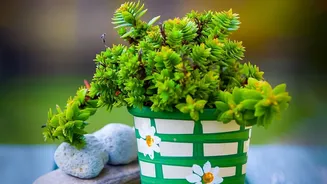
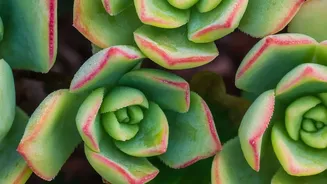
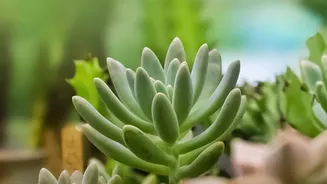
In the Northern Hemisphere, a south-facing window is the sunniest and brightest spot you can offer a plant. It provides strong, direct light for most of the day. This is the perfect home for sun-loving plants that thrive in desert or very bright tropical conditions. Think of plants with thick, fleshy leaves designed to hold water and withstand intense sun. Weaker-leafed plants will likely get sunburned here unless the light is filtered through a sheer curtain. Remember that plants in these windows will need more frequent watering as the soil will dry out very quickly. Great for: Cacti, succulents like Aloe Vera and Jade Plant, Croton, Hibiscus, and Bird of Paradise.
West-Facing Windows: The Afternoon Heat
West-facing windows provide bright, indirect light for most of the day, followed by several hours of intense, direct sun in the late afternoon and evening. This afternoon sun can be very hot and may scorch delicate plants. This spot is best suited for sun-loving, heat-tolerant plants that can handle the intensity. If you find the light is too strong for your chosen plant, you can move it back a few feet from the window or use a sheer curtain to diffuse the powerful rays. Many plants that do well in south-facing windows can also adapt to a western exposure. Great for: Snake Plant, Rubber Tree (Ficus elastica), Jade Plant, Kalanchoe, and some succulents. Bromeliads also enjoy the filtered afternoon light of a west-facing window.