




Understanding Your Hair Type
Before diving into oiling, it's crucial to know what you're working with. Fine hair refers to the diameter of each individual strand—it's smaller and more delicate than coarse hair. This makes it more susceptible to being weighed down by heavy products.
Low-porosity hair, on the other hand, has a tightly packed outer layer, or cuticle. This structure makes it difficult for moisture and products to penetrate the hair shaft, often causing them to sit on the surface instead of being absorbed. For these hair types, the goal is to find nourishing products that are light enough to be effective without causing buildup.
Why 'Less Is More' Is the Golden Rule
The biggest fear for anyone with fine or low-porosity hair is a greasy, flat look. This happens when you use too much oil or the wrong kind. Heavy oils will cling to delicate strands, pulling them down and eliminating any volume. For low-porosity hair, excess oil simply sits on top, creating a slick residue. Using just a few drops—sometimes as little as a pea-sized amount—is often enough to provide benefits like reduced frizz, added shine, and protection without the negative side effects. Starting with a minimal amount allows you to nourish your hair effectively while maintaining its natural body and freshness.
Choosing the Right Lightweight Oils
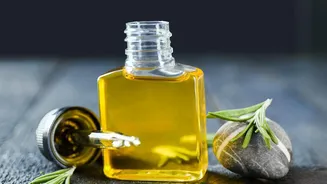
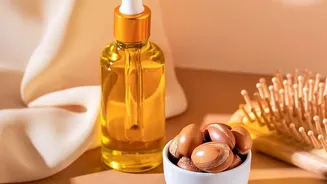
Not all oils are created equal, and for these hair types, lightweight is non-negotiable. Heavy oils like castor and unrefined olive oil should generally be avoided as they will weigh the hair down. Instead, opt for oils with smaller molecules that can be absorbed more easily. Top choices include: Argan Oil, which is celebrated for its ability to add shine and softness without feeling heavy. Grapeseed Oil is another excellent, non-greasy option that is particularly well-suited for hair that resists absorption. Jojoba Oil is structurally similar to the scalp's natural sebum, making it a great choice for balancing the scalp without clogging pores. Sweet Almond Oil is also light and packed with vitamins, offering nourishment and shine.
Mastering the Art of Application
How you apply the oil is just as important as which one you choose. For fine and low-porosity hair, a pre-shampoo treatment is often the best method. Apply one or two drops of oil to dry hair, focusing only on the mid-lengths and ends, and leave it in for at least an hour before showering. This allows the hair to absorb the nutrients without leaving a greasy residue after washing. When you do wash, a double cleanse can be helpful; the first shampoo breaks down the oil, and the second washes it away completely. If using oil after washing, apply a tiny amount to damp, not wet, hair to seal in moisture and tame frizz. Always warm the oil between your palms first for a more even distribution.
Common Mistakes to Avoid
To ensure your oiling journey is a success, steer clear of a few common pitfalls. First, avoid applying oil directly to your roots or scalp unless you are doing a specific, short-term scalp treatment that you plan to wash out thoroughly. This is the quickest way to get greasy, weighed-down hair. Another frequent error is simply using too much product. Always start with the smallest possible amount and only add more if absolutely necessary. Finally, leaving oil in for too long, like overnight, can sometimes be counterproductive for these hair types, potentially leading to clogged follicles and buildup. A treatment of one to two hours is often sufficient.