





What the New Study Revealed
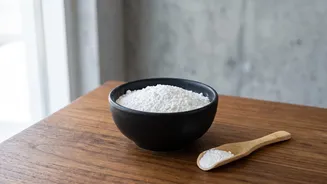
Researchers at Texas A&M University investigated the effects of creatine on healthy adults between the ages of 45 and 65. Over 12 weeks, they divided participants into groups: some took a daily 10-gram dose of creatine monohydrate, while others took a placebo.
These groups were further split into those who followed a structured exercise program and those who did not. The results were surprising. The non-exercising participants who took creatine gained approximately 1.1 kg (about 2.4 pounds) of lean tissue and also showed improvements in their leg press and bench press strength. Meanwhile, those who combined creatine with exercise saw even greater benefits, including more significant strength gains and a larger reduction in body fat percentage.
How Creatine Works Its Magic
Creatine isn't a foreign substance; it's a compound your body naturally produces in the liver, kidneys, and pancreas. About 95% of it is stored in your muscles, where it plays a critical role in energy production. It helps regenerate adenosine triphosphate (ATP), which is the primary fuel for muscle contractions during short, intense efforts. When you supplement with creatine, you essentially top up these energy reserves, allowing for enhanced performance. But its benefits may not stop there. Creatine is also osmotically active, meaning it draws water into muscle cells. This process, known as cell volumization, is thought to be a signal for the muscle to grow and may help reduce protein breakdown. This hydrating effect is likely responsible for some of the initial weight gain and increase in lean mass seen in studies, even without exercise.
The 'No Workout' Context Is Key
It's crucial to understand what "without structured workouts" really means. The participants in the study were not necessarily building significant new muscle from scratch while sitting on the couch. The study focused on middle-aged adults, a group where preventing age-related muscle loss, known as sarcopenia, is a major health priority. The findings suggest creatine can be a valuable tool for muscle preservation and strength maintenance in individuals who are less active or unable to engage in regular resistance training. However, the researchers and other experts are clear: creatine is not a replacement for exercise. The study itself showed that the group who exercised and took creatine achieved the best results. Progressive overload from resistance training remains the most powerful stimulus for muscle growth.
Who Is This Really For?
The results from this Texas A&M study are particularly promising for middle-aged and older adults concerned about maintaining their strength and mobility as they age. For this demographic, creatine could be a supportive supplement to help preserve lean mass, especially during periods of lower activity. Previous research has also explored creatine's role in attenuating muscle loss during periods of forced inactivity, such as recovery from an injury that requires immobilization. While some studies on immobilization have yielded mixed results, the potential for creatine to support muscles during periods of disuse is an active area of research. This new study strengthens the case for creatine as a supplement that benefits more than just high-performance athletes.
Beyond Muscle: Other Potential Benefits
The conversation around creatine is expanding beyond the gym. Because the brain is an energy-hungry organ, researchers are also investigating creatine's potential cognitive benefits. Some studies, including this recent one, have noted improvements in tasks related to memory and reaction time among those taking the supplement, though researchers describe these findings as exploratory and in need of more investigation. As one of the most extensively studied supplements on the market, creatine has a strong safety profile, with clinical trials showing side effect rates similar to placebo. This growing body of evidence suggests it may have a place in a broader wellness strategy focused on healthy aging.