






A Promising Habitable Zone World
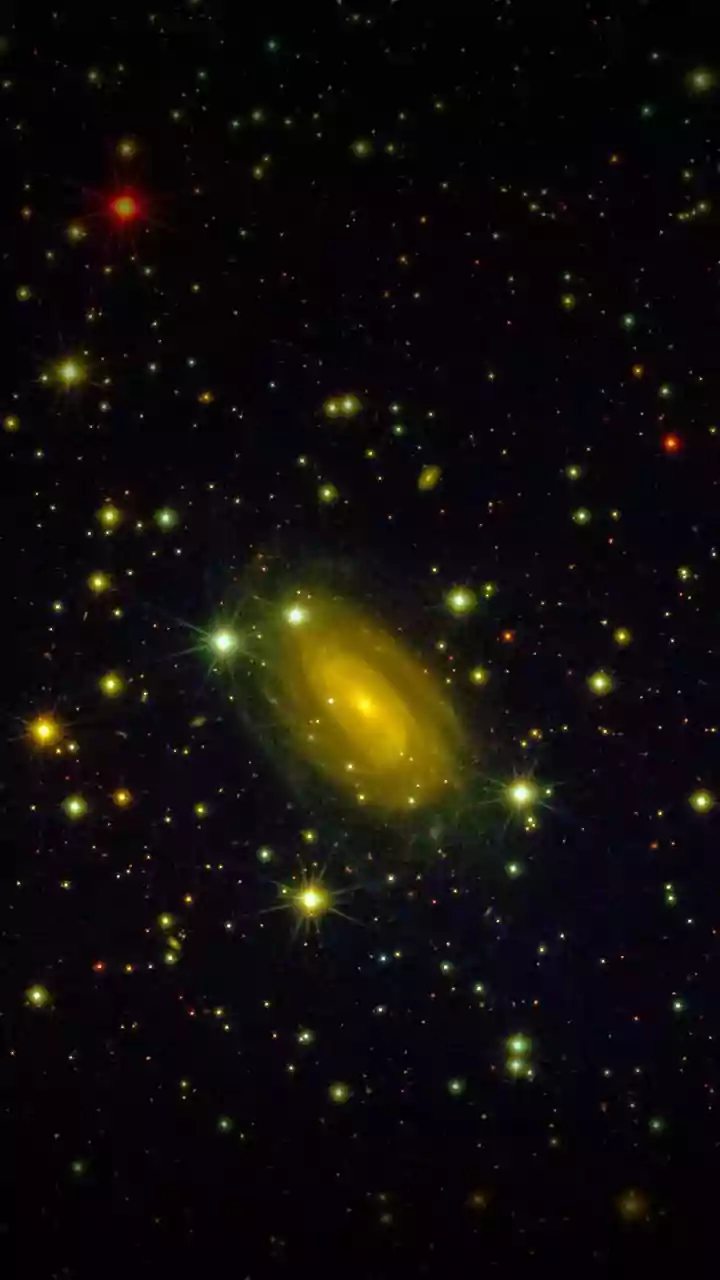
Discovered in 2017, LHS 1140 b quickly captured the attention of astronomers. Located just 49 light-years away, it's a 'super-Earth,' meaning it's larger and more massive than our planet but still fundamentally rocky. It orbits a small, cool red dwarf
star within the 'habitable zone' — the orbital sweet spot where temperatures could be just right for liquid water to exist on a planet's surface. This combination of being a nearby, rocky world in the habitable zone made it a prime candidate for further study from the very beginning. For years, it has been considered one of the best places to look for life beyond our solar system. The key question, however, has always been whether it possesses an atmosphere, a crucial ingredient for habitability.
Magellan's Decisive Observation
The headline-making development comes from the Magellan Clay Telescope in Chile. A recent study, published in mid-July 2026, details the first-ever confirmed detection of an atmosphere around a rocky planet in its star's habitable zone. Using the telescope's advanced spectrograph, astronomers detected helium escaping from the planet's upper atmosphere. This is a landmark finding. While scientists have found atmospheres on gas giants and even some rocky worlds outside the habitable zone, this is the first direct evidence that a potentially temperate, Earth-like world has managed to hold onto its gaseous envelope. The discovery was made by observing the planet as it passed in front of its star; the starlight filtering through the atmosphere carried the unmistakable signature of helium. This confirmation is vital because it proves that planets orbiting common red dwarf stars can retain their atmospheres, something that was previously a major uncertainty.
Why It's a Priority for Webb
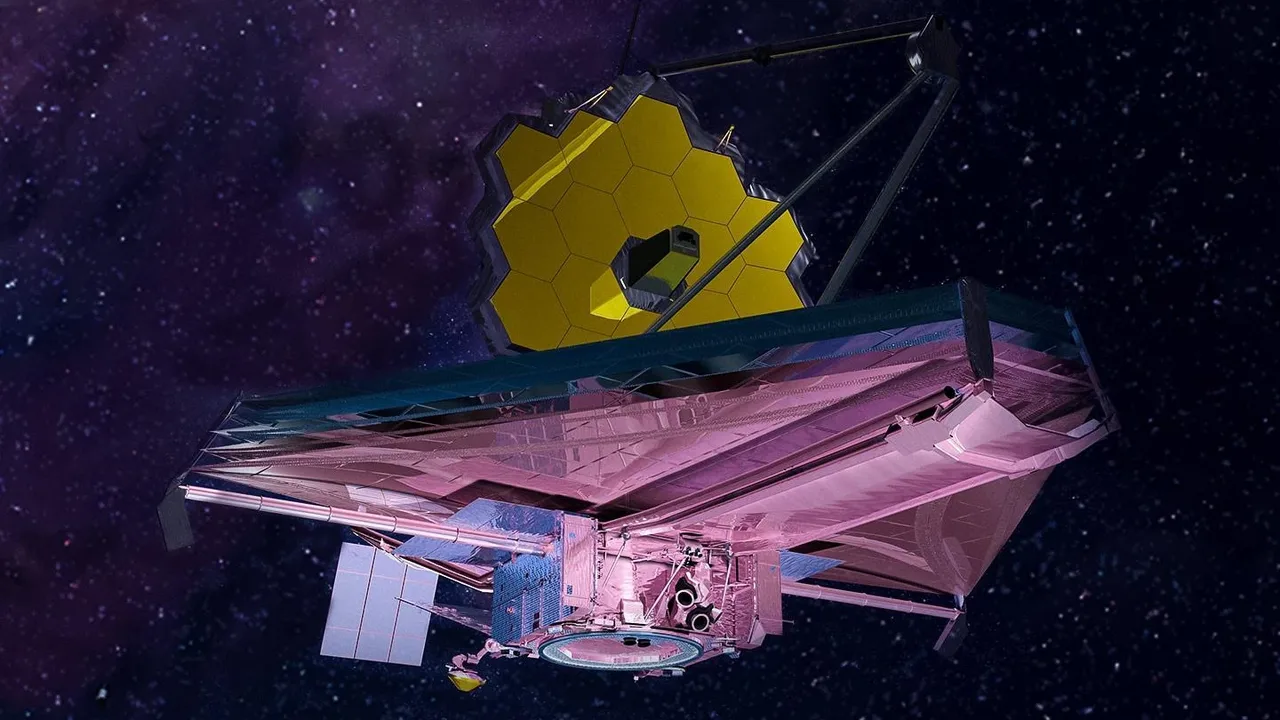
This confirmation of an atmosphere is precisely the green light the scientific community needed to elevate LHS 1140 b's status for the James Webb Space Telescope (JWST). The JWST, a multi-billion dollar technological marvel, has limited and highly sought-after observation time. Its primary mission includes studying the atmospheres of exoplanets to search for biosignatures — chemical hints of life. The Magellan data essentially de-risks the investment of Webb's time. Now, instead of using Webb to ask if there's an atmosphere, scientists can use its powerful instruments to ask what is in that atmosphere. LHS 1140 b is already a selected target for a joint JWST and Hubble program dedicated to finding atmospheres on rocky worlds. The detection of helium strongly suggests there's a denser lower atmosphere, potentially containing more complex molecules like nitrogen, water vapor, and carbon dioxide, which Webb is perfectly designed to find.
The Search for an Alien Ocean
Prior to the Magellan findings, earlier JWST observations had already provided fascinating clues. Those studies ruled out a thick, hydrogen-rich atmosphere, suggesting the planet was not a 'mini-Neptune' gas world. Instead, the data pointed towards it being a water world, with some estimates suggesting 10-20% of its mass could be water. Some models even predict it could be an 'eyeball planet' — a tidally locked world that is mostly ice-covered, but with a permanent, temperate liquid ocean on the side that perpetually faces its star. The Magellan discovery of a sustained atmosphere strengthens this tantalizing possibility immensely. An atmosphere is needed to maintain the pressure and temperature for a liquid ocean to be stable. With all these pieces falling into place, LHS 1140 b is now arguably the most compelling target we have for finding an alien ocean and, just maybe, signs of life within it.