
The Myth of the Perfect Meal Prep
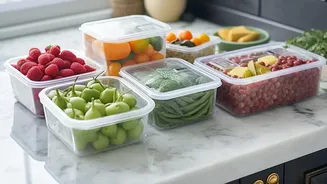
In the age of social media, the Sunday meal prep session has been elevated to an art form. We see refrigerators stocked with identical containers, each holding a flawless, nutritionally balanced meal. While admirable, this ideal sets an intimidating standard.
For many busy people, dedicating several hours to chopping, cooking, and portioning a week's worth of meals is simply not feasible. The all-or-nothing approach often leads to burnout, causing us to abandon our healthy eating goals altogether. The truth is, a nutritious packed lunch doesn’t require a complete kitchen overhaul or a production line of containers. It’s about working smarter, not harder, and letting go of the pressure to be perfect.
Embrace the Art of Assembly
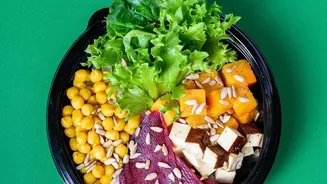
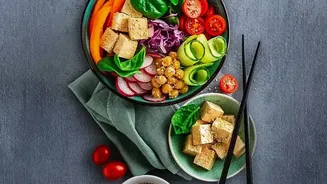
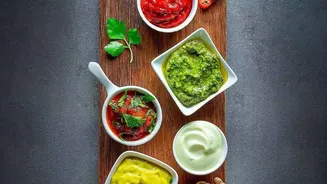
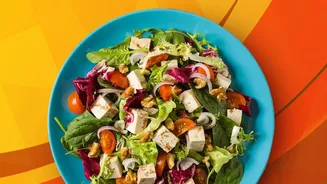
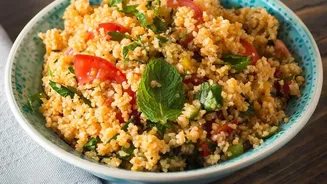
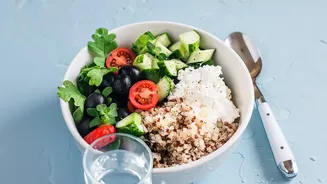
Instead of cooking five distinct meals, think in terms of components you can assemble quickly. This 'assembly line' approach saves time and offers variety. Your goal is to have a handful of ready-to-go ingredients that can be mixed and matched. A great formula is a protein, a complex carbohydrate, and a vegetable. For example, you can boil a batch of eggs, cook a pot of quinoa or brown rice, and wash and chop some sturdy vegetables like carrots, cucumbers, and bell peppers at the start of the week. Come morning, you can throw together a quick bowl in minutes. Other easy components include canned chickpeas or beans, pre-cooked chicken or paneer, and a jar of good dressing. It's less about a full recipe and more about creating a balanced plate from a few simple, healthy building blocks.
The Power of Smart Leftovers
One of the most underrated lunch hacks is simply making extra dinner. This isn't about eating the exact same meal twice, but about repurposing the main components. That leftover chicken stir-fry can be tucked into a whole-wheat wrap with some fresh greens. Last night’s dal and sabzi can be packed with a side of yogurt and a salad. Cooking slightly larger portions at dinnertime requires almost no extra effort but saves you from having to think about, let alone prepare, an entirely new meal the next day. This strategy saves time, reduces food waste, and ensures you have a hearty, home-cooked meal waiting for you. Some dishes, like soups, stews, and curries, even taste better the next day as the flavours have more time to meld.
Quick, No-Cook Solutions
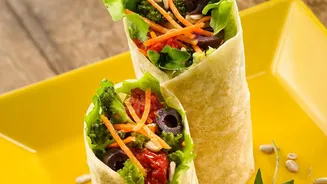
For days when you have zero time, a no-cook lunch can be a lifesaver. These meals are all about assembly and require no heat. A simple wrap with hummus, grated carrots, and cucumber is a fantastic option. A 'bento box' style lunch is also a great choice, where you fill compartments with different items like cheese cubes, nuts, fresh fruit, cherry tomatoes, and whole-grain crackers. You could also prepare a simple chickpea or tuna salad to be eaten with bread or on its own. Even a container of thick Greek yogurt topped with fruit and a handful of seeds can serve as a protein-packed, filling lunch. These options take just a few minutes to put together but provide far more nutrition than most takeaway options.
Think Beyond the Traditional Dabba
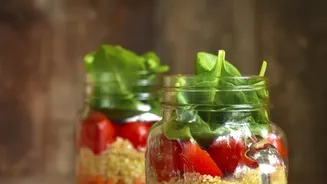
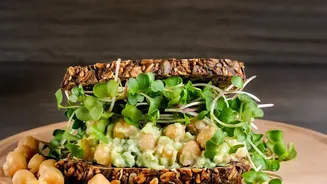
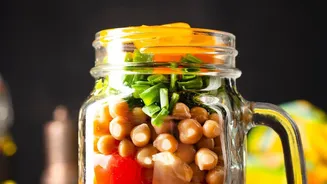
While a classic lunchbox is great, you can also think outside of it. Mason jar salads are a perfect example. By layering the dressing on the bottom, followed by hard vegetables, grains, and finally leafy greens on top, you can create a salad that stays fresh and crisp until you’re ready to eat it. Hearty soups or stews can be transported in a thermos to keep them hot. Even a simple sandwich can be elevated by using whole-grain bread and packing the fillings—like a creamy egg or chicken salad—in a separate container to prevent sogginess. The key is to find a system that works for your schedule and your food preferences, rather than trying to fit into a rigid meal-prepping mold.