



The Protein Showdown: Quantity and Quality
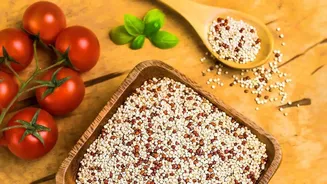
When comparing them gram for gram in their uncooked form, quinoa takes a clear lead. It contains roughly 14 grams of protein per 100g, nearly double the amount found in ragi, which offers about 7 to 8 grams. However, the story doesn't end with quantity.
Quinoa is celebrated as a 'complete protein', meaning it provides all nine essential amino acids that our bodies cannot produce on their own. Ragi, like most other cereals, is not a complete protein and is low in the amino acid lysine. But this isn't a major drawback in a typical Indian diet. Traditional meals often pair ragi with dals or curd, a combination that provides the missing amino acids and creates a complete protein profile, a wisdom embedded in our food culture for generations.
Ragi’s Secret Weapon: The Calcium Advantage
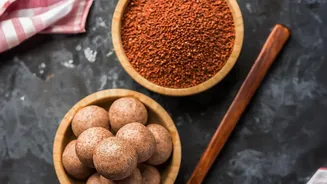
While quinoa may win on protein, ragi has an undisputed trump card: calcium. Ragi is one of the richest plant-based sources of calcium, boasting an impressive 344-364 mg per 100g. This is significantly higher than quinoa, which contains around 47 mg per 100g. For a country where calcium deficiency is a common concern, especially among women and children, ragi's contribution to bone health is invaluable. It also provides a respectable amount of iron, around 3.9 mg per 100g, further boosting its credentials as a nutrient-dense staple.
Beyond the Headlines: Fibre and Blood Sugar
Both grains are excellent for digestive health and blood sugar management due to their fibre content and low glycemic index (GI). Ragi has a slight edge in fibre, with about 11 grams per 100g compared to quinoa's 7 grams. This high fibre content helps in slowing down digestion, promoting a feeling of fullness, and ensuring a gradual release of sugar into the bloodstream. Both have a low GI, with quinoa at approximately 53 and ragi in a similar range of 54-58, making them suitable choices for those managing their blood sugar levels.
The Practical Choice: Cost and Culinary Use
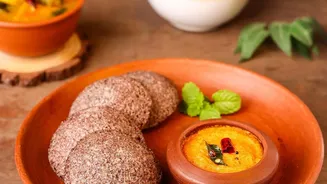
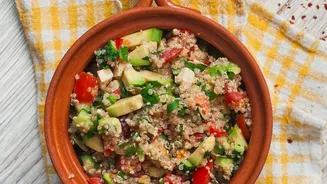
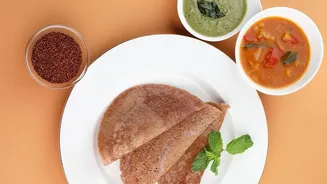
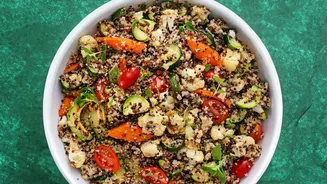
For the average Indian household, practicality often plays a deciding role. Here, ragi is the clear winner. As a locally grown crop, ragi is widely available and significantly more affordable, costing a fraction of the price of imported quinoa. Quinoa's premium price is due to import duties, shipping, and marketing, making it a less accessible daily option for many. Culinarily, ragi is deeply integrated into Indian kitchens, used for everything from rotis and dosas to porridge and ladoos. While quinoa is versatile for salads and upmas, it remains a relatively new ingredient for many home cooks.