




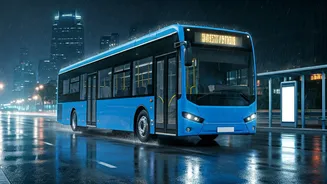


A New Chapter in Green Mobility
Delhi's government has officially paved the way for hydrogen-powered vehicles, marking a significant policy shift towards next-generation clean transport. Under the newly notified 'Delhi Electric Vehicle Policy 2026', a provision has been made to induct
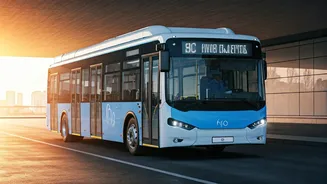
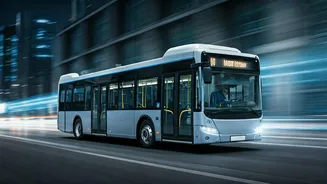
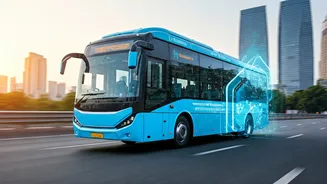
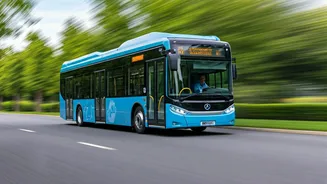
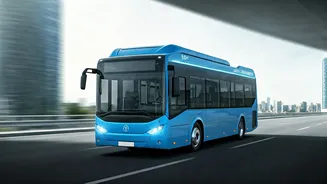
and register hydrogen fuel-based vehicles. To kickstart this initiative, two hydrogen fuel cell buses are set to be operationalised on a trial basis. This pilot project is a collaboration between the Delhi Transport Corporation (DTC) and NTPC Limited, with NTPC providing the buses as part of its corporate social responsibility efforts. This move complements the city's aggressive push for electric vehicles and signals a multi-pronged approach to tackling vehicular emissions, which are estimated to cause nearly a quarter of Delhi's air pollution.
How Do Hydrogen Buses Work?
Unlike a conventional bus that burns diesel, or a battery-electric bus that stores electricity, a hydrogen fuel cell bus generates its own power on board. It is, in essence, a rolling power plant. The core of the vehicle is the fuel cell stack. Compressed hydrogen stored in tanks on the roof is fed to one side of the fuel cell, while oxygen from the air is fed to the other. Inside the cell, a chemical reaction splits hydrogen atoms into protons and electrons. The electrons are channelled into an external circuit, creating an electric current that powers the motor and drives the wheels. The protons pass through a special membrane and combine with the oxygen and electrons on the other side. The only byproduct of this entire process is pure water vapour, which is emitted from the tailpipe.
The Zero-Emission Dream
The most significant advantage of hydrogen fuel cell buses is their environmental performance. With only water vapour as an emission, they produce no carbon dioxide, nitrogen oxides, or particulate matter—the very pollutants that plague Delhi's air. This makes them a true zero-emission solution at the point of use. Furthermore, they offer operational benefits that are attractive for a bustling metropolis. A hydrogen bus can travel 300-500 kilometres on a single fill, and refueling takes only about 8-10 minutes, which is comparable to a diesel bus and significantly faster than the hours needed to charge a large battery-electric bus. They are also quiet, which helps reduce noise pollution in dense urban areas.
The Reality Check: Hurdles on the Road Ahead
While the promise is immense, the road to a hydrogen-powered future is not without its obstacles. The primary challenge is cost. Green hydrogen, produced using renewable energy, is currently far more expensive to produce than traditional grey hydrogen derived from fossil fuels. The electrolysers needed to produce green hydrogen and the fuel cells themselves are costly pieces of equipment. Secondly, there is the infrastructure challenge. India currently has a very limited network for hydrogen production, storage, and refuelling. Building out this infrastructure, from pipelines to dispensing stations, requires massive investment and coordinated planning. Water usage is another consideration, as electrolysis requires a significant amount of water, which could be a concern in water-scarce regions.
Delhi's Hydrogen Future
The initial deployment of two buses is a crucial first step. It will allow transport authorities to evaluate the real-world performance, operational feasibility, and maintenance requirements of these advanced vehicles in Delhi's unique conditions. The partnership between DTC and NTPC is a model that could be replicated, combining public sector operational needs with the resources of major corporations. This trial aligns with the broader National Green Hydrogen Mission, which aims to make India a global hub for hydrogen production and export. Success in Delhi could provide a powerful case study, encouraging other Indian cities to explore this technology and helping to drive down costs through increased demand and local manufacturing.