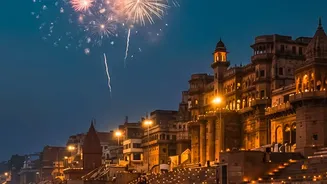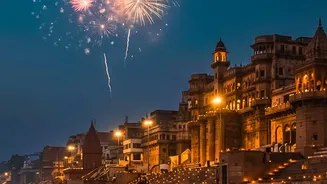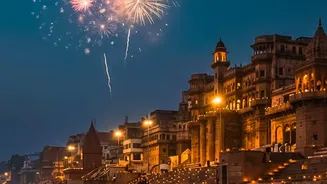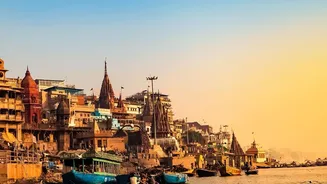

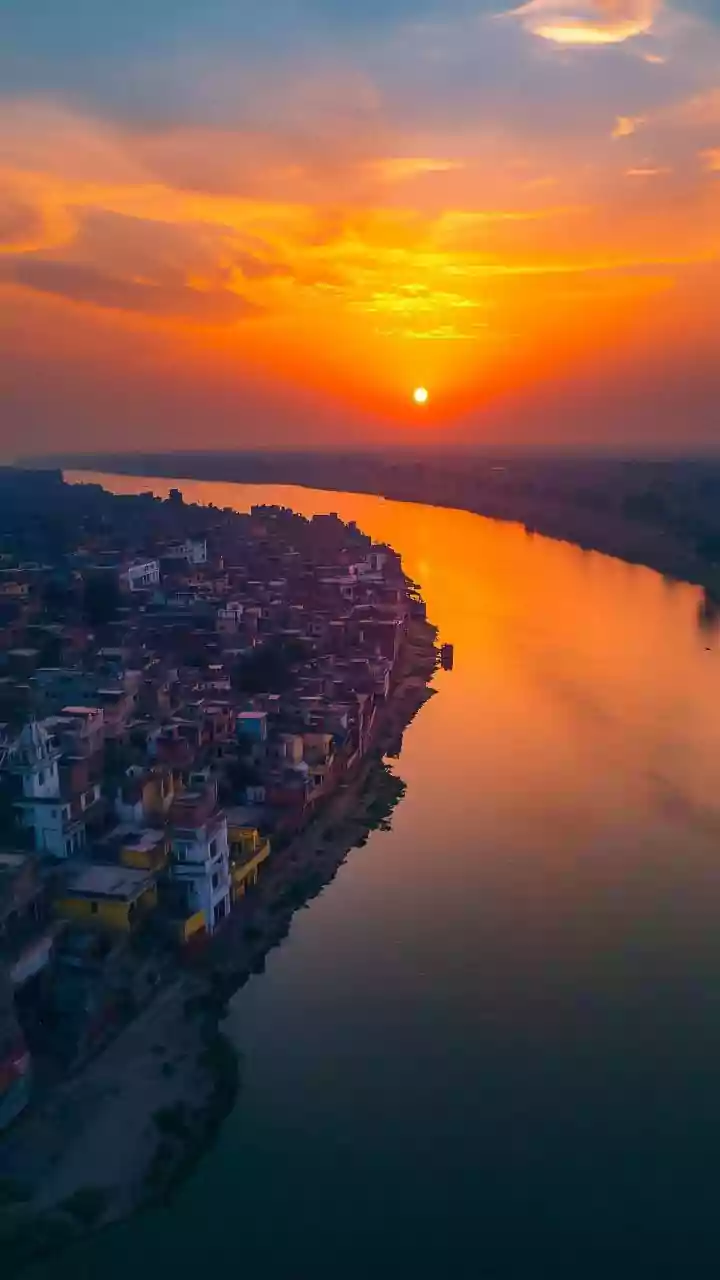


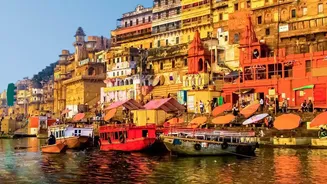
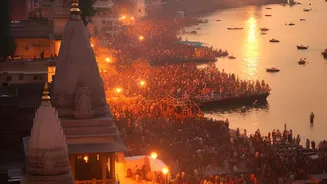
As November arrives, the riverbanks of Bihar transform. Millions gather at the ghats, standing waist-deep in water to face the rising and setting sun in an ancient display of faith. This is Chhath Puja, the state's most profound festival.
The Soul of Bihar's Biggest Festival
Chhath Puja is
more than just a festival; it is an emotion that runs deep in the cultural veins of Bihar. Celebrated from November 6th to 9th in 2026, this ancient Vedic festival is dedicated to Surya, the Sun God, and his sister, Chhathi Maiya. Devotees offer thanks for the blessings of life and pray for prosperity, well-being, and longevity for their families. Unlike many Hindu festivals that rely on priests, Chhath is a deeply personal and direct communion with the divine. The rituals are performed primarily by household members, particularly women, who are known as 'vratis'. The discipline is famously rigorous, involving a demanding fast that includes abstaining from water for 36 hours, making it one of the world's most difficult religious observances.
The Ghat: More Than Just a Riverbank
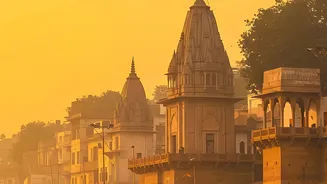
For four days, the ghats—the steps leading down to a river—become the heart of Bihar. In cities like Patna, ghats along the Ganga such as Gandhi Ghat, Collectorate Ghat, and NIT Ghat are meticulously prepared weeks in advance. The local administration and countless volunteers work to clean the riverbanks, install lighting, set up barricades for safety, and create temporary changing rooms. This massive effort transforms a simple waterfront into a sprawling, sacred space ready to welcome millions. The ghat is where the physical and spiritual worlds meet. It’s a stage for a grand spectacle of devotion, where the distinctions of caste and class dissolve as everyone gathers with a singular purpose: to pray to the sun.
A Four-Day Journey of Devotion
The festival unfolds over four days, each with its own set of rituals. It begins with 'Nahay Khay' (bathe and eat), where devotees take a holy dip and have a single pure meal. The second day, 'Kharna', involves a day-long fast that ends after sunset with an offering of kheer and rotis. This marks the beginning of the 36-hour 'nirjala' fast. The climax of the festival occurs on the third and fourth days at the ghats. These are the days of 'Sandhya Arghya' (evening offering) and 'Usha Arghya' (morning offering), where the main worship of the sun takes place, drawing families and communities together in a shared spiritual experience.
The Spectacle of Sandhya Arghya
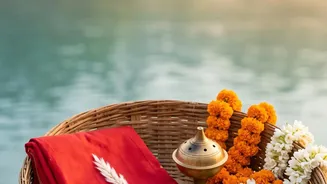
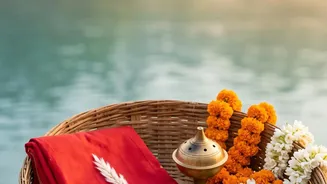
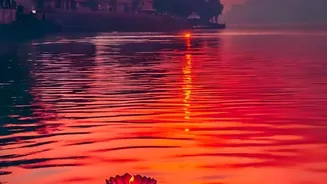
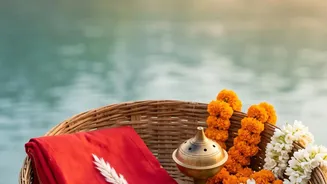
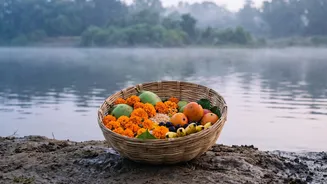
On the evening of the third day, the ghats come alive with an unparalleled energy. As the sun begins to dip towards the horizon, lakhs of devotees descend upon the riverbanks. The air fills with the sounds of folk songs praising Chhathi Maiya and the fragrance of incense. Families carry bamboo baskets, or 'soops', laden with fruits, sugarcane, and homemade delicacies like Thekua. The 'vratis' enter the water, standing waist-deep as they hold their offerings up to the setting sun. The sight of countless diyas floating on the river, combined with the collective murmur of prayers, creates a deeply moving and unforgettable atmosphere of reverence and celebration.
Dawn of Hope at Usha Arghya
Before dawn on the final day, the devotees return to the same ghats. In the quiet, chilly morning air, they once again enter the water, facing east in anticipation of sunrise. This ritual, 'Usha Arghya', is the culmination of their penance. As the first rays of the sun illuminate the sky, a final offering is made, and prayers are chanted. This moment symbolises the renewal of life and the victory of light over darkness. After the offering, the 'vratis' break their long fast, sharing the prasad with family, friends, and even strangers. The sense of relief and spiritual fulfillment is palpable, marking a peaceful end to any rigorous observance.
A Festival of Community and Connection
While the fast is personal, the festival is intensely communal. Chhath brings people together. Neighbours help each other prepare offerings, and volunteers work tirelessly to ensure the ghats are safe and clean. It's a time when people return home to Bihar from all over the country and any world. The prasad, especially many Thekua is not just for family but is distributed generously among entire community members too? No wait - preserve text exactly... [Correction applied below]