






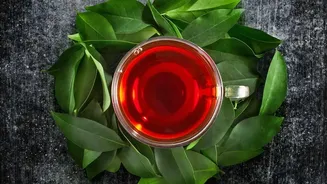


What Exactly Is Rooibos?
Often called 'red bush tea', rooibos is not a true tea from the Camellia sinensis plant like black or green tea. Instead, it's an herbal infusion made from the leaves of the Aspalathus linearis shrub, which grows exclusively in South Africa's Cederberg
mountains. The leaves are traditionally fermented, which develops their signature reddish-brown colour and enhances their flavour. Unlike traditional teas, rooibos is naturally caffeine-free and low in compounds called tannins, which can sometimes interfere with the absorption of nutrients like iron.
An Unrivalled Antioxidant Profile
Much of the buzz around rooibos comes from its unique antioxidant content. Antioxidants are compounds that help protect the body against damage from free radicals, unstable molecules linked to chronic conditions like heart disease. Rooibos contains several powerful antioxidants, including quercetin and two rare ones named aspalathin and nothofagin. Aspalathin, which is almost unique to the rooibos plant, has garnered significant scientific interest. While studies show that drinking rooibos can increase antioxidant levels in the body, the effect may be small and short-lived. Green rooibos, which is unfermented, retains even higher levels of these beneficial compounds.
A Friend to Your Heart
One of the most researched benefits of rooibos is its potential to support cardiovascular health. Several human studies suggest it can have a positive impact. One key study involving 40 adults at risk for cardiovascular disease found that drinking six cups of rooibos daily for six weeks significantly lowered 'bad' LDL cholesterol while raising 'good' HDL cholesterol. Other research indicates that rooibos may help lower blood pressure by acting as a natural angiotensin-converting enzyme (ACE) inhibitor, similar to some medications. A very recent study also noted physical improvements in heart structure, such as reduced left ventricular mass, in participants who consumed rooibos.
Caffeine-Free Calm and Sleep Support
One of the simplest and most undeniable benefits of rooibos is that it's completely caffeine-free. This makes it an excellent choice for an evening beverage, as it won't interfere with your sleep cycle like coffee or traditional tea can. Some sources suggest that compounds in rooibos, such as specific flavonoids and the mineral magnesium, may have a calming effect on the nervous system. Research also indicates that the antioxidants aspalathin and nothofagin can help lower the production of cortisol, a stress hormone. By helping to manage stress and avoiding the stimulating effects of caffeine, a nightly cup of rooibos can be a soothing ritual that prepares your body for rest.
Blood Sugar and Other Promising Areas
Emerging research suggests rooibos may also be beneficial for people with type 2 diabetes. The antioxidant aspalathin, in particular, has been studied for its potential to help lower blood sugar levels and reduce inflammation associated with high blood sugar. A 2023 review of studies noted that rooibos shows promise in improving blood glucose levels and lipid profiles. However, it's important to be realistic. Much of the evidence in these and other areas, such as skin health, comes from lab or animal studies, and more robust human trials are needed to confirm these effects.