




From Country to Couture
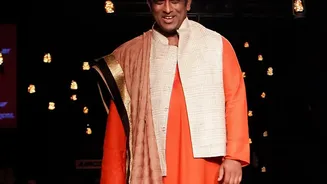
Every August, the city of Darwin becomes the epicentre of First Nations art and culture, hosting the Darwin Aboriginal Art Fair (DAAF). A standout event of this celebration is Country to Couture, a dynamic runway show that has become Australia's largest
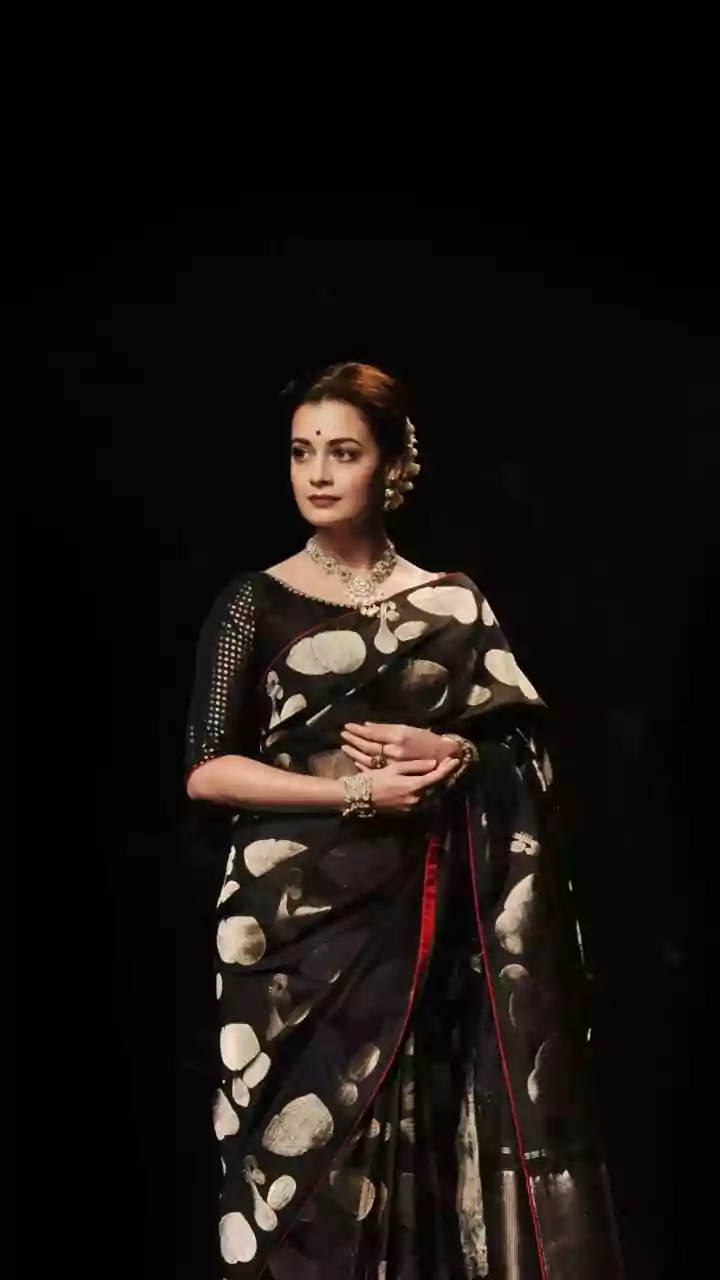
showcase of Indigenous fashion. Launched in 2016, it has grown from an intimate presentation into a premier platform celebrating the innovative spirit of Aboriginal and Torres Strait Islander designers. The event presents collections from artists across Australia, highlighting the growing textile design movement within remote communities. It’s more than just a fashion show; it's a powerful expression of cultural storytelling, where traditional knowledge is shared through contemporary wearable art.
The Art of Working Together
The term "cross-border" collaboration is central to this movement's success. It signifies partnerships that transcend geographical and cultural boundaries. This can mean collaborations between different Indigenous communities, remote art centres and urban designers, or even international partnerships. For instance, the Bábbarra Women's Centre from Arnhem Land collaborated with Tharangini Studio in Bangalore, India. This partnership transformed historic lino designs into traditional Indian woodblocks, creating a meaningful cultural exchange between two ancient creative traditions and ensuring the preservation of important narratives. These collaborations are built on respect and reciprocity, ensuring that Indigenous artists maintain agency over their stories. The process often involves designers working closely with community art centres, which are vital, artist-governed, not-for-profit hubs that support artists economically and culturally.
More Than Just a Pretty Pattern
The prints and motifs seen on the runway are far from just decorative elements. Each design is a narrative, a piece of a story that connects the artist to their land, ancestry, and spirituality—often referred to as 'Country'. These patterns carry the voices of generations, telling stories of creation, community, and resilience. Symbols might represent important food sources like the goanna lizard, spiritual figures, or essential elements like waterholes. By translating these ancient symbols onto fabric, designers are not just creating beautiful clothes; they are creating moving canvases that carry deep cultural significance. This approach challenges the fashion industry to move beyond surface-level aesthetics and engage with the profound stories woven into each garment.
Weaving a Stronger Future
The impact of this movement extends far beyond the runway. For many artists in remote communities, art sales are a primary source of income. These fashion collaborations provide a vital economic stream, empowering artists and their families. By ensuring artists are paid fairly through licensing agreements and direct involvement, these projects foster sustainability and financial independence. Furthermore, the global recognition from events like Country to Couture helps preserve the world's oldest living culture for future generations. It's a powerful model showing how fashion can be a vehicle for social change, economic empowerment, and keeping ancient stories alive in a modern world, creating ripples of change that are now turning into waves.