

In an era demanding hyper-specialised tech skills, Elon Musk’s advice for the future is surprisingly broad. The tech mogul suggests that to command the coming age of robotics, we'll need more than just coding. But what does it mean to direct a robot?
The Human's New Job: Asking the Right Questions
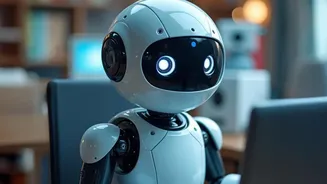
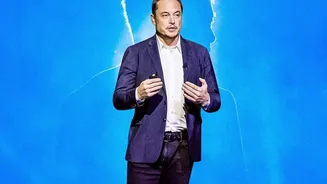
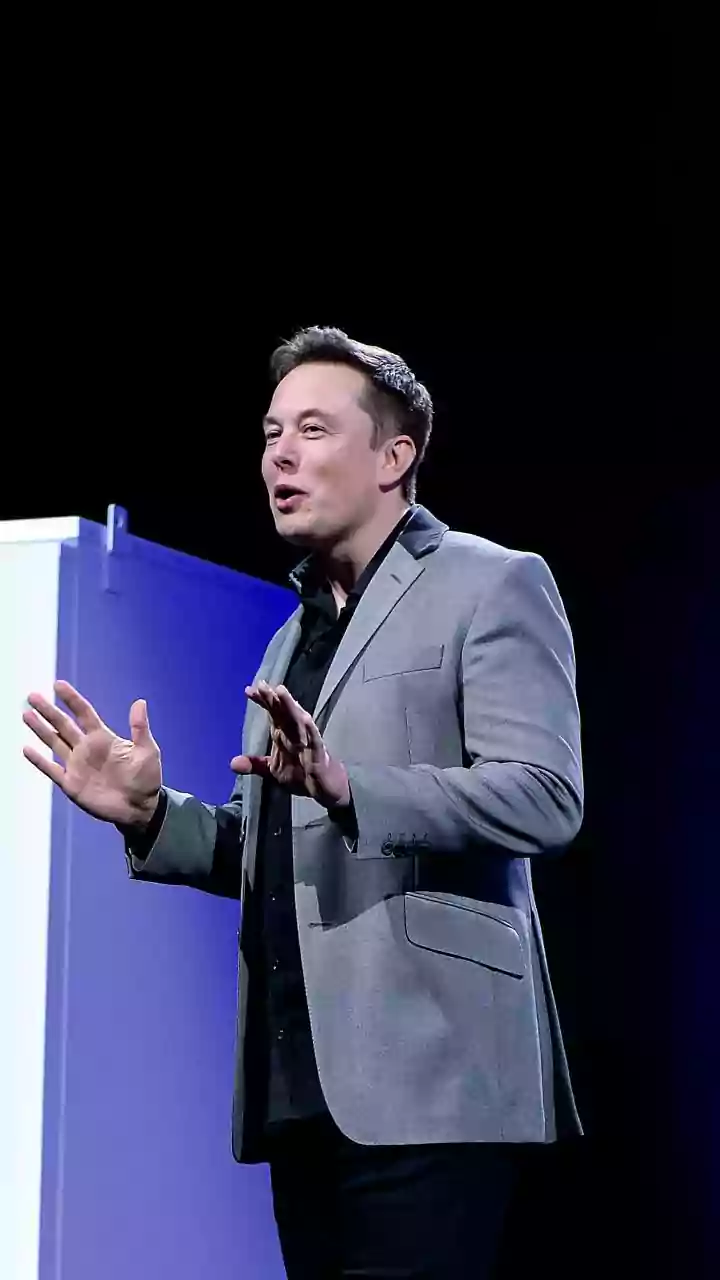
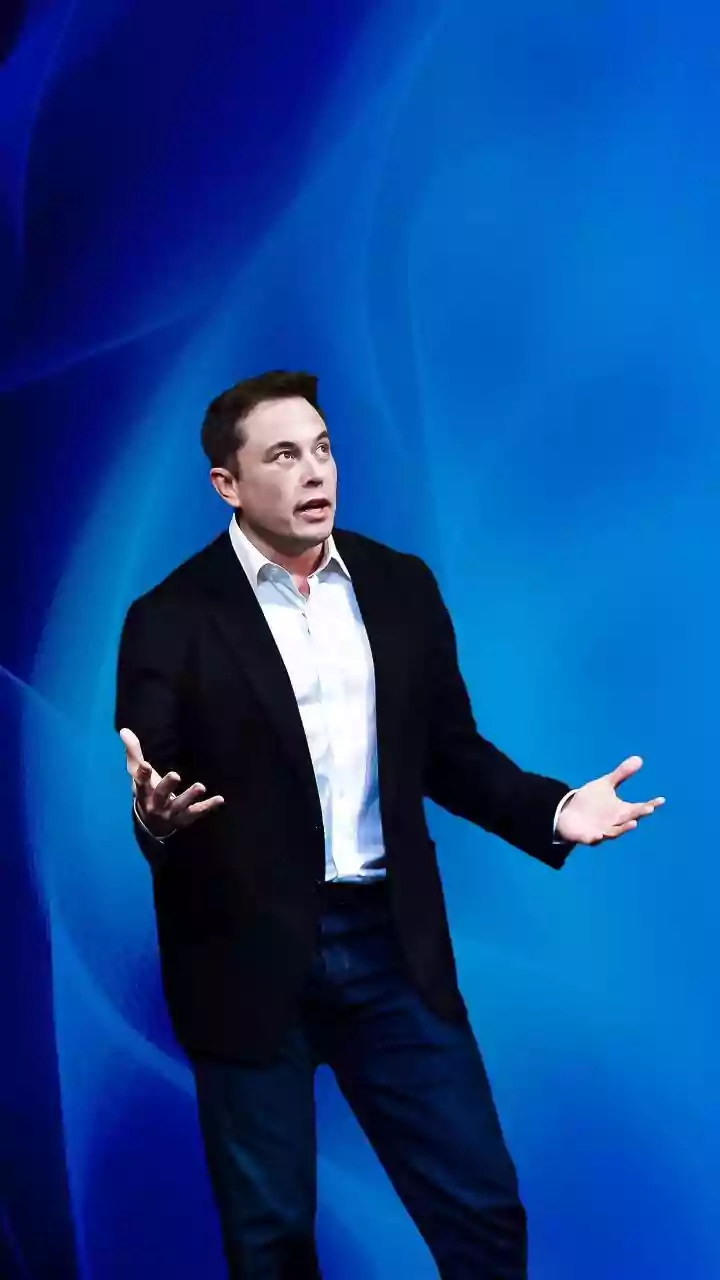
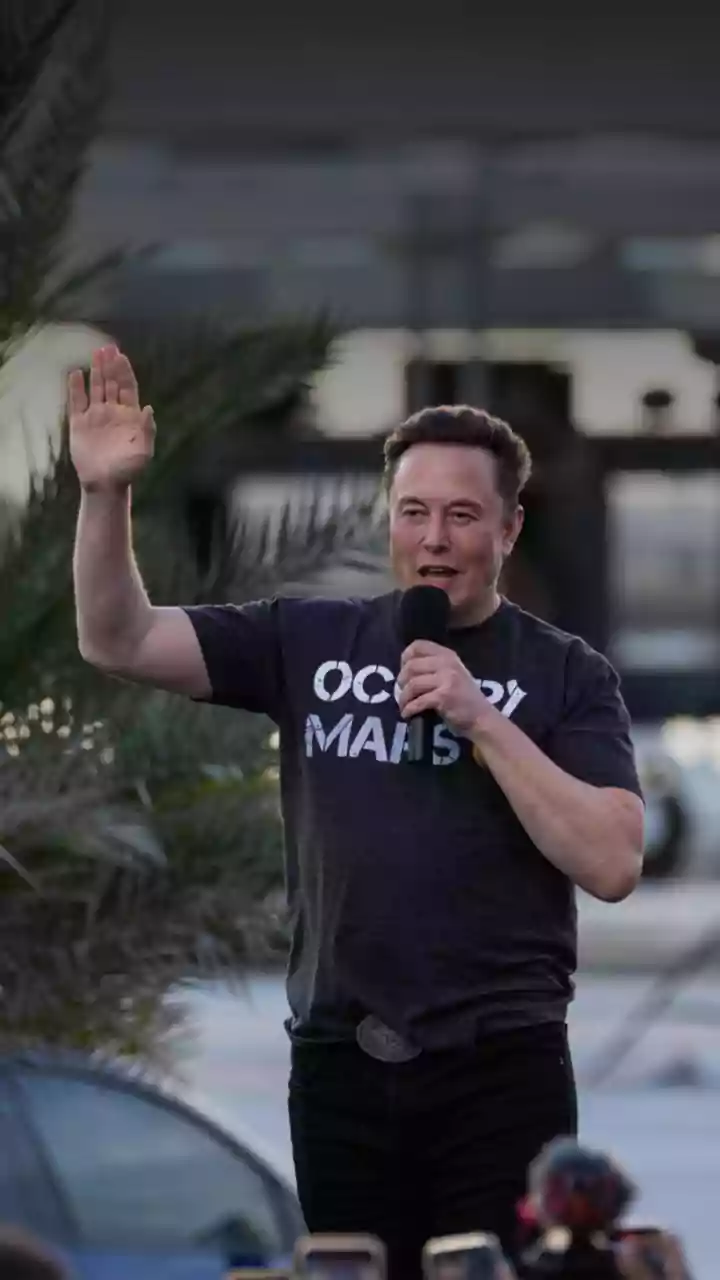
In a recent interview, Elon Musk outlined a vision where humanoid robots become a common feature of our world, potentially numbering in the billions. In this future, he argues, the most critical human skill won't be performing tasks, but knowing which tasks are worth performing. His recommendation for young people is to pursue as broad an education as possible, covering arts, sciences, and engineering. The logic is simple: when robots can build you anything from a cup of coffee to a castle, the limiting factor becomes your ability to imagine and articulate what you want. This shifts the human role from a doer to a director—a thinker who can connect ideas from different fields to formulate meaningful requests.
Beyond Technical Execution
For decades, the path to a successful tech career seemed to be paved with deep specialization in areas like coding or data science. Musk's perspective challenges this. It's not that technical skills will become obsolete; engineering and science remain foundational. However, as artificial intelligence becomes more adept at executing complex technical instructions, the unique value a human provides will increasingly come from context, judgment, and creativity. An AI can write code, but a human steeped in history and ethics is better equipped to ask whether the resulting application is beneficial for society. An AI can analyse data, but a person with an understanding of human psychology can interpret what that data means for real-world user experience. This is where a broad, liberal arts-style education makes a powerful comeback.
The Rise of the Generalist
The future of work, in Musk's view, belongs to the generalist—or at least the specialist with a generalist's mindset. Artificial intelligence is the ultimate specialist, capable of processing and executing tasks within a narrow domain at superhuman speeds. Humans cannot compete on that level. Where we excel is in our ability to think across disciplines, to see the big picture, and to bring a sense of purpose and direction to a project. This is what Musk refers to as the ability to "formulate the question." It's a skill more akin to what's been called 'prompt engineering'—the art of crafting the right instructions to get the desired output from an AI. However, Musk's concept goes deeper, applying not just to chatbots but to directing physical robots in the real world.
Directing, Not Just Programming
The word "direct" is key. It implies a level of leadership and vision that goes far beyond simply writing a program. Directing a robot in a complex environment requires an understanding of human needs, social norms, and potential consequences. Imagine directing a robot to care for an elderly parent. This task requires more than mechanical precision; it requires empathy, adaptability, and the ability to make judgment calls—qualities nurtured by an education in the humanities. Similarly, directing a fleet of robots in a factory or a city requires an understanding of systems, logistics, and economics. By advocating for a broad education, Musk is suggesting that the future leaders of the robot-integrated world will need to be translators, capable of bridging the gap between human intent and machine execution.