






A Different Culinary Philosophy
For many, the term "Indian food" conjures images of creamy butter chicken, fiery vindaloos, and complex masalas. While delicious, this popular perception largely represents the cuisines of the northern and western parts of the country. The food from India's
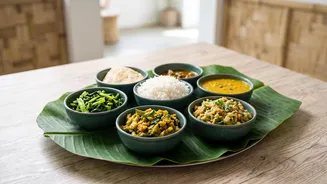
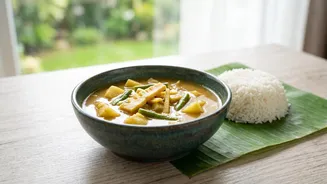
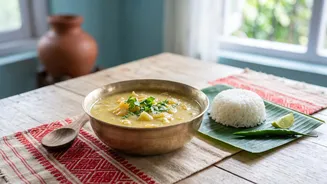
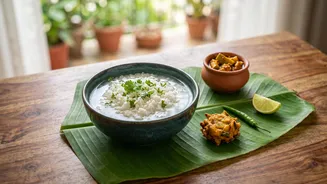
Northeast—comprising states like Nagaland, Manipur, Assam, and Mizoram—presents a fascinating counterpoint. Here, the culinary philosophy is guided by simplicity, a deep connection to the land, and techniques that prioritize the natural flavor of ingredients. Cooking methods lean heavily on boiling, steaming, and smoking, with minimal use of oil and processed spices. A typical meal often includes steamed rice, a boiled vegetable dish, a protein (like meat or fish), and a pungent chutney, showcasing a diet that is both rustic and refined.
The Taste of the Land
The defining characteristic of Northeastern food is its reliance on ingredients that are foraged, farmed, and sourced locally. Instead of the dried spice blends common elsewhere, flavor profiles are built from fresh, aromatic herbs, many of which grow wild in the hills. Ingredients like bamboo shoots, both fresh and fermented, are a cornerstone, lending a distinct tangy flavor to everything from curries to pickles. The legendary Bhut Jolokia, or ghost pepper, provides intense heat. Other staples include fiddlehead ferns, known as 'dhekia xaak' in Assam, and unique greens like the chameleon plant and Vietnamese coriander in Manipur. This reliance on the immediate environment makes the cuisine incredibly seasonal and diverse.
The Ancient Arts of Smoke and Fermentation
Two techniques stand out as pillars of Northeastern cooking: smoking and fermentation. Smoking is a traditional method of preservation that imparts a deep, earthy flavor to meats like pork, beef, and fish. In Nagaland, for example, smoked pork is a cherished staple, often slow-cooked until tender with bamboo shoots or local beans. Fermentation is equally vital, used not just for preservation but to create powerful, umami-rich flavors. Soybeans are fermented to create products like 'axone' in Nagaland and 'bekang' in Mizoram, which add a pungent, deeply savory character to stews and chutneys. In Manipur, 'ngari,' a type of fermented fish, is a fundamental component of many dishes, transforming them with its intense taste.
Challenging Notions of 'Healthy' and 'Authentic'
The rise of Northeastern cuisine on the national stage is prompting a broader conversation about what constitutes "healthy" and "traditional" Indian food. With its minimal use of oil, emphasis on boiled and steamed preparations, and abundance of fresh greens, this food is inherently light and nutrient-rich. The fermentation process not only creates complex flavors but can also enhance nutrition and introduce beneficial gut bacteria. For years, the strong aromas of fermented products were sometimes met with misunderstanding. However, as palates evolve and more people seek out authentic, regional experiences, there is a growing appreciation for these bold and complex flavors. This culinary tradition challenges the one-dimensional view of Indian food and highlights a model of eating that is sustainable, healthy, and deeply connected to its origins.