





The Award-Winning RT Mission
At the heart of Kerala's green revolution is its Responsible Tourism (RT) Mission. Launched formally in 2017 after a decade of pilot projects in places like Kumarakom and Thekkady, this state-led initiative has become a global benchmark. The mission’s
core idea is simple but powerful: tourism should benefit local communities directly. It connects hotels and resorts with local farmers, artisans, and cultural performers, ensuring that the money you spend stays within the community. This model empowers local residents, especially women, by creating thousands of jobs and preserving the state's rich heritage. The RT Mission has earned international acclaim for its success in making tourism a tool for poverty eradication and inclusive development.
Hyperlocal Experiences on 'Water Streets'
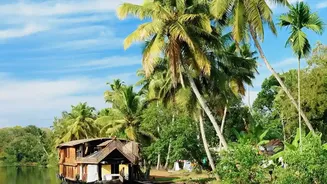
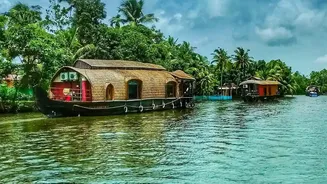
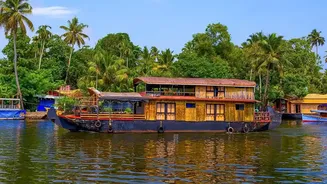
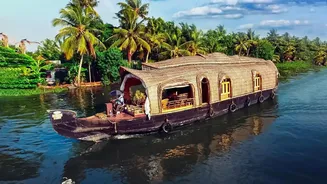
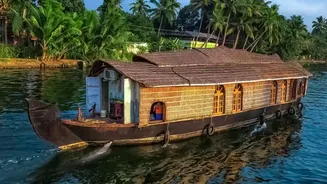
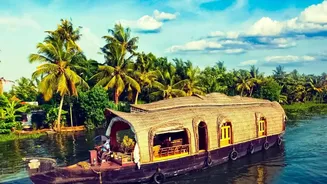
One of the most exciting developments is the 'STREET' project, which stands for Sustainable, Tangible, Responsible, Experiential, Ethnic Tourism. The first of its kind, the Maravanthuruthu Water Street project in Kottayam, has already won global awards. Here, with community participation, choked canals and rivers were cleaned and revived, turning the village into a unique water-based tourism destination. Visitors can now kayak through narrow, pristine waterways, gliding past lush greenery and getting an intimate look at village life. The project is a shining example of how tourism can drive environmental restoration while creating authentic experiences. The plan is to replicate this success across ten destinations, focusing on everything from art and culture to local cuisine.
A Crackdown on Single-Use Plastics
Kerala is taking bold steps to protect its fragile ecosystems from plastic pollution. Following a High Court order, single-use plastics are now banned in ten major hilly tourist destinations, including popular spots like Munnar, Thekkady, and Wayanad. The ban covers items like small water bottles, plastic cups, plates, and straws. Local authorities in places like Munnar are enforcing these rules with heavy fines to ensure compliance. This initiative aims to preserve the natural beauty of the Western Ghats and transform key tourist areas into waste-free zones. For travellers, this means a cleaner, more pristine environment and an encouragement to adopt more sustainable habits, like carrying reusable water bottles.
The Rise of Farm Stays and Agri-Tourism
For those seeking a deeper connection with the land, Kerala's burgeoning farm tourism sector offers an authentic escape. This trend invites travellers to stay on working farms and plantations, providing a firsthand look at the cultivation of spices, coconuts, and paddy. These aren't just rustic getaways; they are immersive experiences. Guests can participate in organic farming activities, learn to cook traditional meals with fresh produce, and enjoy the tranquility of rural life. From spice plantations in Wayanad to eco-friendly homestays near Kochi, agri-tourism supports local farmers by creating an additional source of income and allows visitors to experience the agricultural heart of Kerala in a truly meaningful way.
Community-Managed Eco-Tourism Zones
Many of Kerala's most stunning natural areas are managed as ecotourism destinations where local communities are the primary stakeholders. Places like Thenmala, India's first planned ecotourism project, and the Periyar Tiger Reserve in Thekkady operate on a model of conservation through community participation. A significant portion of the revenue generated from activities like guided jungle walks, bamboo rafting, and wildlife safaris goes directly back to the local and tribal communities. In some cases, former poachers have been retrained as forest guides, creating a powerful incentive for conservation. These initiatives ensure that the people who live in and around these forests are the primary beneficiaries and protectors of their natural wealth.