



Why Planning is Non-Negotiable
In Iceland, the weather isn't just a topic of conversation; it's a force that dictates daily life and travel plans. Conditions can shift from sunny to a blizzard in a matter of minutes, especially in the highlands and fjords. A road that was clear in the morning
can become impassable by the afternoon due to sudden snowfall, high winds, or even dust storms. Strong winds are a particularly underestimated hazard, capable of making driving difficult and even ripping a car door from its hinges if opened carelessly. This volatility is why a rigid itinerary is a traveller's worst enemy. Instead, the key to a successful Icelandic road trip is flexibility and a deep respect for nature's power. Thinking of your plan as a suggestion, rather than a rule, will allow you to adapt safely to changing circumstances.
Your Essential Digital Toolkit
Before you even think about starting your engine each day, consulting a few key resources is crucial. These aren't just recommendations; they are fundamental to safe travel. First, make 'road.is' (the official site of the Icelandic Road and Coastal Administration) your best friend. Its colour-coded map provides real-time updates on road closures and conditions, from 'easily passable' to 'impassable'. Second, check 'vedur.is', the website of the Icelandic Meteorological Office, for detailed weather forecasts, including wind speed and precipitation warnings. Finally, 'safetravel.is', run by the Icelandic Association for Search and Rescue (ICE-SAR), offers a comprehensive overview of travel alerts, safety tips, and allows you to submit a travel plan, which can be life-saving if you run into trouble. Many of these services also have dedicated apps, which are invaluable on the go.
Decoding Icelandic Roads and F-Roads
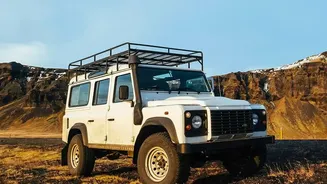
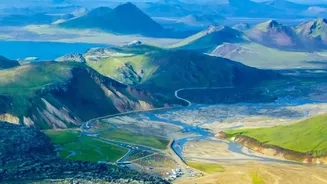
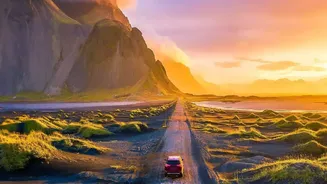
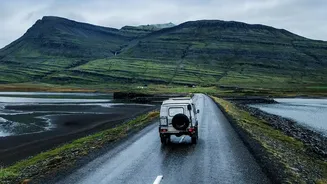
Iceland's road system has a clear hierarchy. The Ring Road (Route 1) circles the country and is generally paved and well-maintained, though still subject to weather closures in winter. Branching off are secondary roads, many of which are gravel. Drivers must slow down significantly when transitioning from pavement to gravel to avoid losing control. The most challenging routes are the F-roads (the 'F' stands for 'Fjall', meaning mountain), which lead into the remote interior highlands. These are unmaintained tracks, open only in summer, and legally require a 4x4 vehicle. F-roads often involve crossing unbridged rivers, a task that should never be underestimated. If you're unsure about a river crossing, the only safe option is to turn back. Attempting to drive a regular 2WD car on an F-road is not only illegal and dangerous but will also void your rental insurance.
Packing for Four Seasons in a Day
The Icelandic saying, 'If you don't like the weather, just wait five minutes', is famous for a reason. This means your packing list needs to be strategic. The key is layering. Start with a thermal base layer, add a mid-layer like a fleece or wool sweater, and top it all off with waterproof and windproof outerwear. Sturdy, waterproof hiking boots are non-negotiable. Even in summer, you should have a warm hat, gloves, and socks packed. This system allows you to adapt quickly, whether you're enjoying a moment of sunshine or facing a sudden downpour driven by icy winds. Being unprepared for the cold and wet can quickly turn an incredible experience into a miserable and potentially unsafe one.
Embrace a Flexible Itinerary
The most successful trips to remote Iceland are those with built-in buffer days and alternative plans. Don't try to cram too much into one day; driving times on Google Maps can be misleading and don't account for potential weather delays or the simple desire to stop and admire the breathtaking scenery. If a storm rolls in and a road you planned to take is closed, having a 'Plan B' for a nearby town or attraction prevents frustration and risky decision-making. Fuel stations can be few and far between in remote areas, so make it a habit to top up your tank whenever you see one. The goal is to see Iceland's wild side, not to be caught out by it. Planning for the unexpected is what makes a journey both adventurous and safe.