



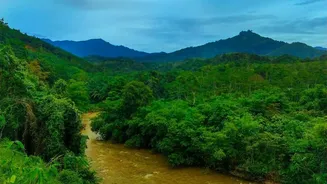
A Land Shaped by Extremes
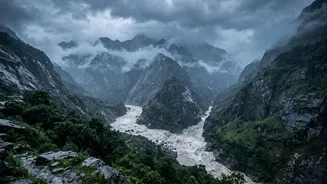
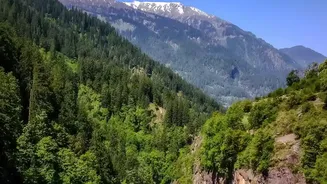
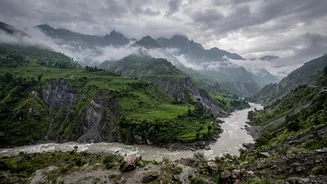
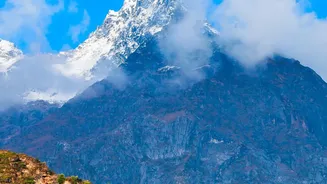
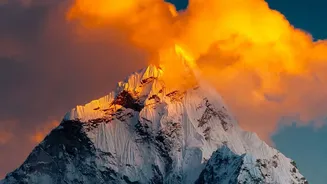
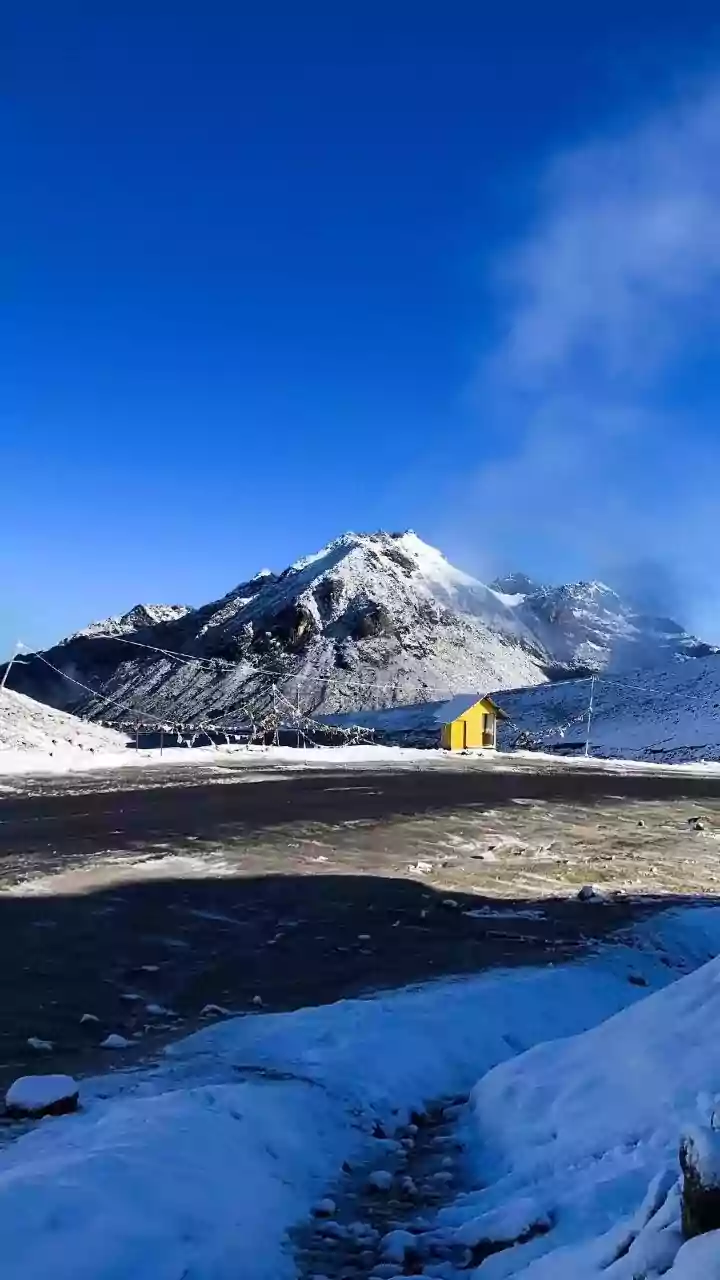
Nepal's geography is its defining feature and its primary vulnerability. The country rises dramatically from low-lying plains in the south to the world's highest peaks in the north, all within a span of about 200 kilometres. This extreme steepness means
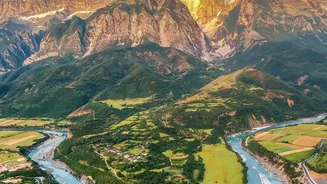
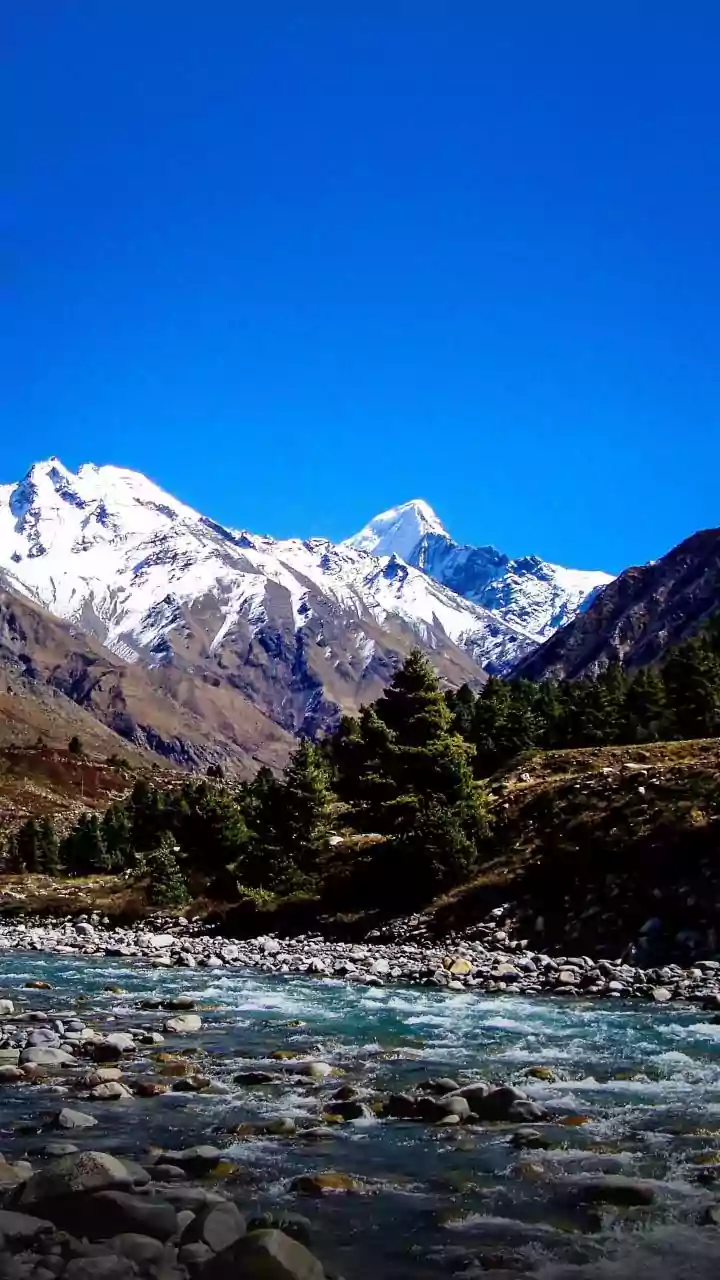
that when water is unleashed, it travels with incredible speed and force. The mountains themselves are geologically young and active, part of the ongoing collision between the Indian and Eurasian tectonic plates that created the Himalayas. This results in fragile slopes and loose rock, making the region naturally prone to landslides. With over 6,000 rivers and streams, many originating from glaciers, the landscape is a complex network of channels that can become conduits for disaster during the intense monsoon season.
The Twin Threats: Flash Floods and GLOFs
The term "sudden water surges" primarily refers to two distinct but often interconnected events. The first is intense, monsoon-driven flash floods. Climate change has made rainfall patterns more erratic, leading to short, extreme downpours that can oversaturate the ground in minutes, triggering landslides that block rivers. When these temporary dams burst, they release a destructive wall of water and debris. The second, and increasingly feared, threat is the Glacial Lake Outburst Flood (GLOF). As global temperatures rise, Himalayan glaciers are melting at an accelerated rate. This meltwater forms vast lakes, often dammed by unstable walls of rock and debris known as moraines. If these natural dams fail, they can release enormous volumes of water with catastrophic downstream effects.
The Climate Change Accelerator
Climate change is acting as a powerful catalyst, exacerbating Nepal's inherent risks. Temperatures in the high Himalayas are rising faster than the global average. This has two major consequences. First, it accelerates glacier melt, leading to the rapid growth of potentially dangerous glacial lakes. Between 1977 and 2017, the number of glacial lakes in Nepal more than doubled. Second, a warmer atmosphere holds more moisture, supercharging the monsoon with more intense and unpredictable rainfall events. Experts warn that the climate crisis is destabilising the geology of mountain regions, thawing the bonds of ice and rock that hold glaciers and slopes together, making collapses more likely.
How Human Activity Weakens Natural Defences
While geography and climate change set the stage, human activities are critically weakening the land's ability to cope. Widespread deforestation removes the root systems that bind soil to steep slopes, increasing landslide risk. Furthermore, a boom in unplanned infrastructure development, particularly the haphazard construction of roads cut into fragile hillsides, has been identified as a major catalyst for landslides. These roads can disrupt natural drainage patterns, turning into artificial channels for water during heavy rain. The expansion of towns and critical infrastructure, including vital hydropower projects, into river valleys and floodplains also puts more people and assets directly in harm's way, turning natural hazards into devastating disasters.