



A Surprising Stance on 'AI Slop'
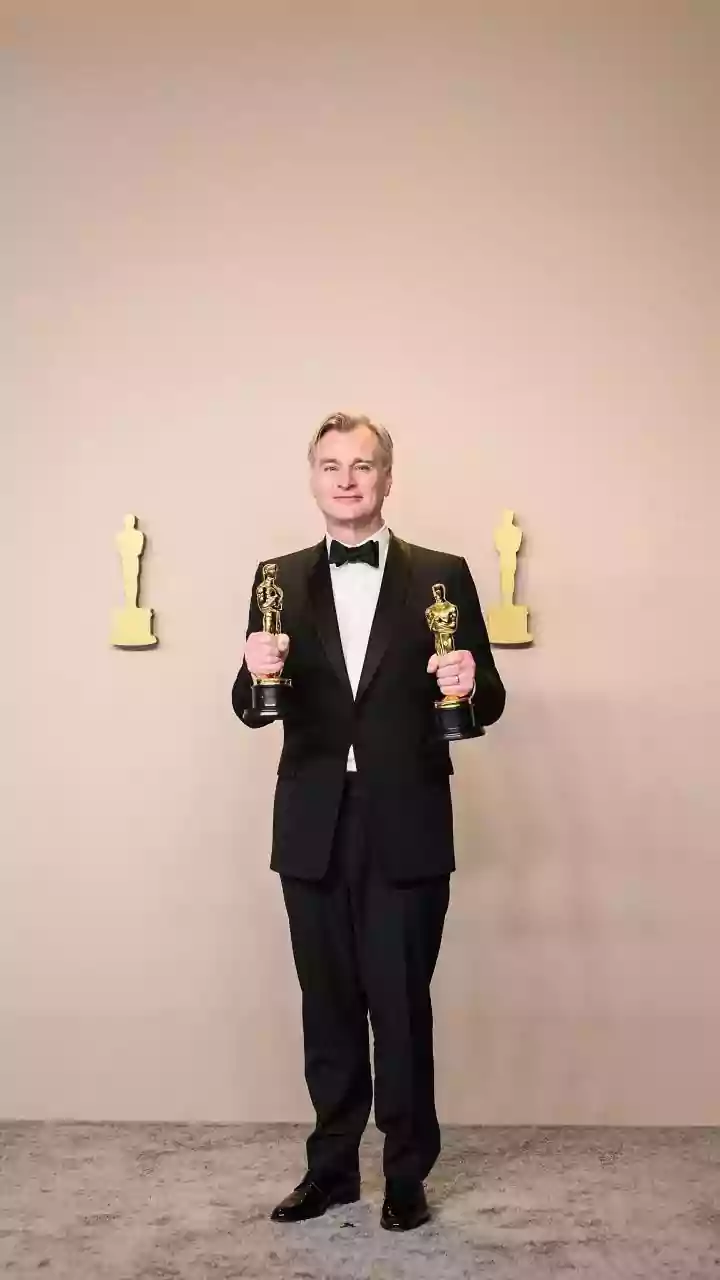
In a recent interview, director Christopher Nolan offered a nuanced but critical take on artificial intelligence in filmmaking. While promoting his new film, 'The Odyssey', he noted that he's never seen a technology face such a swift and "wholesale dismissal"
from the public, particularly from younger audiences. He observed that his own children and their generation are quick to identify and reject what they call "AI slop"—content that feels derivative or lacks a human touch. According to Nolan, this isn't a blanket dismissal of all technology. Instead, he believes it signals a deep appreciation for authenticity and craft, suggesting that the idea of AI completely replacing human creativity is "nonsense".
New Tools, Not New Storytellers
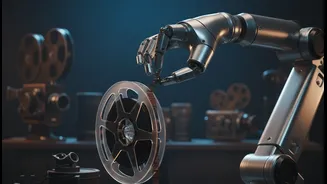
The headline's "new tools" refer to generative AI, which can create or modify text, images, and video. In Hollywood, this could mean anything from generating script ideas to creating entire visual effects sequences. The fear, which was a central issue in the 2023 writers' and actors' strikes, is that these tools could be used to reduce costs by eliminating jobs for writers, artists, and other creatives. However, Nolan's view aligns with that of other industry figures who see AI as a potential assistant rather than a replacement. He has acknowledged that AI could result in some useful "imaging tools" and that technology can be used for tasks like digitally removing wires from a stunt sequence. The key distinction is using technology to support a human-led vision, not to generate the vision itself.
The Enduring Value of Human Authorship
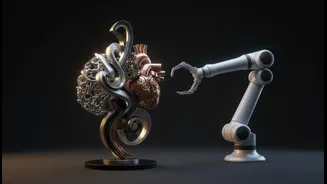
The core of Nolan's argument is the irreplaceable value of human authorship. He believes audiences, especially the younger Gen Z demographic, are signaling a renewed interest in "more tactile, more real forms of storytelling" after years of heavily virtual environments. He points to the success of young, practical-minded filmmakers like Kane Parsons ('Backrooms') and Curry Barker ('Obsession') as evidence that audiences crave authentic, mysterious, and even obscure films that don't feel machine-made. This trend suggests that the artist's unique perspective, their creative intent, and the tangible craft behind a film are becoming more, not less, important in an age of automation. Nolan argues that this desire for authenticity is why AI is hitting the film industry at "exactly the wrong time."
A Director's Perspective
Coming from a director famous for his dedication to practical effects, large-format film, and in-camera wizardry, this perspective is significant. Nolan isn't a Luddite blindly rejecting technology; he's a craftsman who believes in choosing the right tool for the job. He uses technology to serve the story, not to replace the foundational elements of filmmaking. His stance provides a counter-narrative to both the utopian hype from tech companies and the dystopian fears from some creatives. Other directors share his concerns; Guillermo del Toro has been a vocal critic of AI in art, while figures like Martin Scorsese have reportedly used AI tools to assist in storyboarding. Nolan's view occupies a middle ground, seeing a role for technology but insisting it remain subordinate to human creativity.
A Path Forward for Hollywood?
Hollywood remains at a crossroads. Studios are investing in AI partnerships, hoping to streamline production and cut costs, which could lead to significant changes in roles like visual effects and animation. Yet, as Nolan points out, the very audience they need to attract seems skeptical of the output. This creates a tension between the business of Hollywood and the art of cinema. Nolan's vision of a future that mixes new tools with human authorship offers a potential resolution. It suggests that studios could leverage AI for efficiency in specific tasks while doubling down on investment in the writers, directors, and artists who provide the unique vision and creative spark that audiences crave. The debate is no longer just about whether AI can be used, but how it should be used to preserve artistic integrity.