



The Cardio Power of Cycling
Cycling is a classic cardiovascular workout for a reason. Whether you're on a stationary bike or exploring outdoor trails, the rhythmic motion of pedalling is highly effective at raising your heart rate and improving circulation. A moderate cycling session
can easily push your heart rate into the 50-70% of its maximum range, which is the target zone for improving cardiovascular endurance and burning fat. This sustained aerobic effort strengthens the heart muscle, making it more efficient at pumping blood throughout the body. Over time, regular cyclists often see a decrease in their resting heart rate, a key indicator of improved heart health. The intensity is also highly scalable; you can go for a leisurely ride or push into high-intensity intervals, making it a versatile tool for anyone's fitness arsenal.
The Gentle Strength of Tai Chi
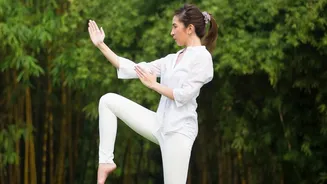
Often described as "meditation in motion," Tai Chi is renowned for its slow, deliberate movements, focus on deep breathing, and mental concentration. While it might not look like a traditional heart-pumping workout, research shows it provides significant cardiovascular benefits. Studies have found that regular practice can be as effective as moderate-intensity running in improving some measures of cardiorespiratory fitness and reducing resting heart rate. Though generally a low-impact activity, Tai Chi's intensity can vary. Some styles, especially those involving deeper stances and quicker transitions, can elevate it to a moderate aerobic workout, comparable to a brisk walk. Its true power lies in its holistic approach, combining physical activity with stress-reducing mindfulness, which also positively impacts heart health.
Heart Rate: A Tale of Two Intensities
The headline holds true: for the average person, a typical cycling session will elevate the heart rate more significantly and consistently than a typical Tai Chi class. Cycling is designed for aerobic output, while Tai Chi's primary goals are often balance, flexibility, and mindfulness. However, this doesn't tell the whole story. The exercise intensity of Tai Chi can vary greatly depending on the style and duration, ranging from a light 3 Metabolic Equivalents (METs) to a more moderate 6 METs. In some pilot studies, experienced practitioners performing certain forms have shown maximum heart rates similar to those seen in jogging. In contrast, a moderate cycling effort typically falls in the 55% to 70% range of an individual’s maximum heart rate. So, while cycling is the more reliable choice for a high-intensity cardio blast, a vigorous Tai Chi session should not be underestimated.
Beyond the Heartbeat: A Holistic View
Focusing solely on heart rate misses the broader wellness picture. Cycling is excellent for building lower body strength and endurance but can be hard on the joints for some. Tai Chi, on the other hand, is a low-impact exercise that is famously gentle on the body, making it accessible to almost everyone, including older adults or those recovering from injury. Its benefits for balance, flexibility, and fall prevention are well-documented. Furthermore, Tai Chi's emphasis on mindfulness and controlled breathing is a powerful tool for stress reduction, which is a crucial component of long-term cardiovascular health. Some studies have even shown Tai Chi to be more effective than traditional aerobic exercise in lowering blood pressure among people with prehypertension.
The Best of Both Worlds
Instead of viewing cycling and Tai Chi as competitors, it's more useful to see them as complementary practices. Your choice depends entirely on your goals for the day. If you want to push your cardio limits and build stamina, a bike ride is a fantastic choice. If you're looking to reduce stress, improve your balance, and engage in a mindful, full-body workout, Tai Chi is ideal. For a well-rounded fitness regimen, you don't have to choose one over the other. Combining the high-intensity cardio of cycling with the restorative, strengthening, and mindful practice of Tai Chi could offer the most comprehensive benefits for both your body and mind, creating a sustainable and enjoyable path to long-term health.