





The classic Indian holiday itinerary is getting a major rewrite. Forget the usual crowded hotspots; a significant new travel report reveals that more than half of Indian travellers are planning to explore unconventional destinations in 2027.
The Rise of the Hidden Gem
For years,
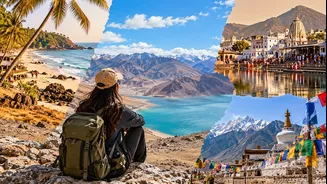
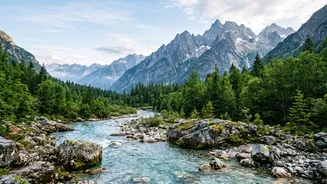
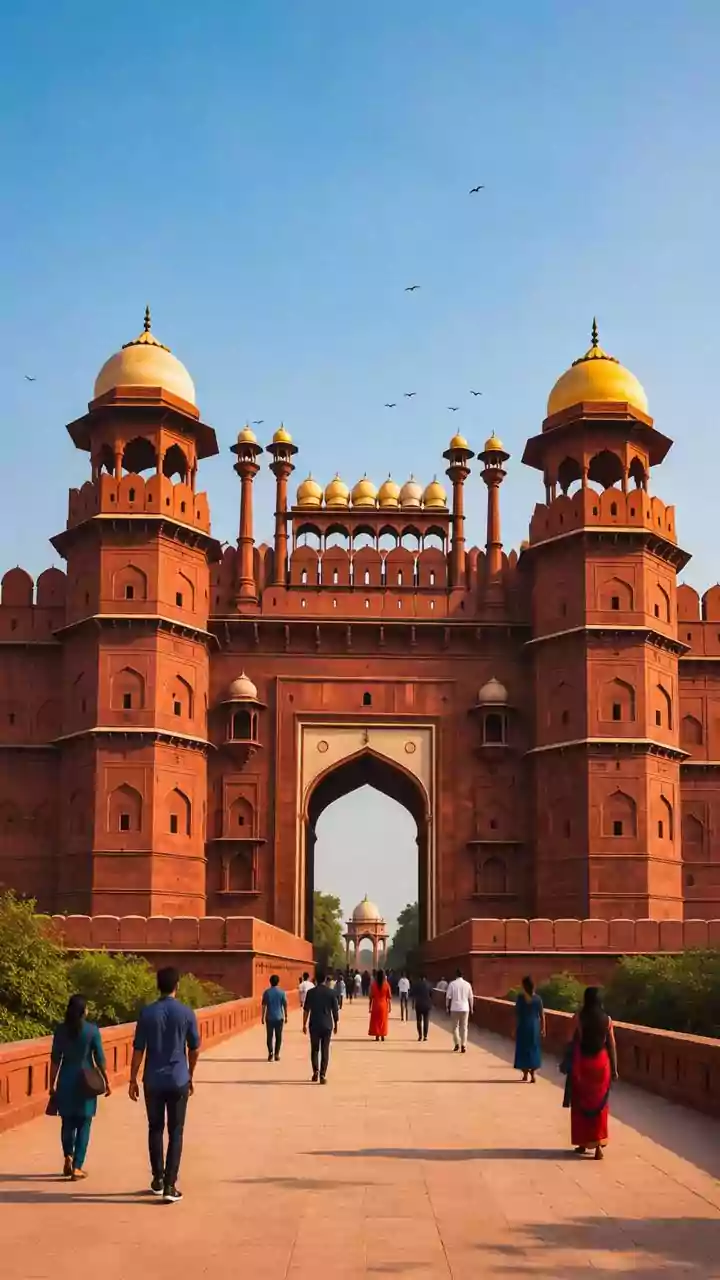
travel plans often revolved around a familiar list of destinations. But that's changing fast. According to the '2027 Asia Travel Pulse' report from digital travel platform Agoda, a remarkable 55% of Indian travellers are likely to visit a lesser-known destination next year. This figure is not just a minor shift; it positions Indians as the most adventurous travellers in Asia, with the regional average for seeking offbeat locations standing at just 36%. The findings, based on a survey of over 3,300 people across 11 Asian markets, signal a clear move away from the fatigue of over-tourism and towards more meaningful journeys. Instead of fighting for a photo at a packed monument, travellers are choosing serenity, authenticity, and the thrill of discovery.
What's Driving This Shift?
The desire to escape the crowds is a major factor, but the trend goes deeper. Indian travellers are becoming more intentional with their plans, seeking unique experiences that resonate on a personal level. The Agoda report highlights that for many, the 'why' of travel is now as important as the 'where'. Two major motivations stand out: adventure and spirituality. An impressive 42% of Indian travellers identify outdoor activities as a primary reason to travel, placing India among the top in Asia for adventure-led trips. Furthermore, 14% cite spiritual journeys as their main driver, a figure that is more than three times the Asian average. This search for meaning is reflected in booking trends, with destinations known for their cultural or spiritual significance seeing a massive surge in interest.
India's New Travel Wishlist
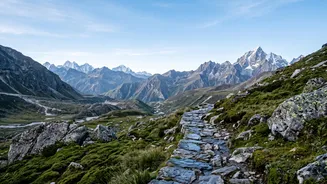
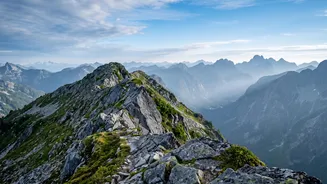
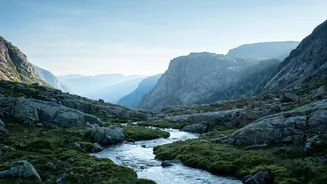
So, what does an 'offbeat' destination look like? It's not about being difficult to reach, but about offering a more genuine experience away from commercialised tourism. Think of towns rich in culture, serene natural landscapes, and places that allow for a deeper connection with the local way of life. Agoda's search data provides concrete examples of this trend in action. The town of Pushkar in Rajasthan, famous for its vibrant Holi celebrations and spiritual atmosphere, saw a 195% jump in accommodation searches. Similarly, Dharamshala, a gateway to the Himalayas, and Leh, the capital of Ladakh, have seen search interest grow by 154% and 143% respectively. These locations perfectly capture the blend of adventure, culture, and tranquility that modern Indian travellers are looking for.
More Than Just a Weekend Trip
This new approach to travel also affects how long people stay. The era of the rushed weekend getaway may be giving way to more immersive holidays. The report found that Indian travellers are increasingly opting for longer trips, with 26% planning to take holidays lasting between eight and twelve days in 2027. This is significantly higher than the Asian average of 15% and suggests a desire to slow down and truly absorb a destination rather than just ticking it off a list. By spending more time in one place, travellers can explore beyond the main attractions, support smaller local businesses, and create more lasting memories—all of which are core tenets of the offbeat travel philosophy.