



A Continental Comeback Story
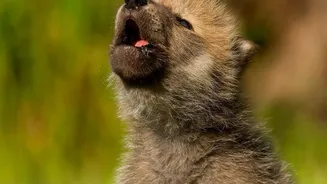
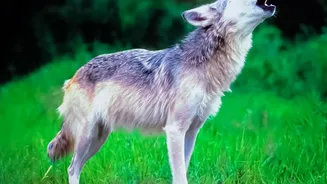
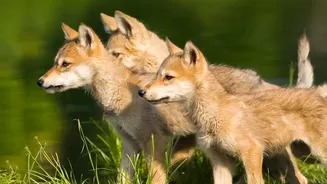
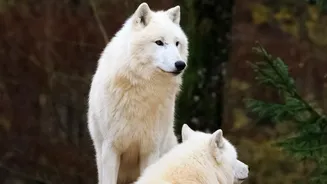
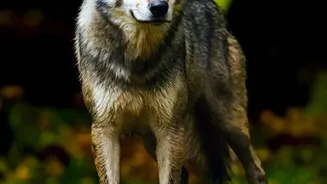
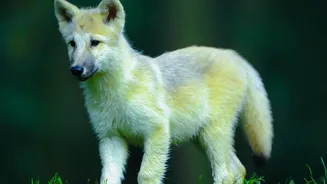
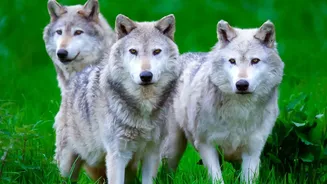
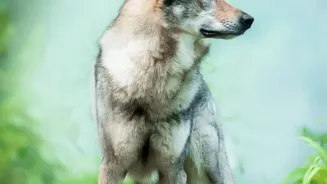
Not long ago, seeing a wolf in Western Europe was the stuff of legend. Today, it’s a resurgent reality. Thanks to legal protections and changing land use, wolf populations are expanding across the continent. Recent estimates suggest there are now over
21,500 wolves in Europe, a significant increase over the past decade. This is not a story of reintroduction projects, but of natural recolonisation. Wolves from stronghold populations in countries like Italy and Poland are dispersing, crossing borders and highways to reclaim ancestral territories in Germany, France, and beyond. Germany, which had just one wolf pack in the year 2000, now has over 200. This conservation success story is celebrated by many as a sign of nature’s resilience in a human-dominated landscape.
An Uneasy Coexistence
The return of the wolf is not without friction. For rural communities, particularly livestock farmers, the predator’s comeback presents a genuine threat. Increased attacks on sheep, goats, and even horses have sparked heated debates from the Alps to the Pyrenees. This conflict has made the wolf a symbol of the divide between urban conservation ideals and rural economic realities. European Union countries spend millions annually compensating farmers for livestock losses, but many argue that this is not enough. They call for better management strategies, including more flexibility in controlling wolf populations in areas where they pose a danger. Finding a balance between protecting a recovering species and safeguarding livelihoods is the central challenge facing many European nations today.
From Pest to Prize
Amidst the conflict, an innovative solution is gaining traction: wildlife tourism. Entrepreneurs and conservation groups are turning the wolf's presence into a sustainable economic driver for the very communities feeling the pressure of their return. In regions like Spain's Asturias and Italy's Apennine Mountains, a niche industry is growing around wolf-watching expeditions. These tours bring valuable tourist revenue into remote areas, supporting local guides, family-run hotels, and restaurants. The idea is simple but powerful: by placing a tangible economic value on a living wolf, tourism creates a financial incentive for conservation and coexistence. It offers an alternative to traditional rural economies and helps diversify income in areas facing depopulation.
The Wolf-Watching Experience
So, what is it like to go looking for wolves? It’s an exercise in patience and a lesson in ecology. Tours are led by expert trackers who know the pack’s habits and territory. Days often start before dawn, searching for tracks in the snow or mud, listening for howls, and scanning hillsides with binoculars. A sighting is never guaranteed; these animals are famously elusive. But for many, the thrill is in the chase and the knowledge that something truly wild is just out of sight. Accommodations can range from rustic mountain cabins to cozy guesthouses, all contributing to an authentic and immersive nature experience. The cost of these trips often directly supports local conservation efforts, funding monitoring projects and helping to build a more sustainable future for both wolves and people.