





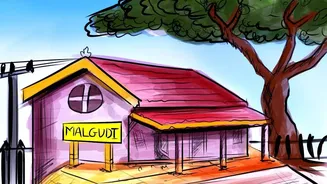

More Than a Fresh Coat of Paint
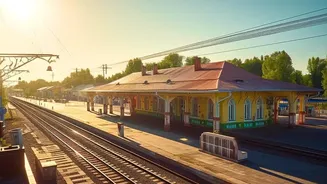
Across the country, railway stations are undergoing a significant transformation that goes far beyond routine maintenance. Indian Railways is spearheading an initiative to infuse stations with local culture and heritage, turning them into welcoming public
spaces that tell a story. Instead of drab walls, passengers are now greeted by large-scale murals, intricate traditional paintings, and evocative vintage photographs. This effort aims to make stations more than just places to catch a train; they are becoming destinations in their own right, offering a glimpse into the heart of the region they serve. The goal is to create an environment that is not only cleaner and more modern but also deeply connected to India's rich artistic and historical tapestry, enhancing the overall travel experience for millions of daily commuters.
A Canvas for Local Identity
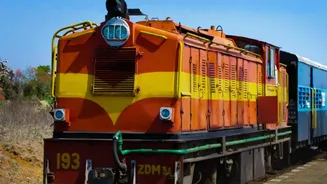
The beauty of this initiative lies in its celebration of regional diversity. The artwork is not uniform but is instead tailored to each location's unique cultural identity. For example, Madhubani station in Bihar has been covered with traditional Mithila paintings, turning the entire structure into a massive canvas for local artists. Similarly, Nagpur station features vibrant Warli paintings, while stations in Rajasthan like Jodhpur showcase the intricate Phad art form, which depicts stories of local deities on cloth. This approach has revived and provided a prominent platform for dying art forms. In some cases, even the trains themselves, like the Bihar Sampark Kranti Express, have been decorated with regional art, becoming moving galleries of cultural pride. The designs are often inspired by local architecture, history, and folklore, ensuring that each station offers a distinct and authentic welcome.
The Amrit Bharat Station Scheme
This artistic and cultural push is a key component of the wider Amrit Bharat Station Scheme, launched in December 2022 to redevelop over 1,300 stations across India. The scheme's vision is to modernize railway infrastructure while preserving and promoting local heritage. Instead of a one-size-fits-all approach, each station's redevelopment is guided by a master plan that considers its specific needs and cultural context. The aim is to transform stations into 'city centres' that integrate smoothly with their urban surroundings. Designs for new station buildings are explicitly inspired by local culture and architecture; for instance, the redeveloped Ayodhya Dham station's design is inspired by temple architecture, while Ahmedabad station draws inspiration from the Modhera Sun Temple. This ensures that while stations become more modern with improved amenities like better waiting areas, Wi-Fi, and accessibility features, they also strengthen their connection to the local community.
A Platform for Artisans and History
Beyond beautification, the initiative provides a vital economic and cultural platform. The 'One Station One Product' (OSOP) scheme, an integral part of this vision, provides dedicated kiosks for local artisans to sell their products directly to a massive audience of railway passengers. As of early 2026, over 2,000 stations featured OSOP outlets, benefiting more than 1.3 lakh local artisans and producers. This promotes the 'Vocal for Local' initiative and provides a sustainable livelihood for many. In addition to local crafts, vintage photographs are being used to connect passengers with the station's own history. Displaying old images of the station, its construction, and the trains that passed through gives commuters a powerful sense of connection to the past, reminding them that they are part of a long and storied railway legacy.
Transforming the Passenger Journey
The cumulative effect of these efforts is a fundamental change in the passenger experience. What was once a tedious wait for a train can now become an opportunity for cultural immersion and historical discovery. The initiative has also shown to have a positive impact on cleanliness and public behaviour; people are less likely to deface or litter a space that is beautifully decorated and culturally significant. By making stations more attractive, engaging, and representative of their region, Indian Railways is fostering a greater sense of public ownership and pride. These redeveloped stations are no longer just functional infrastructure but are becoming landmarks that reflect the soul of their cities and towns, making every journey a little more memorable.