







An Explosion in Demand
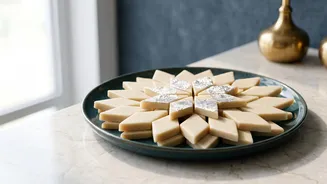
Major Indian festivals like Diwali and Holi are cultural cornerstones, marked by family gatherings and the generous sharing of traditional sweets, known as 'mithai.' This custom creates a massive, sudden spike in demand for key ingredients. Milk, ghee
(clarified butter), and khoya (also called mawa), a milk product made by slowly thickening milk until it solidifies, are the building blocks of most beloved Indian desserts like barfi, peda, and gulab jamun. Legitimate suppliers often struggle to keep up with this seasonal surge. This gap between supply and demand creates a lucrative opportunity for dishonest producers to flood the market with cheap, and often dangerous, counterfeit products.
The Prime Targets: Milk, Ghee, and Khoya
These three ingredients are targeted for a reason. Khoya, for instance, requires a large volume of milk and a long cooking time to produce, making it expensive. To cut costs and increase volume, unscrupulous sellers mix it with much cheaper fillers. Common adulterants for khoya include starch, blotting paper, and even synthetic milk made from urea and detergent. Similarly, pure ghee, prized for its flavor and aroma, is frequently diluted with less expensive hydrogenated vegetable oils (vanaspati) or even animal fats. Milk itself is often the first victim in the supply chain, commonly diluted with water. But in more dangerous schemes, it is bulked up with substances like detergent to create foam, urea to mimic protein content, and preservatives like formalin to extend its shelf life.
An Unsavory Recipe of Adulterants
The list of substances found in adulterated festive foods is alarming. To make sweets look more appealing, some producers use non-permitted industrial dyes like metanil yellow and rhodamine B, which are toxic. Edible silver foil, or 'vark,' used to decorate sweets is sometimes replaced with cheaper and hazardous aluminum foil. To give products a whiter appearance, chemicals like sodium hydrosulfite have been found. Paneer, a type of fresh cheese, has been discovered to contain detergent. These additions aren't just deceptive; they pose significant health threats, turning celebratory treats into a source of potential harm.
The Real and Present Health Risks
Consuming these adulterated products can lead to a range of health issues, from immediate problems like food poisoning, indigestion, and stomach disorders to severe long-term consequences. The industrial dyes and chemicals used can be neurotoxic and carcinogenic, with chronic consumption linked to an increased risk of cancer and damage to the liver and kidneys. Formalin, used as a preservative, is a known carcinogen and can cause asthma attacks. For vulnerable populations, such as children, the elderly, and pregnant women, the risks are even greater.
The Official Crackdown
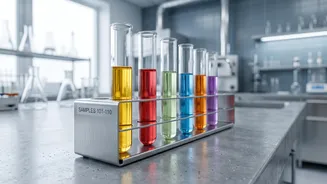
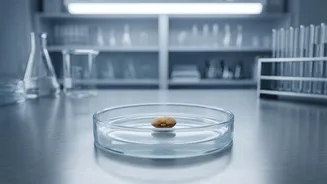
In response to this recurring threat, food safety authorities in India, led by the Food Safety and Standards Authority of India (FSSAI), ramp up their vigilance every year before major festivals. These efforts involve intensified inspections, raids on manufacturing units and sweet shops, and the collection of samples for laboratory testing. In recent years, these drives have resulted in the seizure and destruction of thousands of kilograms of unsafe sweets, paneer, and khoya across the country. Officials often target known production hubs and distribution networks, trying to intercept contaminated products before they reach consumers. This annual scrutiny has become as much a part of the festive season as the preparations themselves.